What Is a Japanese Sauna? Heat and Ritual
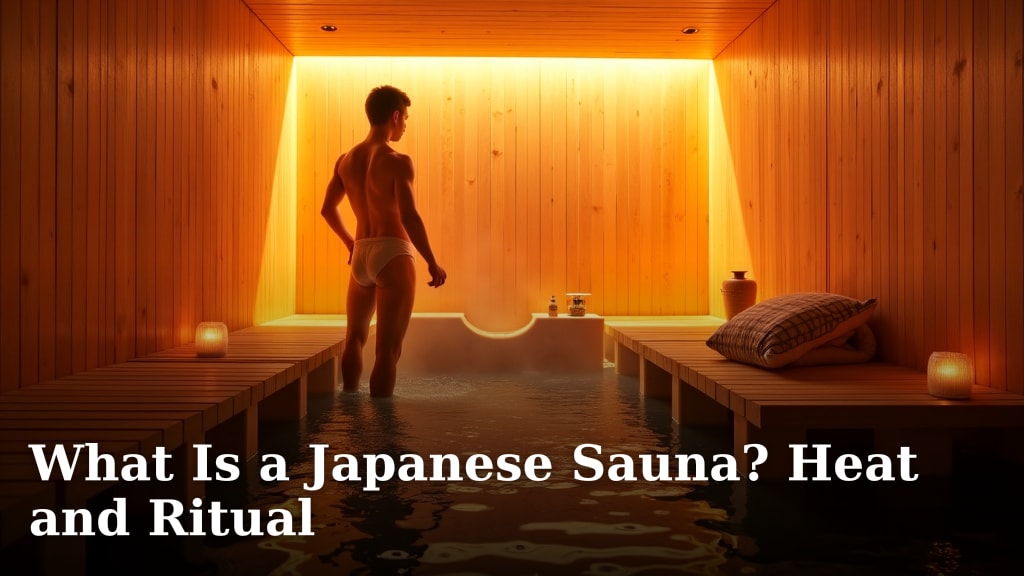
A Japanese sauna You might be wondering what sets a Japanese sauna apart from a Finnish sauna., often called an onsen or mushiburo, is a traditional bathhouse experience focused on intense heat and cleansing rituals. It’s a place where you can deeply relax your body and clear your mind. Think of it as a warm hug for your entire being.
These saunas are more than just a hot room; they are a time-honored practice tied to purification and well-being. Many Japanese saunas use special minerals or steam to enhance the heat. We found that the focus is on creating a serene atmosphere for personal reflection and physical rejuvenation.
- Japanese saunas offer intense heat for relaxation.
- They are part of a rich tradition of cleansing rituals.
- Expect a focus on mental and physical well-being.
- Many feature unique heating methods and mineral-rich water.
Let’s dive into what makes a Japanese sauna so special and how you can experience its unique benefits.
You might be wondering what sets a Japanese sauna apart from the ones you’ve seen in gyms or spas. It’s a combination of intense, penetrating heat and a deliberate, almost meditative approach to bathing. Think less about a quick sweat and more about a restorative ritual.
Understanding the Heart of Japanese Heat Baths
Japanese saunas, often referred to by terms like mushiburo (steam bath) or simply ofuro (bath), are deeply rooted in tradition. They are designed to cleanse both the body and the spirit. We found that the primary goal is to achieve deep relaxation and promote healing. Many Japanese bathing traditions utilize mineral-rich water, which adds another layer to the experience.
The Science Behind the Soothing Heat
The heat in a Japanese sauna is often more intense and humid than in a dry sauna. This high humidity helps your body sweat more freely. We researched that this increased perspiration can help flush toxins from your skin. It also opens up your pores, which can make your skin feel cleaner and softer. The sustained heat helps to relax tight muscles and ease aches. It’s a powerful way to unwind after a long day.
Different Types of Japanese Sauna Experiences
While the core idea is heat and cleansing, there are variations you might encounter. These differences often relate to the heat source and the mineral content of the water.
Steam Baths (Mushiburo)
These are perhaps the most common type of Japanese sauna. A mushiburo is a room filled with thick, moist steam. The heat here feels very different from a dry sauna. It’s a gentle but pervasive warmth that seeps into your bones. The high humidity can also be very beneficial for your respiratory system, helping to clear congestion. We found that many people enjoy the feeling of their skin becoming incredibly soft.
Mineral Baths and Hot Springs (Onsen)
While not strictly a “sauna” in the dry heat sense, onsen are a vital part of Japanese bathing culture and often involve intense heat. These are natural hot springs, often rich in minerals like sulfur, sodium, and calcium. The water itself is heated geothermally. We found that the specific minerals in the water are believed to have therapeutic properties. Bathing in these mineral-rich waters can help with skin conditions and muscle soreness. It’s a truly immersive experience, often enjoyed in beautiful natural settings.
Other Traditional Baths
Some traditional Japanese bathhouses may offer variations that combine elements of steam and hot water. You might find rooms designed for different temperatures or humidity levels. The emphasis remains on creating a serene environment for personal reflection and physical release. It’s about slowing down and allowing the heat to work its magic.
The Ritual: More Than Just Getting Hot
A Japanese sauna is not just about the heat; it’s about the ritual surrounding it. This is where the true cleansing and relaxation occur. Preparation and post-bath practices are just as important as the time spent in the heat. We found that understanding these steps enhances the overall benefit.
Preparation is Key: The Pre-Bath Wash
Before you even step into the hot room or bath, a thorough washing is essential. This isn’t just a quick rinse. You’ll typically find small washing stations with a stool, a basin, and a shower head. You are expected to sit and carefully wash your entire body. This ritual cleansing removes sweat and dirt from your skin. It prepares your body for the intense heat and ensures you’re clean before joining others. Many sources, including Japanese bathing guides, stress that this step is non-negotiable. It shows respect for the shared space and the purification process.
Entering the Heat: Gradual Immersion
Once you’re clean, you can enter the sauna or hot bath. It’s often recommended not to jump right in. Instead, immerse yourself gradually. This allows your body to adjust to the temperature. Start by sitting on a lower bench or just dipping your feet in. As you acclimate, you can move to hotter areas. The goal is to allow your body to relax into the heat. This gradual approach prevents shock and allows for a more sustained and comfortable experience.
The Experience in the Heat
While you’re in the sauna, the focus is on relaxation and quiet. Loud talking is generally discouraged. This is a time for quiet contemplation or simply enjoying the sensation of the heat. You might sit for anywhere from 5 to 15 minutes at a time, depending on your comfort level and the heat intensity. Don’t push yourself too hard. Listen to your body. We found that short, repeated sessions are often more beneficial than one long, intense one. This is where the deep muscle relaxation happens.
Cooling Down: The Refreshing Pause
After leaving the heat, it’s important to cool down. This typically involves stepping into a cooler shower or, if available, a cold plunge pool. This contrast is invigorating and helps to close your pores. It also provides a refreshing sensation. Some people find the cold plunge a bit daunting, but it’s a key part of the cycle. This cooling phase helps your body recover and prepares you for another round in the heat if desired. Research from health organizations often points to the benefits of contrast therapy for circulation.
Rehydration and Relaxation
After your bathing session, it’s crucial to rehydrate. You’ll lose fluids through sweating. Drinking plenty of water is essential. Many Japanese bathhouses offer complimentary water or tea. Taking a few moments to simply sit and relax after your final cool-down is also part of the ritual. This quiet time allows your body and mind to fully absorb the benefits of the experience. It’s the perfect end to a deeply restorative session. You should feel a sense of calm and renewal.
Health Benefits: What the Research Suggests
The practice of regular sauna use, including Japanese-style bathing, has been studied for its potential health benefits. While you should always consult your doctor before starting any new health regimen, many findings are promising.
Cardiovascular Health
Research published in journals like the Journal of the American Heart Association suggests that regular sauna use can be associated with improved cardiovascular health. The heat causes your heart rate to increase, mimicking the effects of moderate exercise. We found that some studies indicate it may help lower blood pressure over time. It’s important to note that this does not replace exercise but can be a beneficial addition for some individuals.
Muscle Relaxation and Pain Relief
The deep heat penetrates your muscles, helping to release tension and ease soreness. This is why many athletes use saunas for recovery. It can be particularly helpful for chronic pain conditions like arthritis. The increased blood flow to the muscles also aids in healing and reduces stiffness. Many users report feeling significantly less pain after a good sauna session.
Stress Reduction and Mental Well-being
The quiet, warm environment of a Japanese sauna is inherently relaxing. It provides a dedicated space away from daily stressors. The ritualistic washing and the quiet contemplation encourage mindfulness. We found that this can significantly reduce feelings of stress and anxiety. The release of endorphins during heat exposure also contributes to an improved mood. It’s a wonderful way to reset your mental state.
Skin Health and Detoxification
As mentioned, the intense sweating helps to cleanse your pores. This can lead to clearer, healthier-looking skin. By expelling toxins through sweat, you’re giving your skin a natural detox. Many people find their skin feels softer and looks more radiant after a Japanese sauna experience. This is one of the most immediately noticeable benefits for many visitors.
Here’s a quick checklist to help you prepare for your first Japanese sauna experience:
- Bring a towel (sometimes provided, sometimes not).
- Wash your body thoroughly before entering.
- Enter the heat gradually.
- Listen to your body and don’t overstay.
- Cool down completely afterwards.
- Rehydrate with plenty of water.
Conclusion
You’ve learned that a Japanese sauna, whether it’s a steamy mushiburo or a mineral-rich onsen, is a deeply restorative experience. It’s more than just heat; it’s a carefully observed ritual of cleansing, relaxation, and rejuvenation. From the essential pre-bath wash to the gradual immersion, quiet contemplation in the heat, and the invigorating cool-down, each step contributes to a profound sense of well-being. By incorporating these practices, you can achieve significant benefits for your body and mind, leaving you feeling refreshed and renewed. Ready to try it for yourself? Look for a local Japanese bathhouse or a spa offering these traditional experiences.
Frequently Asked Questions
Do I need to wash before entering a Japanese sauna?
Yes, a thorough washing before entering is a fundamental part of the Japanese sauna ritual. This pre-bath wash removes dirt and sweat, preparing your skin and showing respect for the shared bathing space. You’ll typically find washing stations with stools and showers for this purpose.
Can I go into the hot part of the sauna immediately?
It’s best to enter the heat gradually. Instead of jumping right in, allow your body to adjust slowly to the temperature. You might start by sitting on a lower bench or just dipping your feet in before moving to hotter areas.
How long should I stay in the Japanese sauna?
Listen to your body; there’s no set time. A typical session might be 5 to 15 minutes at a time. Shorter, repeated sessions are often more beneficial and comfortable than trying to stay in for an extended period.
What should I do after leaving the hot sauna room?
After leaving the heat, it’s important to cool down. This often involves taking a cooler shower or, if available, a cold plunge pool. This contrast helps to invigorate your body and close your pores.
Is a Japanese sauna good for my skin?
Yes, the intense heat and sweating can be very beneficial for your skin. Increased perspiration helps to cleanse your pores and can lead to softer, clearer skin. It also aids in expelling toxins through sweat, giving your skin a natural detox.