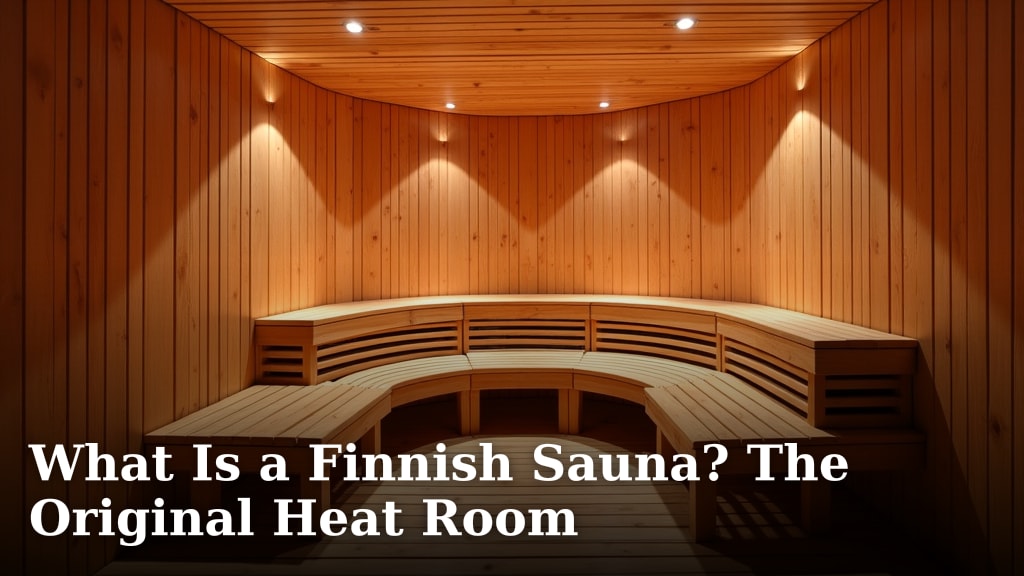
What Is a Finnish Sauna? The Original Heat Room
A Finnish sauna is a traditional heat room used for relaxation and wellness. It’s a small, insulated room with wooden benches heated by a stove with stones. You pour water on the hot stones to create steam, called “löyly.”
This practice is a core part of Finnish culture, enjoyed for centuries. Many people use it for deep relaxation, to help muscles recover, or just as a social ritual. We found that its design focuses on gentle, even heat rather than intense, dry fire.
- A Finnish sauna is a wooden room heated by a stove with rocks.
- You add water to the hot rocks to create humid steam.
- The temperature is typically 160–195°F (70–90°C).
- It’s used for relaxation, socializing, and general well-being.
- It is distinct from infrared saunas or steam rooms.
Below, we walk through exactly what makes this heat room unique. Let’s explore its history, benefits, and how to get the most from a proper sauna session.
The Core Elements of a Finnish Sauna
A Finnish sauna is defined by its materials, heat source, and the ritual of steam. Understanding these parts helps you see why it’s so different from other heat rooms. The goal isn’t to blast you with heat, but to create a specific, enveloping warmth.
It’s All in the Wood and Stove
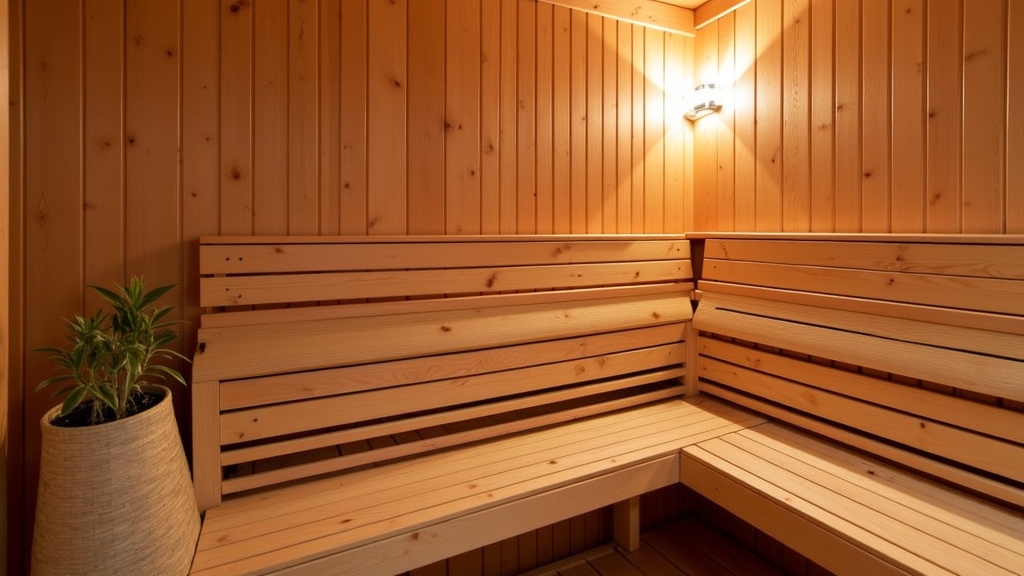
The room itself is almost entirely lined with wood, typically Nordic spruce, pine, or birch. Wood is a natural insulator that feels warm to the touch and doesn’t get scorching hot. The bench system usually has multiple levels. Heat rises, so the higher benches are warmer. You choose your altitude based on your comfort.
The heart of the room is the kiuas, the sauna stove. This isn’t a simple heater. It’s a large metal container packed with special, porous rocks. An electric element or wood fire heats these stones to very high temperatures. This stone mass is what gives the sauna its characteristic, deep, even heat.
The Magic of Löyly (The Steam)
Here’s the defining moment of the experience. You take a ladle of water and pour it directly onto the hot stove rocks. The result is löyly. This isn’t a cloud of scalding steam. It’s a gentle wave of humid heat that suddenly increases the temperature and moisture in the air. That quick “whoomph” of steam is what opens your pores and gives you that profound feeling of relaxation. Controlling the löyly is an art; adding water creates intense heat, while letting it evaporate returns the room to a dry state.
The Temperature Sweet Spot
What does that heat actually feel like? We found that standard Finnish saunas operate between 160°F and 195°F (70°C to 90°C). This is hot, but the low humidity when you aren’t adding water makes it manageable. The range allows for personal preference. Some like it around 170°F for longer sessions, while traditionalists might push toward 200°F for short, intense bouts of heat and löyly.
A Look at the Finnish Sauna’s History
This isn’t a modern wellness trend. It’s an ancient practice woven into daily life. For centuries, the sauna was the warmest, cleanest place in a household. It was used for everything from bathing and birthing to healing wounds and preparing the deceased. It was the original multi-purpose room.
In Finland, it evolved into a social cornerstone. Deals were made, families gathered, and solitude was found in the sauna. Research points to over 3 million saunas in Finland for a population of 5.5 million people (Finnish Sauna Society). That’s roughly one sauna for every two Finns, showing it’s not a luxury but a necessity.
What Are the Benefits of a Traditional Sauna Session?
People use saunas for many reasons, from pure relaxation to specific health goals. While it’s not a medical treatment, science and anecdotal evidence highlight several potential perks. Always listen to your body and consult a doctor if you have health concerns.
Relaxation and Stress Relief
This is the number one reason for most users. The combination of heat and quiet can lower cortisol levels and trigger a deep sense of calm. Many find it helps them sleep better that night. It’s your personal reset button.
Muscle Recovery and Circulation
The heat from a sauna increases blood flow, much like a light workout does. Research published in the journal Mayo Clinic Proceedings suggests sauna bathing may help with post-exercise recovery and ease muscle soreness. The increased circulation can help deliver nutrients to tired muscles.
A Social and Cultural Ritual
In its homeland, the sauna is a social equalizer. Important conversations happen there. Friends and family connect without distractions. It teaches a rhythm of heating and cooling, activity and rest.
How Does a Finnish Sauna Compare to Other Types?
You’ll see infrared saunas and steam rooms advertised too. They’re all heat therapies, but they work very differently. Here’s a straightforward breakdown.
| Feature | Finnish (Traditional) Sauna | Infrared Sauna | Steam Room (Hamam) |
|---|---|---|---|
| Heat Source | Heated stones, with or without water | Infrared panels emitting light waves | Boiling water creating steam |
| Heat Type | Convection (heats the air) | Radiant (heats objects directly) | Humid convection (very wet air) |
| Air Temperature | High: 160-195°F (70-90°C) | Lower: 120-150°F (50-65°C) | Very High: up to 120°F (50°C) |
| Humidity | Variable, controlled by you (löyly) | Low, dry heat | Very High (100% humidity) |
| Key Sensation | Intense dry heat with bursts of steam | Gentle, penetrating warmth | Thick, moist, enveloping heat |
The choice depends on what you prefer. If you want intense heat you can control with steam, the Finnish style is it. If you prefer lower temperatures and direct warmth, infrared might be your match.
How to Experience a Finnish Sauna Properly
There’s a simple etiquette that makes the experience better for you and others. It’s not complicated, but it matters.
- Shower first. Enter with clean skin. This is respectful and helps your pores open.
- Start low. Sit on a lower bench for 5-10 minutes to acclimate.
- Use a towel. Always sit on your towel to protect the wood and for hygiene.
- Manage the heat. Add water for löyly when you want more intensity.
- Cool down properly. After 10-15 minutes, step out. Rinse with cool water, or take a dip in a pool or lake if available.
- Rest and repeat. Let your body cool for at least 10 minutes. Drink water. You can then go back in for another round if you wish.
Most experts recommend 2-3 cycles of heating and cooling in a single session. Never stay in if you feel dizzy or uncomfortably hot.
What Should You Wear?
In a traditional public or home sauna, you wear a towel. That’s it. The dry, clean heat makes clothing unnecessary and even uncomfortable. At home, you might be more relaxed, but the towel remains the standard.
What About Accessories?
A few items can enhance the experience. A sauna hat (made of wool or felt) protects your head from the intense heat. A wooden bucket and ladle are for managing your löyly. Some people bring a timer to keep track of their sessions.
Building Your Own Finnish Sauna at Home
It’s more accessible than ever. You can buy pre-built cabin kits or construct a custom room. The key components remain the same: proper insulation, wood paneling, a quality stove with enough rocks, and ventilation. We found that proper ventilation is critical—it removes stale air and allows fresh oxygen to enter. Don’t skip this step during planning.
Your Finnish Sauna Checklist
Before you book a session or buy a unit, run through this quick list to make sure you’re getting the real deal.
- Does the design feature a proper stone-filled stove (kiuas)?
- Is the room primarily lined with untreated wood?
- Can you, or do the operators, pour water on the stones to create steam (löyly)?
- Is the temperature range typically between 160°F and 195°F?
- Are there multiple bench levels to choose from?
- Is a shower and cooling area available nearby?
A “yes” to most of these points means you’re experiencing an authentic Finnish sauna. It’s a simple, profound ritual that has warmed bodies and spirits for generations. Now you know exactly what to look for.
Conclusion
A Finnish sauna is more than just a hot room. It is a carefully crafted environment of wood, stone, and steam, designed for deep, gentle heat. This traditional practice offers a powerful mix of relaxation, social connection, and wellness benefits that you can control. The key elements—the wooden interior, the stone-filled stove, and the ritual of löyly—set it apart from all other heat therapies.
Now that you know exactly what to look for, you are ready to experience the authentic ritual. Use the checklist we provided to find a genuine Finnish sauna near you or to plan a quality home build. Your first session of proper heating and cooling could be the start of a rewarding habit.
Frequently Asked Questions
How long should a typical Finnish sauna session last?
Most experts recommend staying in the sauna for 10-15 minutes per round. The traditional practice is to complete 2-3 rounds, with a 10-15 minute cool-down period between each. Always listen to your body and leave immediately if you feel dizzy or overheated.
Is it normal to feel lightheaded after my first sauna?
Yes, it’s a common feeling for beginners. The intense heat and subsequent cooling can cause a temporary drop in blood pressure. Always hydrate well before and after, and start with shorter sessions on a lower bench to let your body adapt.
Can I use a Finnish sauna if I have high blood pressure?
You should consult your doctor before using any sauna if you have a heart condition or high blood pressure. The heat places stress on the cardiovascular system. Medical guidance is essential to ensure it is safe for your specific health situation.
What is the most important thing for a home sauna build?
According to our research, proper ventilation is the most critical and often overlooked factor. Good airflow removes stale air, prevents excessive humidity buildup, and ensures a comfortable, oxygen-rich environment for a safe and pleasant experience.
Do I have to be social in a sauna?
No, not at all. While it is a social space for many, it is also a place for quiet solitude. You will often find people reading, meditating, or simply enjoying the silence. The etiquette is respectful, not forced conversation.