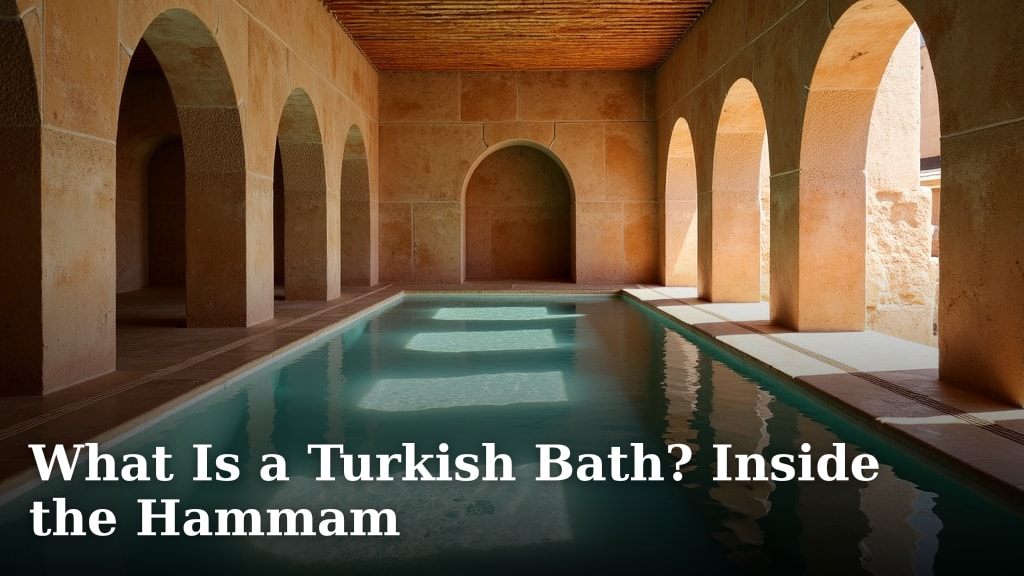
What Is a Turkish Bath? Inside the Hammam
A Turkish bath, also known as a hammam, is a traditional public steam bath originating from the Roman bathhouse. It’s a social and cleansing ritual that involves steam, water, and exfoliation. Think of it as a public spa experience focused on deep cleaning and relaxation.
Historically, hammams were vital community centers where people gathered for hygiene and socializing. They offered a place to wash, relax, and connect with others. Today, visiting a hammam can be a unique way to experience local culture and enjoy a deeply purifying and rejuvenating treatment.
- What is a Turkish bath? It’s a steam bath ritual.
- It involves steam, water, and exfoliation.
- It’s a social and cleansing experience.
- Modern hammams offer a cultural spa day.
Ready to learn more about this ancient tradition? We’ll walk you through what to expect inside a hammam.
Understanding the Turkish Bath Experience: A Journey Through the Hammam
A Turkish bath, or hammam, is much more than just a steam bath. It’s a centuries-old tradition that combines cleansing, relaxation, and social interaction. You’ll find it’s a unique way to connect with a rich cultural history while enjoying a deeply purifying experience.
Think of it as a public spa, but with a much deeper historical root. The hammam has been a cornerstone of daily life for many cultures for hundreds of years. It’s where people went not just to get clean, but to unwind and connect with their community.
The Historical Roots of the Hammam
The concept of the Turkish bath can be traced back to the ancient Roman bathhouses. These were public spaces where Romans gathered for bathing, exercise, and socializing. When the Roman Empire declined, the tradition was adapted and evolved by the Ottoman Turks.
The Ottomans embraced the bathing culture, integrating it into their society. Hammams became important institutions in the Ottoman Empire. They were built in cities and towns, often near mosques. They served as essential public facilities.
Why Were Hammams So Important?
Hygiene was a primary concern, especially in times when private bathing was not common. Hammams provided a clean and accessible place for people to wash thoroughly. It was a place to wash away the stresses of the day.
Beyond just cleaning, hammams served as social hubs. They were places where people from different walks of life could meet. News was exchanged, business was discussed, and friendships were formed. It was a vibrant community space.
The Hammam as a Social Space
For women, hammams often offered a rare opportunity for social freedom. They could gather without the usual restrictions, chat, and bond. For men, it was a place to conduct informal meetings and relax after work.
The architecture of hammams often reflected their importance. They were typically grand buildings, featuring domes, marble interiors, and often separate sections for men and women. This design allowed for both privacy and communal enjoyment.
What to Expect Inside a Modern Hammam
Today’s hammams offer a blend of traditional practices and modern spa comforts. While the core elements remain, you’ll find them adapted for contemporary visitors. The experience is designed to be both authentic and enjoyable for everyone.
When you first arrive, you’ll usually be greeted and shown where to store your belongings. Many hammams provide robes and towels. You’ll likely receive a brief explanation of the process to help you feel comfortable.
The Stages of a Hammam Treatment
The hammam experience typically involves several distinct stages, each contributing to a feeling of deep cleansing and relaxation. It’s a journey that prepares your body and mind.
1. The Warm Room (Sıcaklık)
Your journey begins in a warm room. This is a heated space, usually around 40-45°C (104-113°F), with high humidity. The warmth helps to open your pores and prepare your skin for cleansing. You’ll spend some time here to acclimatize to the heat.
This initial phase is crucial for relaxation. It allows your muscles to loosen up and your breathing to deepen. It’s a gentle transition into the more active parts of the treatment.
2. The Steam Room (Buhar Odası)
Next, you’ll move into a steam room. Here, the heat is even more intense, often combined with pure steam. The steam works to further open your pores and soften your skin. It’s also great for your respiratory system.
Many people find the steam to be incredibly soothing. It can help to clear your head and melt away tension. This is where you’ll really start to feel the purifying effects begin.
3. The Exfoliation (Kese)
After steaming, you’ll be brought to a heated marble slab. Here, a traditional exfoliation mitt, called a “kese,” is used. The attendant will vigorously scrub your skin with the kese.
This process removes dead skin cells, leaving your skin incredibly smooth and revitalized. You might be surprised at how much skin is removed; it’s a sign of how effective this step is. Research shows that regular exfoliation can improve skin texture and radiance (National Center for Biotechnology Information).
You’ll find that the attendant is skilled at this. They know just the right pressure to apply. It’s a thorough scrub that you might not be able to achieve on your own.
4. The Soap Massage (Sabunlama)
Following the exfoliation, you’ll receive a luxurious soap massage. This usually involves a generous amount of olive oil soap lathered up and massaged over your body.
This step is not just about cleaning; it’s also deeply relaxing. The gentle massage and fragrant soap create a calming sensation. It’s a time to simply let go and enjoy the feeling of being pampered.
Some hammams offer specific types of soaps, often with natural ingredients. You might notice the pleasant, subtle scents that add to the sensory experience. It’s a moment of pure indulgence.
5. Rinsing and Relaxation
The final stage involves rinsing off all the soap and any remaining loosened skin. You’ll be doused with warm water, sometimes from traditional copper bowls. After rinsing, you’ll be guided to a cool-down area.
Here, you can relax on comfortable seating, enjoy some traditional Turkish tea or water, and let the benefits of the treatment sink in. It’s a time to rehydrate and gently return to the outside world.
This cool-down period is important. It allows your body temperature to normalize gradually. You’ll feel refreshed, rejuvenated, and incredibly calm after this stage.
What to Bring and How to Prepare
Packing for a hammam is quite simple. Most places provide the essentials, but bringing a few personal items can enhance your comfort. Thinking ahead makes the experience smoother.
- Swimsuit: While some traditional hammams might expect you to go nude, most modern ones allow or even require a swimsuit for modesty.
- Flip-flops: Essential for walking on wet floors and for hygiene.
- Water bottle: Staying hydrated is key, especially in the heat.
- Personal toiletries: If you prefer your own shampoo or conditioner.
- Book or magazine: For relaxing during your cool-down period.
It’s also wise to avoid heavy meals right before your visit. Light snacks are fine, but a full stomach can make the heat less comfortable. Make sure you’re well-hydrated before you even arrive.
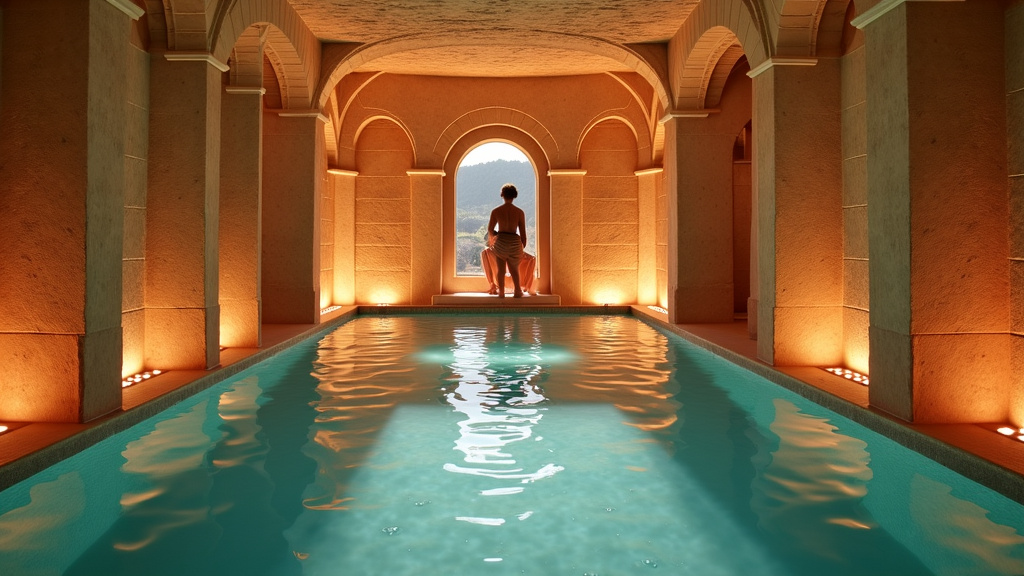
Benefits of a Turkish Bath
The hammam experience offers a range of benefits, both physical and mental. It’s a holistic approach to well-being that has been appreciated for centuries.
Physical Benefits
The heat and steam work wonders for your skin. By opening pores and removing dead skin cells, it can lead to clearer, brighter, and smoother skin. The exfoliation process is particularly effective for this.
Many people find that the heat helps to relieve muscle tension and joint pain. The warm, moist air can be soothing for respiratory conditions. It promotes better circulation as your blood vessels expand in the heat.
Mental and Emotional Benefits
The entire process is designed to induce relaxation. The warm environment, the rhythmic massage, and the quiet atmosphere all contribute to stress reduction. It’s a chance to truly disconnect from daily pressures.
A visit to the hammam can leave you feeling mentally refreshed and invigorated. It’s like hitting a reset button for your mind and body. Many find it improves their mood and overall sense of well-being.
Choosing the Right Hammam
When selecting a hammam, consider what you’re looking for. Are you after a strictly traditional experience or a more modern spa-like setting? Researching local options can help.
Look for reviews that mention cleanliness and the professionalism of the staff. A good hammam will be well-maintained and have knowledgeable attendants. A place that clearly outlines its services and pricing is also a good sign.
Traditional vs. Modern Hammams
Traditional hammams might offer a more rustic and authentic experience. They often adhere closely to historical practices. Modern hammams might incorporate additional spa treatments, such as massages or facials, and offer more luxurious amenities.
You might also find gender-specific hammams or sessions. This can be important for those who prefer a certain level of privacy or a social environment tailored to their gender. Always check the specific policies of the hammam you plan to visit.
A Checklist for Your First Hammam Visit
To make sure you’re ready for your hammam adventure, here’s a quick checklist:
- Book in advance: Especially for popular locations or specific times.
- Arrive on time: Allow yourself ample time to relax before your session.
- Hydrate well: Drink plenty of water before and after.
- Leave valuables at home: Or use the secure lockers provided.
- Be open to the experience: Relax and let the tradition work its magic!
- Ask questions: If you’re unsure about any part of the process.
Conclusion
You’ve now learned about the rich history and restorative practices of the Turkish bath, or hammam. It’s more than just a bath; it’s a cultural journey of cleansing and relaxation. From the historical roots in Roman bathhouses to the modern spa experience, the hammam offers a unique way to care for your body and mind. You can achieve smoother skin, relieve muscle tension, and find deep mental calm.
Ready to experience this tradition yourself? Book your hammam visit to immerse yourself in this ancient ritual and feel rejuvenated.
Frequently Asked Questions
Is a Turkish bath naked or do I wear something?
Most modern hammams allow or even require you to wear a swimsuit for modesty. While some very traditional places might expect nudity, it’s best to check the specific rules of the hammam you plan to visit. Most facilities will provide towels and robes for your use.
How long does a Turkish bath session typically last?
A standard Turkish bath treatment usually takes around 1.5 to 2 hours from start to finish. This includes time spent in the warm and steam rooms, the exfoliation, the soap massage, and the final relaxation period. Arrive a little early to settle in.
Can I do a Turkish bath if I have sensitive skin?
Yes, you can, but it’s wise to prepare. Inform the attendant about your sensitive skin before the exfoliation (kese) process. They can adjust the pressure or use a gentler mitt. Staying well-hydrated before and after is also beneficial for your skin.
What is the difference between a hammam and a sauna?
A hammam uses steam and water for cleansing and relaxation, with a distinct exfoliation process. A sauna typically uses dry heat, often from heated rocks, to induce sweating and relaxation. While both are heat-based, the hammam is a more active, cleansing ritual.
Are Turkish baths only for women?
Historically, hammams often had separate sections or times for men and women to allow for social interaction and privacy. Today, many modern hammams offer gender-specific sessions or facilities. You can choose a hammam that best suits your comfort level and preferences.