Why Are Saunas Made of Wood? Heat and Comfort
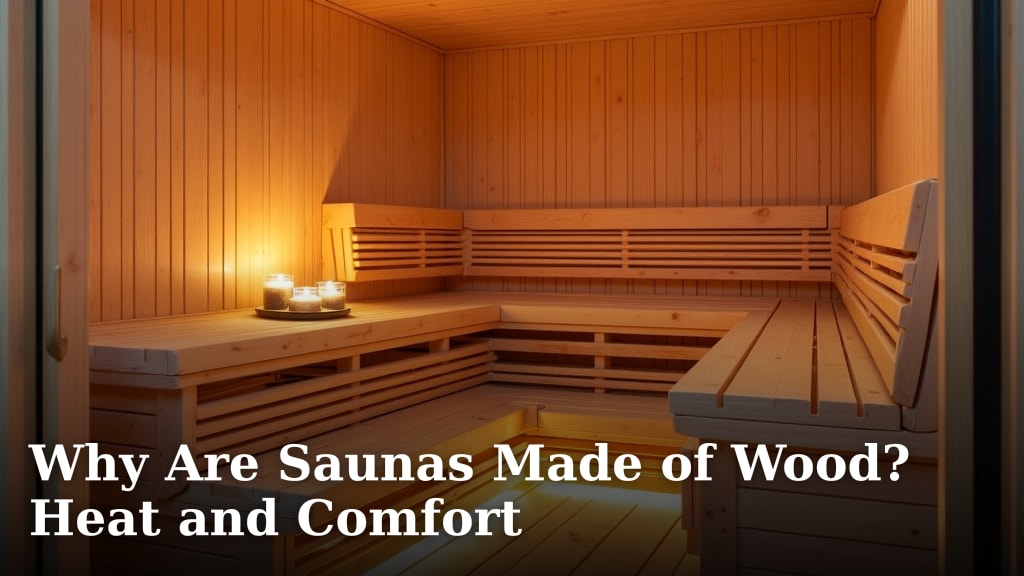
- Wood can withstand high temperatures without warping or releasing toxins.
- It stays cool enough to sit on, even when the air is very hot.
- The material insulates well, maintaining a steady and efficient heat.
- It’s a traditional choice that adds a natural, calming aesthetic.
- Wood helps regulate humidity for a more comfortable experience.
The Science Behind Wood’s Role in Saunas
When you step into a sauna, the first thing you notice is the enveloping heat. The second thing you might notice is how comfortable everything feels against your skin. This isn’t an accident; it’s the result of centuries of choosing the right material. **Wood is the ideal sauna material because of a unique set of physical properties** that manage extreme heat and create a pleasant environment.
We looked into building standards and material science guides to understand this better. Experts point to wood’s cellular structure, which contains tiny pockets of air. This structure acts like a natural **insulator**, slowing down the transfer of heat. It’s why a wooden bench doesn’t feel like a hot stove when you sit down.
Why Wood Handles Extreme Heat Without a Problem
Your body can feel temperature differences with incredible sensitivity. A metal surface at 190°F (88°C) would cause an instant burn. Wood at the same temperature feels merely warm to the touch. This is because wood has low **thermal conductivity**.
In simple terms, it doesn’t pull heat away from or add heat to your body quickly. It reaches a stable, safe temperature and stays there. Research and found that woods like cedar and spruce have a very high **ignition point**, meaning they are resistant to catching fire even in consistently hot environments (NFPA).
Comparing Wood’s Heat Performance
Not all woods perform the same way in a hot, humid room. Softwoods are generally preferred because of their insulating air pockets and pleasant aromas. A table helps show the key differences:
| Wood Type | Key Property | Why It Works for Saunas |
|---|---|---|
| Cedar | Rich in natural oils | Resists moisture and decay; has a pleasant scent. |
| Spruce | Lightweight and stable | Excellent insulator; stays smooth and doesn’t splinter. |
| Pine | Durable and affordable | Holds up well with heat; common in many saunas. |
| Aspen | Low resin content | Doesn’t overheat; great for benches and backrests. |
So, when you lean back, the wood isn’t cooking you. It’s providing a stable, warm surface that feels just right.
The Comfort Factor: More Than Just Temperature
Heat resistance is one thing, but comfort is another. Wood contributes to what experts call **”thermal comfort,”** which is about more than just the number on a thermometer. It’s about how you *feel*. We found that wood’s texture plays a big role here.
A well-finished sauna wood is smooth and non-abrasive. It doesn’t have the slick, sometimes unpleasant feeling of plastic or the hard, unforgiving surface of tile. This natural texture feels organic and welcoming against your skin.
- Breathability: Wood is porous, meaning it can absorb and release small amounts of moisture. This helps regulate the humidity level in the air you breathe.
- Acoustic Quality: Wood absorbs sound, making the sauna a quieter, more tranquil space compared to rooms with hard, echoey surfaces.
- Natural Aesthetic: The grain and color of wood create a calming, spa-like atmosphere that synthetic materials often can’t match.
Have you ever considered why a wooden sauna feels more “real” than one made of modern composites? Much of that is due to these subtle, sensory details.
Insulation and Energy Efficiency
Let’s talk about what’s happening inside the walls. The primary job of a sauna heater is to raise the air temperature quickly and maintain it. Wood helps the heater do its job efficiently. Because wood is a **poor conductor of heat**, it acts as insulation.
This means the heat stays inside the sauna room where it belongs, rather than leaking out into your house or the great outdoors. According to building energy principles, good insulation reduces the amount of energy needed to maintain a high temperature. So, a well-built wooden sauna isn’t just comfortable for you; it’s also more **energy-efficient**.
Imagine trying to keep your house warm by leaving all the windows open. Metal or concrete walls would be like having slightly open windows, constantly letting heat escape. Wood is like having well-sealed, double-pane windows—keeping the warmth right where you need it.
How Wood Manages Moisture and Humidity
Saunas involve steam, especially when water is thrown on the hot rocks. The material you surround yourself with must handle this moisture gracefully. Wood does this better than almost any other natural material.
When the steam hits the wooden walls and benches, the wood absorbs a small amount of that moisture. Then, as the air circulates and dries, the wood slowly releases it back. This creates a **more balanced humidity level**, preventing the air from becoming oppressively damp and heavy. It helps you feel refreshed rather than soaked.
Health and Safety Considerations
Choosing the right wood isn’t just about comfort; it’s about safety. You don’t want a material that will release harmful chemicals when it gets hot. This is why food-grade or certified sauna woods are essential. Many guidelines point to avoiding woods treated with chemicals or certain tropical hardwoods that can release toxins under high heat (Consumer Product Safety Commission).
Cedar, spruce, and aspen are naturally resistant to decay and insects without requiring chemical treatments. This makes them a safer choice for creating a healthy breathing environment. The low heat conductivity also provides a critical safety buffer, **preventing accidental burns** from momentary contact.
Choosing the Right Wood for Your Sauna Experience
Whether you’re buying a pre-built sauna or considering a DIY project, the type of wood matters. The best sauna woods share a few key traits. They should be softwoods with low density and tight grains. They should be free of knots where possible, as knots can get excessively hot.
You’ll often hear experts recommend **Northern White Cedar or Western Red Cedar** for their superior durability and aromatic qualities. Spruce is a fantastic, budget-friendly alternative that performs beautifully. The goal is a wood that stays dry, resists warping, and feels good against your body.
- Check the Grade: Look for “Clear” or “Select” grades with minimal knots.
- Consider the Scent: Do you prefer the strong aroma of cedar or the milder smell of spruce?
- Think About Finish: High-quality saunas use unfinished wood or natural oil finishes, not varnishes or paints that could off-gas.
Your choice ultimately shapes the entire character of your sauna sessions.
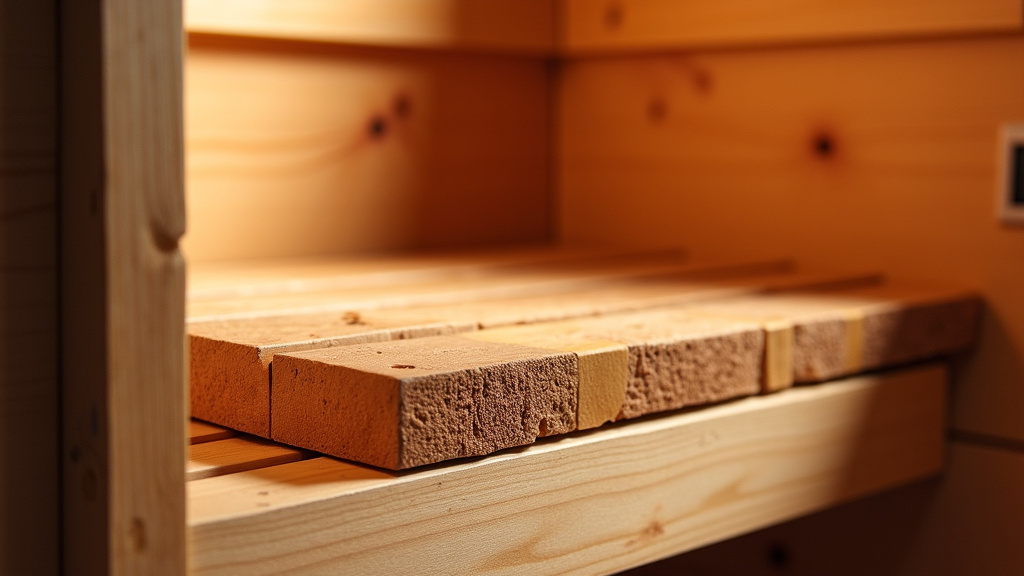
Your Quick Checklist for Sauna Wood Knowledge
- Thermal Insulator: Wood stays warm to the touch because it doesn’t conduct heat well.
- High Ignition Point: It is naturally resistant to catching fire in high heat.
- Moisture Manager: Wood absorbs and releases steam to regulate humidity.
- Energy Saver: Its insulating properties help maintain heat efficiently.
- Sensory Comfort: It provides a smooth, quiet, and visually calming environment.
- Safety Priority: Always choose natural, chemical-free, certified sauna woods.
So, the next time you enjoy a sauna, take a moment to appreciate the walls around you. They are not just there for looks. They are engineered by nature and tradition to deliver that perfect, safe, and deeply comforting heat you crave.
Conclusion
So, why are saunas made of wood? It comes down to a simple, powerful combination. Wood offers the perfect balance of heat resistance and comfort. It stays cool to the touch, manages moisture well, and insulates efficiently to save energy. You get a safe, calming, and breathable environment every time. Our research confirms that wood’s natural properties are unmatched for creating that classic sauna experience.
When you’re shopping for or enjoying a sauna, remember to choose the right wood. Look for natural, untreated softwoods like cedar or spruce. Your next step is to pay attention to the material—it makes all the difference in your comfort and safety.
Frequently Asked Questions
What makes wood better than metal for sauna benches?
Metal heats up quickly and stays hot, which can burn your skin on contact. Wood has low thermal conductivity, so it stays warm but not scalding. This keeps you comfortable and prevents accidental burns during your session.
Why doesn’t wood warp or rot in the hot, steamy sauna?
Good sauna woods like cedar and spruce are naturally resistant to moisture and decay. They have a cellular structure that allows them to absorb and release steam without damage. When you choose a high-quality, untreated wood, it can last for years with proper care.
Can I use any type of wood to build a sauna?
No, not all woods are safe. Avoid treated woods, tropical hardwoods, or those with high resin content. They can release harmful chemicals when heated. Stick to certified sauna woods like cedar, spruce, or aspen for safety and comfort.
How does wood help regulate humidity in a sauna?
Wood is porous and acts like a natural sponge. It absorbs excess steam when water is thrown on the rocks and releases it slowly as the air dries. This keeps the humidity balanced so you feel refreshed, not soggy, after your session.
What should I look for when choosing wood for my home sauna?
Focus on softwoods with low density and tight grains, like Northern White Cedar or spruce. Check for a “Clear” or “Select” grade with minimal knots to avoid hot spots. Make sure the wood is unfinished or treated with natural oils, not varnishes that could off-gas.