
What Is a Sauna Bath? The Old Term, Plainly Put
A sauna bath is a traditional heat therapy where you sit in a heated room to sweat and relax. This simple practice, often called just a sauna, has been used for centuries to ease stress and sore muscles. We found it’s a straightforward way to unwind after a long day.
Many experts say regular sauna use can support better circulation and help your body release toxins. It’s also a social
Understanding the Sauna Bath: A Traditional Heat Therapy
A sauna bath is simply the act of sitting in a heated room to induce sweating and relaxation. Think of it as a warm, quiet retreat for your body. This practice isn’t a modern invention; it’s a centuries-old tradition that people have used for simple, straightforward benefits.
The core idea is gentle heat. The warm air helps you relax, and as your body temperature rises, you begin to sweat. Many find this process incredibly soothing after physical activity or a stressful day.
The “Old Term” Explained
The phrase “sauna bath” might sound a little formal today. However, it’s a direct description of the activity. You are, in essence, taking a bath in dry, radiant heat.
This old-fashioned term highlights the cleansing and therapeutic feeling of the experience. It’s not about water like a shower, but about the deep, penetrating warmth that envelops you.
Why “Bath” in Dry Heat?
The “bath” part refers to the cleansing process of sweating and the overall sense of refreshment afterward. Your skin helps release impurities, and many feel mentally washed over with calm. It’s a bath for both body and mind, delivered through heat.
The Main Types of Saunas You’ll Encounter
Not all saunas are the same. The main difference lies in how they create heat. Understanding the type can help you choose the experience that fits you best.
Most traditional saunas use one of two heat sources. Electric heaters are common in gyms and homes. Wood-burning stoves offer a classic, rustic feel often found in dedicated sauna rooms.
| Sauna Type | Heat Source | Typical Humidity |
|---|---|---|
| Traditional Finnish Sauna | Wood or Electric Heater | Low. Rocks are heated, and water can be thrown on them for bursts of steam. |
| Infrared Sauna | Infrared Panels | Very Low. Heat is directly absorbed by your body, not the air. |
| Steam Room (Related but different) | Boiling Water | Very High. The air is full of steam, and it’s typically tiled. |
Infrared saunas work differently. They use special panels that emit infrared light, which gently warms your body directly. Many users find the lower air temperature more comfortable while still getting a deep sweat.
What You Actually Do in a Sauna Session
A typical sauna session is wonderfully simple. You prepare, you relax, and you cool down. The whole ritual often takes 20-30 minutes.
Start by warming up. Most facilities recommend a quick shower before entering. This removes lotions and helps your pores open up. Bring a towel to sit on for hygiene and comfort.
During the Heat Exposure
Once inside, find a comfortable seat. The heat will feel intense at first. This is normal. The goal is to relax, not endure pain.
Breathe slowly and deeply. Your heart rate will rise slightly, similar to light exercise. Many experts say this gentle stress can be beneficial over time (Mayo Clinic). Focus on your breathing or simply enjoy the quiet.
Listen to your body. Most sessions last from 10 to 20 minutes. If you feel dizzy or overly hot, it’s time to take a break.
The Cool-Down Period
This step is just as important as heating. After your session, step out and allow your body to cool gradually. A cool shower or a dip in a cold plunge pool is traditional.
Rehydrate immediately. You’ve lost fluids through sweat. Drink a glass or two of water. Resting in a cooling area for a few minutes lets your heart rate return to normal and maximizes the relaxing afterglow.
Potential Benefits Backed by Common Research
People have reported feeling better after sauna use for generations. Modern research helps explain some of these common experiences. It’s important to note most studies look at regular, long-term use.
- Muscle Relaxation: The heat helps soothe sore muscles and ease joint stiffness. This is why many athletes use it after a workout.
- Stress Relief: The quiet, warm environment promotes relaxation. Your body releases endorphins, which can improve mood.
- Better Circulation: Your heart rate increases in the heat, which can give your circulation a gentle boost (Cleveland Clinic).
- Improved Sleep: The deep relaxation and subsequent body temperature drop may help some people fall asleep more easily.
Important Note: Saunas are not a cure-all. They are a wellness tool. Benefits vary from person to person. Always consult a doctor if you have heart conditions or other health concerns.
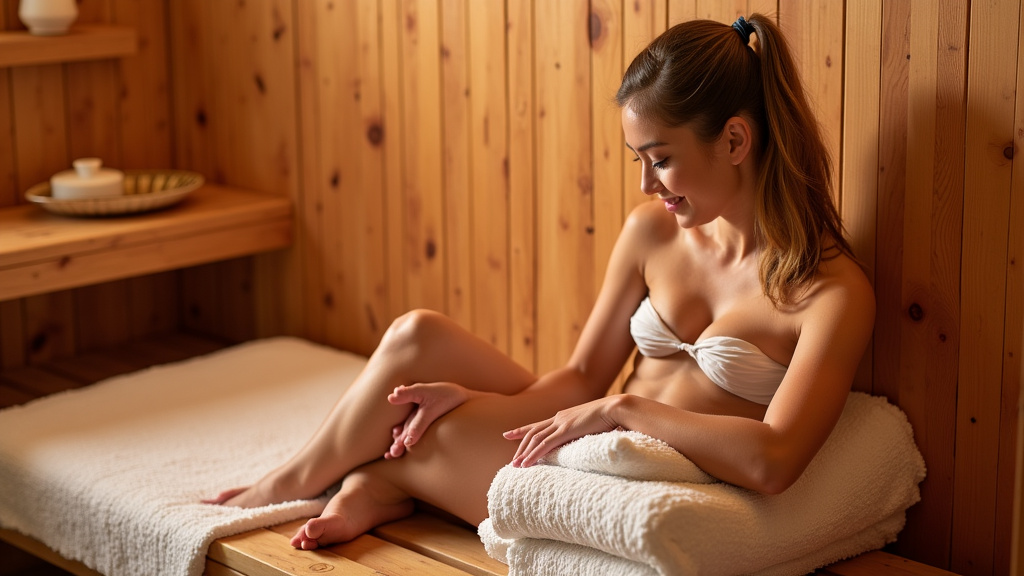
Essential Safety and Etiquette Tips
To enjoy a sauna safely and respectfully, keep a few key rules in mind. These guidelines ensure a positive experience for you and others.
- Hydrate: Drink water before, during (if needed), and after your session.
- Know Your Limits: Start with shorter sessions (5-10 minutes) to see how you react.
- Avoid Alcohol: Never use a sauna if you have been drinking alcohol.
- Sit on a Towel: This is basic hygiene for the benches.
- Keep it Quiet: Saunas are often a place for peaceful relaxation.
Who Should Be Cautious?
While safe for most healthy adults, some should exercise caution. This includes pregnant women, young children, and anyone with unstable heart conditions or low blood pressure.
Always listen to your body. The first sign you need to leave is dizziness or nausea. Step out immediately and cool down. There is no award for enduring discomfort.
Creating a Simple Sauna Routine at Home
You don’t need a fancy spa to experience a sauna. Portable and home units make it accessible. The key is consistency over intensity.
Start small and build up. A routine of 2-3 sessions per week for 15-20 minutes is a great starting point for most people. Consistency matters more than marathon sessions.
Basic Checklist for Your First Home Sessions
Feeling prepared makes the process smoother. Here’s a quick checklist to ensure comfort and safety.
- Have Water Ready: Keep a bottle of water inside with you.
- Set a Timer: Use your phone to track your session length easily.
- Lay Down a Towel: Sit and lie on clean towels to protect the surface.
- Have a Robe Nearby: For after your session and cooling down.
- Plan Your Cool-Down: Know if you’ll use a cool shower or just air.
Think of it as a dedicated break. Even 15 minutes of focused warmth and quiet can reset your day. It’s a simple act of self-care that costs very little but offers a lot of peace.
Conclusion
A sauna bath is a simple, time-tested form of heat therapy. The old term just means taking a cleansing “bath” in dry, radiant warmth. You now know it’s not complicated. You sit in a warm room, sweat, and then cool down. The practice is used to relax your muscles, calm your mind, and enjoy a quiet break. You’ve seen the main types, the basic steps, and the common-sense safety rules. The key is to start gently and listen to your body. Your next step is simple: try a short, 10-minute session. See how your body feels after this classic form of relaxation.
Frequently Asked Questions
How often should I use a sauna?
For most healthy people, a routine of 2 to 3 times per week is a great starting point. Consistency is more important than long sessions. We recommend listening to your body and adjusting based on how you feel and recover.
Is a sauna bath safe for everyone?
While safe for many, certain people should avoid or use caution. This includes pregnant individuals, young children, and those with unstable heart conditions or low blood pressure. Always consult your doctor if you have any health concerns before starting.
Do I need to do anything before my first sauna session?
Yes, a little preparation helps. Hydrate well by drinking water beforehand. Take a quick, warm shower to cleanse your skin. Bring a clean towel to sit on for hygiene and to protect the benches.
What’s the difference between a sauna and a steam room?
The main difference is humidity. A sauna uses dry or slightly humid heat from hot rocks or panels. A steam room uses boiling water to create very hot, wet steam with nearly 100% humidity. The feeling on your skin is quite different.
Can a sauna help with muscle soreness after a workout?
Many people use a sauna after exercise to help relax sore muscles. The gentle heat can ease stiffness and promote relaxation. It’s a common part of recovery routines, but you should cool down and rehydrate properly afterward.