What Are the Parts of a Sauna? A Simple Tour

The main parts of a sauna are the heater (or stove), the control panel, the benches, and the ventilation system. You’ll also find a door and interior wood paneling, which are essential for the traditional sauna experience. These core components work together to create the hot, steamy environment you enjoy.
Understanding these parts helps you choose the right sauna for your home. It also makes basic maintenance easier. We found that knowing what each piece does lets you better control your session and troubleshoot simple issues. Key elements like the heater type determine whether you get a dry heat or can create a lot of steam.
- Heater/Stove: The heart of the sauna that heats the rocks and air.
- Control Panel: Lets you set the temperature and timer for your session.
- Benches: Typically wood, arranged in tiers so you can choose your heat level.
- Ventilation: Ensures proper airflow and heat distribution throughout the room.
- Wood Paneling & Door: Classic cedar or spruce creates the right environment and insulates the space.
Below, we take a simple tour of each component. Let’s break down what to look for and why each part matters for your perfect sweat.
A Simple Tour of Sauna Components
Let’s walk through a sauna room, piece by piece. You’ll see how each part contributes to the heat, comfort, and safety of your session. We found that understanding these elements turns you from a passive user into a confident owner.
The Heater: The Heart of the Heat
The heater, often called the stove, is the most critical part. It generates the warmth that defines the sauna experience. Without it, you’d just be sitting in a wooden closet.
How It Heats the Air and Rocks
Most traditional saunas use an electric heater filled with rocks. When electricity flows through a heating element, the rocks absorb and radiate heat. This creates a **dry, radiant warmth**. The rocks also play a key role when you add water. A splash of water on hot rocks creates steam, known as “löyly” in Finnish. This steam makes the air feel hotter and more humid, which many people find more intense and relaxing (National Institutes of Health – NIAMS, 2023).
Electric vs. Wood-Burning Heaters
Electric heaters are common in home saunas. They are easy to control and install. Wood-burning stoves give an authentic, traditional feel with a distinct scent of burning wood. They require a chimney and more maintenance. We found that most modern home sauna kits come with an electric heater for convenience.
What About Infrared Heaters?
Infrared saunas work differently. They use infrared panels to heat your body directly, not the air. They operate at lower temperatures (around 120-150°F) but create a deep, penetrating warmth. This is a separate technology from traditional “Finnish” saunas. Choosing between them depends on whether you prefer ambient heat or direct radiant heat (Mayo Clinic, 2022).
The Control Panel: Your Command Center
This is where you manage your session. A good control panel is simple and intuitive. It lets you set the desired temperature and session length. Some advanced models allow for different user presets.
Key Settings You’ll Use
You typically adjust two things: **temperature** and **time**. Most home saunas range from 150°F to 190°F (65°C to 88°C). A standard session lasts 15-20 minutes. The panel often includes a **timer** that counts down and may include a cool-down period. We found that clear, readable displays are much safer than complex, confusing ones.
Safety Features to Look For
Many modern control panels include safety features. These can include **overheat protection**, which turns the heater off if it gets too hot. Some have a **child lock** to prevent accidental changes. These features give you peace of mind, especially if you have kids or pets in the house.
The Benches: Where You Sit and Sweat
The benches are more than just seats. They are designed for the sauna environment and your comfort. Their layout is crucial for your experience.
Tiered Design and Heat Zones
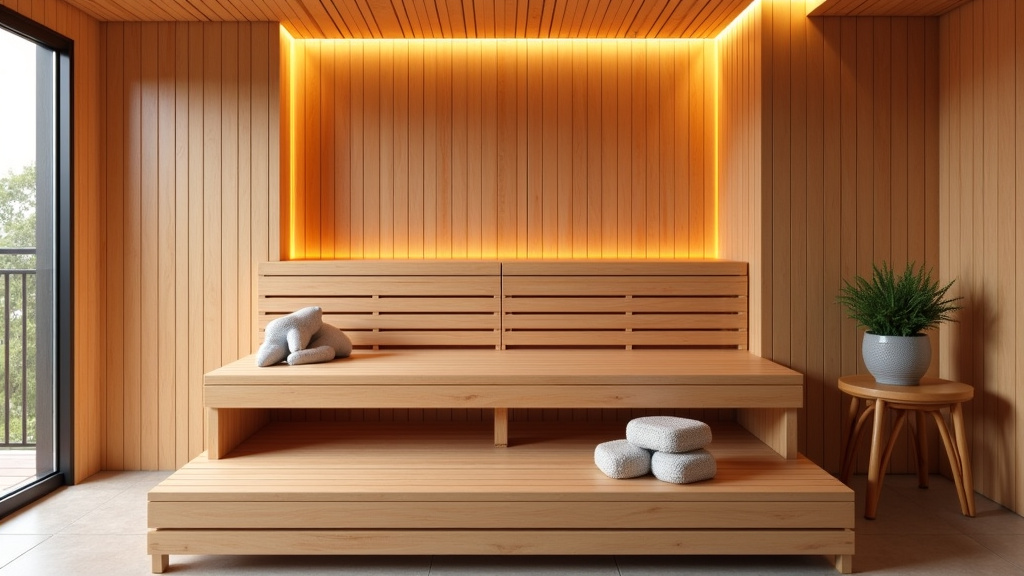
Sauna benches are usually arranged in two or three tiers. The top bench is the hottest, as heat rises. The middle and lower benches are progressively cooler. This allows you to **choose your heat intensity**. You can start low and move up as you warm up, or simply choose the level that feels best for you.
Common Bench Materials
The best sauna benches are made from certain woods. **Western red cedar**, **hemlock**, and **spruce** are top choices. These woods don’t get too hot, have low sap content, and handle humidity well. We found that you should avoid woods with high resin or oils, as they can become uncomfortable when heated. The bench material is a key part of the sauna’s safety and comfort.
The Ventilation System: The Unsung Hero
Without proper ventilation, a sauna would become stuffy and uncomfortable. Fresh air is needed, and stale air must be removed. This system ensures the air you breathe is healthy and the heat is distributed evenly.
How Air Flows in a Sauna
Typically, there is a fresh air intake vent near the heater (often low on the wall) and an exhaust vent higher up, usually near the door. This creates a gentle **convective flow**. Cool air is drawn in, heated by the stove, and then stale air is pushed out. This cycle keeps the air fresh without cooling the room significantly. The Cleveland Clinic notes that good ventilation helps prevent dizziness in hot environments (2021).
Why Ventilation Matters for Health
Proper airflow helps prevent you from feeling lightheaded. It also manages moisture, preventing mold growth in the wood. A well-ventilated sauna feels refreshing, not suffocating. It’s a feature you might not think about, but you would definitely notice its absence.
The Door and Interior Paneling: The Shell
The door and the wood paneling create the sealed environment that traps heat. They are essential for structure and insulation.
The Sauna Door
The door is usually made of tempered glass or wood. Glass doors let you see out, which can make the space feel larger and less claustrophobic. They are often **self-closing** to keep the heat in. Wood doors match the interior and provide excellent insulation. The handle is made from a material that won’t get hot, like wood or a coated metal.
Interior Wood Paneling
The walls and ceiling are covered in tongue-and-groove wood planks. This paneling does more than look nice. It insulates the room, reflects heat, and absorbs and releases moisture. The type of wood affects the look, smell, and heat retention. We found that **cedar paneling** is popular for its natural resistance to decay and its pleasant, mild scent.
The Stones and Water Bucket: For Steam and Atmosphere
These components work with the heater to create the classic sauna steam. They are central to the traditional experience.
The Stones
The stones sit on top of the electric heater or wood stove. They are typically **igneous rocks** like olivine or peridot. Their job is to store and radiate heat evenly. When you pour water on them, they create a burst of steam. We found that the quality of the stones matters—good stones crack less and release heat efficiently.
The Water Bucket and Ladle
You need a bucket to hold water and a ladle to pour it onto the stones. This is how you generate steam and increase humidity. The ladle is usually long-handled to keep your hands away from the hot steam. It’s a simple, satisfying ritual that many sauna lovers enjoy.
Putting It All Together: How the Parts Interact
Every part has a role, but they work as a team. The heater creates the heat. The stones store and release it. The benches let you position yourself in that heat. The control panel lets you manage it. The ventilation and door maintain the environment. Understanding this synergy helps you use your sauna more effectively.
Creating Your Ideal Sauna Session
Start by setting a moderate temperature, around 170°F. Give it time to heat up. Sit on a lower bench first to acclimate. Then move up. Add water to the stones for a burst of steam. Listen to your body and take breaks. This simple routine, powered by the sauna’s parts, leads to a safe and enjoyable sweat.
Sauna Parts at a Glance
| Part | Primary Function | Key Material or Feature |
|---|---|---|
| Heater/Stove | Generates heat (dry or steam) | Electric coil or wood-burning with rocks |
| Control Panel | Adjusts temperature and timer | Simple display with safety shutoff |
| Benches | Provides seating in heat zones | Tiered cedar, hemlock, or spruce |
| Ventilation | Manages airflow and air quality | Intake near heater, exhaust near door |
| Door | Seals the room, provides access | Tempered glass or wood, self-closing |
| Wood Paneling | Insulates, reflects heat, absorbs moisture | Cedar, spruce, or hemlock planks |
| Stones | Stores heat, creates steam | Olivine or igneous rocks |
| Water Bucket/Ladle | Allows you to add water for steam | Wooden or stainless steel |
Maintenance Checklist for Sauna Parts
Knowing the parts helps you keep your sauna in good shape. Here is a simple checklist to review periodically.
- Heater Check: Ensure the heating elements are clean and the rocks are not cracked. Remove debris.
- Bench Inspection: Check for splinters or loose boards. Sand rough spots gently. Ensure the structure is stable.
- Ventilation Clear: Make sure intake and exhaust vents are not blocked by towels or objects.
- Door Seal: Look for gaps in the door seal. A good seal keeps heat in and improves efficiency.
- Paneling Clean: Wipe down walls with a damp cloth. Look for any mold or mildew, which indicates poor ventilation.
- Stones Rinse: Rinse stones with water periodically to remove dust and mineral buildup.
By regularly looking at these parts, you ensure safety and longevity. We found that a quick monthly check prevents most small issues from becoming big problems.
Conclusion
Now you know the key parts of a sauna and how they work together. From the heater that creates the warmth to the benches that offer different heat zones, each component has a specific job. We covered how ventilation keeps air fresh and how paneling and a good door seal trap heat effectively. This knowledge helps you use your sauna safely and make it last longer. Your next step is simple: take a few minutes to check each part on your sauna using the maintenance tips above. A quick monthly inspection ensures every session is comfortable and worry-free.
Frequently Asked Questions
What type of wood is best for sauna benches and why?
Based on our research, woods like Western red cedar, hemlock, or spruce are ideal. They have low sap content, handle humidity well, and don’t get uncomfortably hot. This makes them safer and more durable for the sauna environment.
How often should I check or replace the stones in my sauna?
We recommend inspecting the stones every 3 to 6 months. Look for cracks or excessive dust buildup. If many stones are broken, it’s time to replace them all for even heat distribution and efficient steam production.
Is there a specific kind of water I should use in the bucket?
It’s best to use clean tap water or distilled water. Avoid water with high mineral content, as it can leave scale deposits on the stones. Always start with fresh water for each session for the purest steam.
What should I do if my sauna doesn’t heat up properly?
First, check the control panel settings to ensure it’s on. Then, verify that the heater’s air intake and vents are not blocked. If the issue continues, contact a professional to inspect the heating elements or electrical connections.
How can I prevent mold on the wood paneling?
Ensure the ventilation system is clear and working to allow air to circulate. Wipe down walls with a dry cloth after use to remove excess moisture. Good airflow is the most effective way to prevent mold growth.