Indoor Sauna vs Outdoor Sauna: What Changes
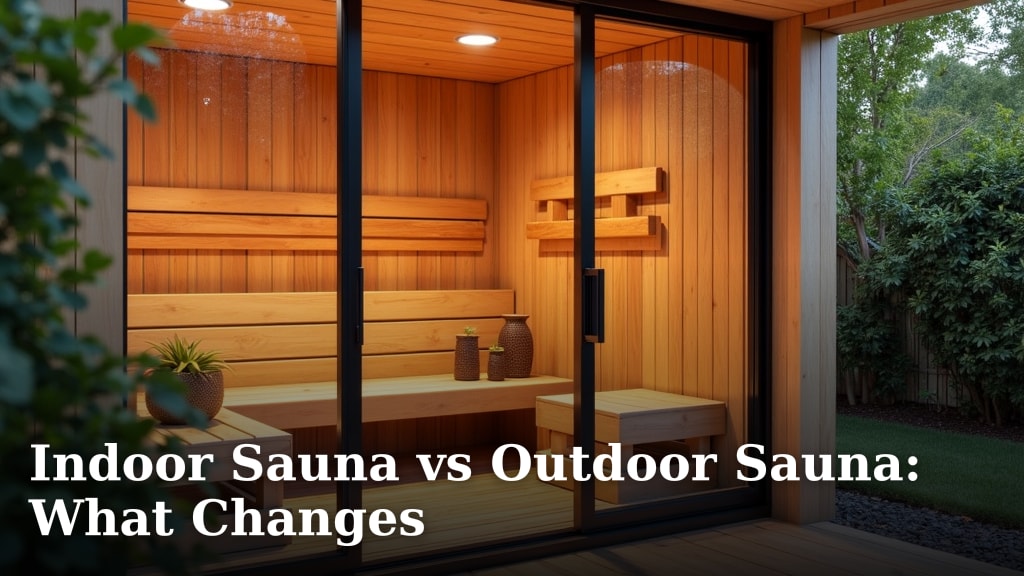
When considering an indoor sauna versus an outdoor sauna, the main differences come down to location, climate control, and installation. An indoor sauna is typically set up within your home, offering convenience and protection from the elements. An outdoor sauna, on the other hand, is placed outside and must be built to withstand weather conditions.
Both types provide the same fundamental benefits of heat therapy and relaxation. However, the choice between them often depends on your available space, budget, and personal preferences for your sauna experience. We found that understanding these key distinctions helps make the right decision for your home. Consider the privacy and accessibility each location offers.
- Location matters most for weather exposure and convenience.
- Indoor saunas offer controlled environments, while outdoor ones face the elements.
- Installation and maintenance can differ based on placement.
- Your decision impacts overall experience and cost.
Let’s walk through exactly what changes when you choose an indoor sauna versus an outdoor one, so you can make the best choice for your relaxation needs.
Understanding Your Sauna’s Placement: Indoor vs. Outdoor Options
Choosing between an indoor and an outdoor sauna is a big decision. It affects how you’ll use it and how it fits into your life. We found that the main differences are about where you put it. This location impacts everything from its setup to how you experience a relaxing soak.
Where Will Your Sauna Live? The Location Question
Think about the convenience and accessibility of your sauna. An indoor sauna lives within your home. This means you can easily slip into it any time, no matter the weather outside. It’s often right off your bathroom or in a dedicated wellness room.
An outdoor sauna, however, sits in your yard. It could be a charming cabin by a garden or a modern unit on a deck. This placement offers a sense of escape. You might feel like you’re at a spa retreat every time you use it. But you’ll need to venture outside to get there, which can be less appealing on a cold or rainy day.
Indoor Saunas: Comfort and Convenience
With an indoor sauna, you get immediate access. Step out of your shower and into your sauna. This seamless transition makes it easy to build a regular habit. You’re also protected from the elements, so a chilly breeze or unexpected rain won’t stop your relaxation plans.
Many people opt for an indoor setup because it’s simpler to install. It often requires less specialized construction. Plus, it’s usually out of sight, which can be a plus for some homeowners. We found that this hidden oasis vibe is a big draw for many.
Outdoor Saunas: A Touch of Nature and Privacy
An outdoor sauna brings a different kind of magic. Imagine stepping out into crisp air before warming up. Or perhaps enjoying a sunset view from your steaming sanctuary. Many find this connection to nature deeply restorative. It feels like a true getaway, even if it’s just in your backyard.
Privacy is another key factor for outdoor saunas. They are often placed in secluded spots, offering a tranquil escape. You might have more freedom to enjoy your sauna experience without worrying about disturbing others in your household. This separation can enhance the feeling of a personal retreat.
Climate Control and Durability: How Weather Affects Your Sauna
The environment your sauna is in plays a huge role. Indoor saunas enjoy a stable atmosphere. Outdoor saunas must be built to withstand the weather. This difference impacts the materials used and the overall maintenance required.
Indoor Sauna Environment: Stable and Protected
Inside your home, your sauna is shielded from rain, snow, sun, and wind. This protected environment means the sauna materials are less likely to degrade quickly. The consistent temperature and humidity inside your house also help maintain the sauna’s structure.
You won’t need to worry about leaves piling up or snow drifts blocking the door. The air quality is also generally better controlled. This stability contributes to a longer lifespan for the sauna itself. We found that less exposure to the elements means fewer potential issues over time.
Outdoor Sauna Environment: Built for the Elements
Outdoor saunas face a tougher challenge. They need to be constructed with materials that can handle moisture, UV rays, and temperature fluctuations. Think of it like building a shed that also gets very hot inside. This often means using treated wood or specialized exterior finishes.
You’ll need to consider how rain and snow will drain away from the unit. Proper ventilation is also critical to prevent mold and mildew. Many experts say that proper weatherproofing is the most important aspect of an outdoor sauna. Research indicates that exposure to moisture can lead to structural damage if not managed correctly (National Association of Home Builders).
Material Considerations for Outdoor Saunas
Because of the exposure, outdoor saunas often use more robust materials. Cedar and redwood are popular choices for their natural resistance to decay and insects. These woods can hold up well to outdoor conditions. Some models might also feature metal roofs or durable flooring.
You might also find outdoor saunas with added insulation to help them heat more efficiently in colder weather. They often have raised foundations to keep them off damp ground. These extra features are designed to ensure the sauna remains a functional and pleasant space, despite its location.
Maintenance and Longevity Outdoors
An outdoor sauna will likely require more frequent maintenance. You might need to re-seal or re-stain the exterior periodically. Clearing debris around the unit is also important. Checking for any signs of water damage or pest infestation is wise.
While they are built tough, the constant exposure can still shorten their lifespan compared to an indoor unit. However, with good care and attention, an outdoor sauna can still provide many years of relaxation. Many find the trade-off worthwhile for the unique experience it offers.
Installation and Space Requirements: Where Do They Fit?
Where you can put your sauna and how it gets installed are significant differences. An indoor sauna needs space within your home. An outdoor sauna needs space outside and may involve more site preparation.
Indoor Installation: Integrating into Your Home
For an indoor sauna, you’re looking at integrating it into your existing home structure. This usually means dedicating a room or a portion of one. You’ll need to consider ventilation, electrical hookups, and ensuring the floor can handle the moisture.
Many pre-fabricated indoor saunas are designed to fit into spaces like a large closet or an unused corner. They often come in panels that are assembled on-site. The key is finding a location that has adequate electrical supply and is reasonably close to a bathroom for easy access.
Space within Your Home
You might use a spare bedroom, a basement corner, or even a large walk-in closet. The important thing is that the space is dry and has proper ventilation. You don’t want to trap moisture, which can lead to mold issues within your home.
We found that people often repurpose underutilized areas. A good rule of thumb is to ensure there’s enough room for the sauna unit itself, plus a little space to move around it for cleaning and maintenance.
Outdoor Installation: Preparing Your Yard
Putting a sauna outside means you need to choose a suitable spot in your yard. This spot needs to be relatively level. You might need to pour a concrete pad, build a gravel base, or install deck supports to ensure a stable foundation.
Electrical work for an outdoor sauna needs to be done to code, often requiring underground wiring. You’ll also want to consider the proximity to your house and any landscaping. Will it be a focal point, or tucked away for privacy?
Site Preparation for Outdoor Saunas
The ground beneath your outdoor sauna is crucial. It needs to be stable and allow for drainage. A common recommendation is a foundation of concrete, pavers, or a well-compacted gravel bed. This keeps the sauna elevated and prevents the base from becoming waterlogged.
You’ll also want to ensure there’s clear access to the sauna. Paths or walkways might need to be created, especially if you have a larger backyard or a sloped terrain. This preparation helps ensure the sauna is safe and accessible year-round.
Utility Connections Outdoors
Connecting electricity to an outdoor sauna needs careful planning. An electrician will ensure the wiring is safe for outdoor use and meets local building codes. Proper grounding is essential to prevent electrical hazards. You might also need a dedicated circuit for the sauna heater.
If you’re considering a wood-burning outdoor sauna, the installation requirements are different. You’ll need to ensure adequate clearance from flammable materials and proper chimney installation. Safety is always the top priority, so consulting with professionals is highly recommended.
Cost and Value: What to Expect
The cost of a sauna can vary significantly. Both indoor and outdoor options have their own cost factors. Generally, outdoor saunas might have a higher upfront cost due to the need for more robust construction and potential site preparation.
| Feature | Indoor Sauna | Outdoor Sauna |
|---|---|---|
| Initial Cost | Can be lower, especially for smaller units integrated into existing spaces. | Often higher due to weatherproofing materials, potential foundation work, and electrical outdoor wiring. |
| Installation Cost | Can be simpler if power is readily available; integration into home may require minor modifications. | May involve site prep (pad, leveling), specialized outdoor electrical work, and potentially more complex assembly. |
| Maintenance Cost | Generally lower; less exposure to wear and tear. | Potentially higher; exterior treatments, checks for weather damage, clearing debris. |
| Energy Efficiency | Often more efficient due to stable internal temperature and less heat loss. | Can be less efficient if not well-insulated; may require more energy to heat in colder climates. |
When looking at the overall value, consider how often you’ll use it and the enjoyment you’ll get. An indoor sauna’s convenience might lead to more frequent use, increasing its perceived value. An outdoor sauna’s unique atmosphere might make each session feel more special.
We found that the best value comes from a sauna that fits your lifestyle and your budget. Thinking about the long-term costs, including potential repairs and energy usage, is also important. Both types can be a fantastic investment in your well-being.
Making Your Decision: A Quick Checklist
To help you decide, consider these points. Which aspects are most important for your ideal sauna experience?
- How important is convenience and immediate access?
- Do you have a suitable space indoors or outdoors?
- What is your budget for the unit and potential installation costs?
- How much maintenance are you willing to do?
- Do you prefer the feeling of being connected to nature or the comfort of being indoors?
- What are the local climate conditions your sauna would need to endure?
Conclusion
You’ve seen how location truly changes your sauna experience. An indoor sauna offers unbeatable convenience and protection from weather, fitting easily into your home. An outdoor sauna provides a unique connection to nature and a sense of escape, but requires more preparation and maintenance. Your choice depends on balancing these factors with your personal preferences, available space, and budget. Consider the long-term enjoyment and ease of use you desire. Your next step is to measure your space and think about which type of sauna environment will best support your relaxation goals.
Frequently Asked Questions
Can an outdoor sauna be used in winter?
Yes, outdoor saunas can absolutely be used in winter. They are built with weather-resistant materials and insulation to perform well in cold conditions. You may need to allow a little extra time for heating up, and you’ll need to ensure safe access to the unit through snow or ice.
Are indoor saunas more energy-efficient?
Generally, indoor saunas tend to be more energy-efficient. They benefit from the stable indoor temperature and are less exposed to heat loss from wind or extreme outdoor temperatures. This means they often require less energy to maintain their operating heat.
Do outdoor saunas require more maintenance than indoor ones?
Yes, outdoor saunas typically require more maintenance. They need regular checks for weather damage, potential pest issues, and may need exterior treatments like sealing or staining. Indoor saunas are protected from the elements, reducing the need for such upkeep.
What kind of foundation is best for an outdoor sauna?
A stable and well-draining foundation is best for an outdoor sauna. Common recommendations include a concrete pad, a leveled gravel bed, or a deck. This elevation keeps the sauna off damp ground, preventing moisture damage and rot.
Can I install an indoor sauna in a bathroom?
Yes, you can often install an indoor sauna in a bathroom, provided there’s enough space and proper ventilation. Ensure your bathroom can handle the electrical requirements and that you have adequate airflow to prevent excess moisture buildup within the room.