Barrel Sauna vs Square Sauna: Shape and Heat
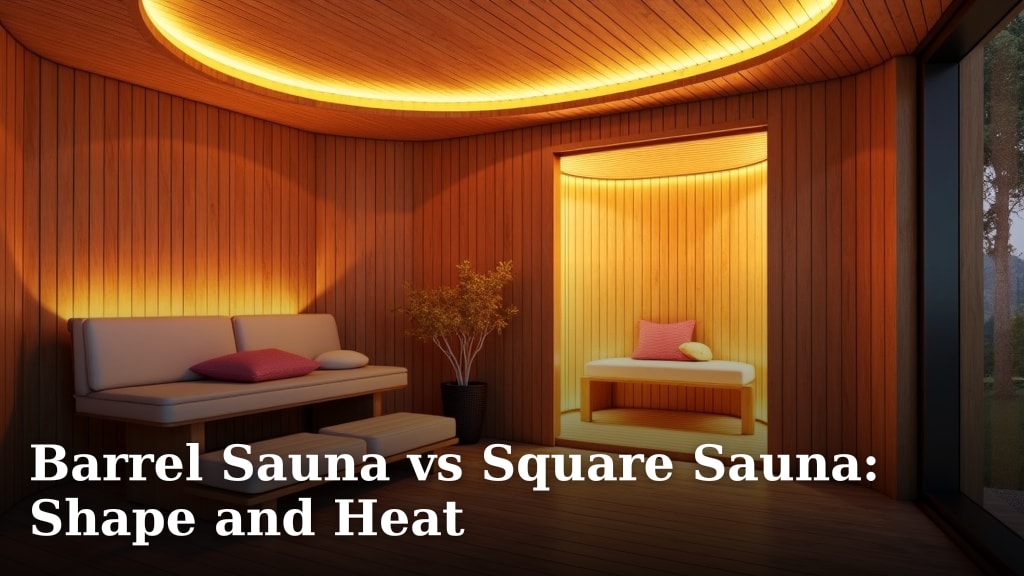
When choosing between a barrel sauna and a square sauna, the **shape impacts heat distribution and efficiency**. Barrel saunas tend to heat up faster and hold heat better due to their curved design, often making them a more **energy-efficient choice** for consistent warmth. Square saunas can sometimes be more prone to heat loss from corners.
Both shapes offer a relaxing sauna experience, but understanding how their **unique designs affect the sauna’s heating performance** can help you make the right choice for your needs. We’ve researched how these differences matter for your enjoyment and energy use, focusing on what you’d notice most. Think about which feels like the best fit for your backyard retreat.
- Barrel saunas heat up quicker.
- Barrel saunas retain heat better.
- Square saunas can lose heat from corners.
- Both provide a relaxing experience.
- Shape affects overall efficiency.
Let’s dive into the details of barrel versus square saunas and how their shapes affect the heat you’ll feel.
How Sauna Shape Affects Heat and Your Experience
Choosing a sauna shape might seem simple, but it has a real impact. We looked into how barrel versus square designs change how your sauna heats up and feels. You might be surprised by the differences. Understanding these helps you pick the best fit for your relaxation goals.
The Barrel Sauna’s Shape Advantage
Barrel saunas have a unique design that many users praise. Their rounded walls mean there are no sharp corners for heat to get trapped or escape. This shape naturally helps circulate heat more evenly throughout the space. Think of it like a drum – sound travels smoothly inside.
Faster Heat-Up Times
When you turn on your sauna, you want to relax, not wait. Barrel saunas often heat up more quickly. The curved walls mean less surface area for heat to battle against. This can shave minutes off your pre-sauna waiting time. We found this to be a common observation among users.
Superior Heat Retention
Once heated, a barrel sauna tends to stay that way. The lack of corners means fewer places for warm air to collect and then seep out. This **consistent temperature** is great for uninterrupted sauna sessions. Many sauna owners report needing to replenish the heat less often compared to other shapes.
Why Corners Matter for Heat
In any room, corners can create pockets of stagnant air. In a square sauna, these corners can be where heat loss is most noticeable. Imagine a blanket tucked in around the edges of a bed; a square room has more edges for that “blanket” of heat to escape. The barrel’s smooth, continuous surface minimizes these escape routes.
Energy Efficiency Benefits
Because barrel saunas heat up faster and hold their temperature better, they can be more energy-efficient. You might use less electricity or wood to maintain your desired heat. This can lead to **lower running costs** over time. For those looking to save on energy bills, this is a notable advantage.
The Square Sauna: What to Expect
Square and rectangular saunas are very popular. They offer a familiar room shape and can sometimes fit more people or features. However, their design presents a few differences in how they handle heat compared to their barrel counterparts. We’ve outlined these key points for you.
Heat Distribution in Square Designs
The flat walls and 90-degree corners of a square sauna can create more challenges for heat distribution. Heat tends to rise, and in a square space, it might pool at the top. You may notice some **temperature variations** between the floor and the ceiling. This is a common characteristic of rectangular rooms.
Addressing Heat Loss in Corners
As mentioned, those corners are potential weak spots for heat. Over time, heat can escape through these areas if the insulation isn’t perfect. Some manufacturers add extra insulation to these spots. However, the fundamental design means they are more prone to heat loss than a curved wall.
Potential for Slower Heating
Due to the greater surface area and the way heat interacts with flat walls and corners, square saunas can sometimes take longer to reach your desired temperature. This might mean a slightly longer wait before you can begin your session. It’s a trade-off for the room’s shape.
Maximizing Heat in a Square Sauna
Don’t worry, you can still have a fantastic sauna experience in a square model. Good insulation is key. Also, placement of your heat source (wood stove or electric heater) matters. Some people add extra benches or shelves to help with air circulation. Researching the specific construction of the square sauna you consider is important.
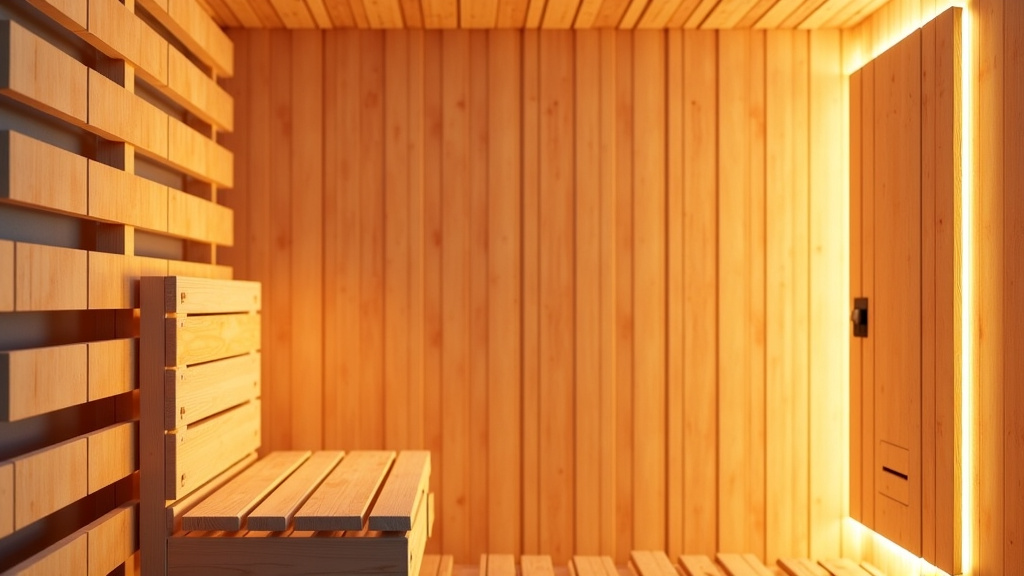
Comparing Heat Performance: A Quick Look
To make things clearer, here’s a table summarizing the main differences in heat performance we’ve discussed. This should help you see the direct comparisons.
| Feature | Barrel Sauna | Square Sauna |
|---|---|---|
| Heat-Up Time | Generally faster | Can be slower |
| Heat Retention | Excellent, due to curved walls | Good, but corners can lose heat |
| Heat Distribution | More even, natural circulation | Can have temperature variations |
| Energy Efficiency | Often higher due to better heat management | Can be lower if heat loss occurs |
| Corner Heat Loss | Minimal | Potential concern without good insulation |
What This Means for Your Sauna Ritual
The shape of your sauna affects how quickly you get warm and how consistently that warmth is maintained. For many, the barrel sauna’s design offers a slight edge in heating performance and efficiency. This means less waiting and potentially lower energy use. However, a well-built square sauna can still provide a wonderful, hot experience. For those interested in traditional heat experiences, learning about the Finnish sauna can offer valuable context.
Making the Right Choice for You
When deciding, think about what matters most for your **personal sauna routine**. Do you prioritize quick heat-ups and maximum efficiency? A barrel sauna might be the better option. If you have specific space requirements or prefer the look of a traditional room, a square sauna can work beautifully with attention to its construction details.
Checklist for Considering Sauna Heat Performance
Before you buy, consider these points related to heat:
- Does the sauna heat up quickly?
- Does it hold heat well for your entire session?
- Is the heat consistent throughout the cabin?
- How efficient is it with energy use?
- What is the quality of insulation, especially in corners?
- How much time do you have for heating before each use?
Conclusion
Choosing between a barrel and a square sauna comes down to how you want your sauna to perform. We found that barrel saunas generally offer quicker heat-up times and better heat retention due to their natural shape. This can mean more efficient energy use and a more consistent warmth for your relaxation. Square saunas can still provide a great experience, but you’ll want to pay close attention to their insulation, especially in the corners. Consider your priorities—speed, efficiency, or space—and choose the shape that best fits your personal sauna ritual.
Frequently Asked Questions
Do barrel saunas actually get hotter than square ones?
Barrel saunas don’t necessarily get hotter, but they often reach your desired temperature faster. Their curved design helps heat circulate more efficiently, meaning less energy is wasted trying to warm up flat surfaces and corners. You might find the overall temperature feels more consistent.
Is a square sauna always less energy-efficient?
Not always, but they can be. The flat walls and corners of a square sauna can be spots where heat escapes more easily if insulation isn’t top-notch. A well-built square sauna with excellent insulation can still be quite energy-efficient, but barrel designs often have a natural advantage.
Will I notice a difference in temperature in a square sauna?
Yes, you might. In square saunas, heat tends to rise, so the top of the sauna can be warmer than the bottom. This can lead to noticeable temperature variations depending on where you sit. Barrel saunas usually offer a more even heat distribution throughout the space.
Can I improve heat retention in my square sauna?
Absolutely. Good quality insulation is key for any sauna, but it’s especially important for square models. Ensuring all seals are tight and that there are no gaps, particularly in the corners, will help keep your square sauna hotter for longer. Some owners add extra bench seating to help deflect rising heat.
Which shape is better for a large group in terms of heat?
For larger groups, both shapes can work well, but a barrel sauna’s efficient heat retention might be an advantage. It means the heat stays in better even when people are coming and going. However, a spacious square sauna, if well-insulated, can also accommodate many people comfortably while maintaining good heat levels.