Cold Shower vs Cold Plunge: Which Setup Suits You? (November 2026)
A cold shower suits you if you want cold water with no extra gear, and a cold plunge suits you if you want full-body immersion. In this cold shower vs cold plunge comparison, space, setup time, and upkeep decide more than hype about either option.
On this page (11 sections)
- Cold shower vs cold plunge: the quick verdict
- The two side by side
- How much space does each option need?
- How much setup and daily effort does each need?
- Which gives you the cold experience you actually want?
- Who should choose a cold shower?
- Who should choose a cold plunge?
- How do you learn how to cold plunge safely?
- How does a plunge compare with an ice bath?
- What about sauna suits and sweat-based routines?
- Which setup suits you: cold shower vs cold plunge?
A cold shower suits you if you want cold water with no extra gear, and a cold plunge suits you if you want full-body immersion. The cold shower vs cold plunge choice comes down to space, setup time, and how much upkeep you will actually do.
A shower uses the space and plumbing you already have. A plunge adds a tub, water, and a cleaning routine, but it holds you still in cold water from shoulders down.
We compared specs, setup steps, and daily care for both routes. Our score weighs specs, features, and buyer feedback against what you are shopping for.
 Best for shower-only aromatherapy
Vicks VapoShower Plus Shower Steamers

Cold shower vs cold plunge: the quick verdict
Pick the shower for zero setup and the plunge for still, full-body immersion. That one split answers most of the cold shower vs cold plunge debate.
A cold shower is fast. You turn the handle, step in, and get out.
There is no tub to fill, no water to treat, and no drain to manage.
A cold plunge asks for more. See how to keep plunge water cold.
You set up the tub, fill it, keep the water cold and clean, and drain it when needed.
In return, you sit or lie in still water without the constant flow of a shower.
If you will skip a routine that takes extra steps, start with the shower. If you want immersion and will keep up with care, a plunge fits better.
Our guide to what's a cold plunge explains the setup in plain terms before you spend money.
The two side by side
The shower wins on space and speed, and the plunge wins on immersion and control. Use the table below to see where each option gives you more.
| Point | Cold shower | Cold plunge tub |
|---|---|---|
| Floor space | None beyond your shower | About 31.5 x 29.5 in for the tub, plus entry room |
| Setup | Turn on the water | Inflate, add support rods, fill with water |
| Immersion | Head, shoulders, torso under flowing water | Most of the body in still water |
| Water care | None | Weekly treatment and periodic drains |
| Storage | None | Drains, deflates, and folds flat |
| Daily time | Seconds to get in | Minutes to get in, plus care time |
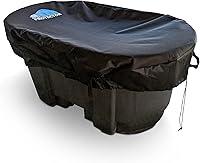
The Bubplay tub holds 105 gallons and supports users up to 6 ft 7 in. That size suits most adults, but it still needs a flat, level surface that can hold the filled weight.
A shower needs no such check. It also needs no cover, no drain hose, and no weekly dose.
The trade is clear. You give up immersion to save space and time, or you give up space and time to gain immersion.
How much space does each option need?
A shower needs no extra space, while a plunge needs a dedicated footprint plus room to step in and out. Measure before you choose, not after delivery.
The Bubplay tub measures 31.5 inches long, 29.5 inches wide, and 31.5 inches high. Treat those as the tub size only.
You also need space around it for entry, exit, and draining.
Place it on a flat, level surface. A bathroom, garage, patio, or backyard can work, but each spot needs drainage nearby for emptying.
A shower avoids all of that. If your bathroom is small, or if you rent and cannot add gear, the shower is the safer fit.
People often ask about a cold plunge in shower setups. A shower can deliver cold water, but it cannot submerge you.
If immersion is the goal, space for a tub is part of the price.
What indoor and outdoor placement changes
Indoor placement keeps water from freezing in winter, which the Bubplay guidance flags for outdoor use when temperatures drop below freezing. A garage or bathroom spot can work if the floor is level and drainage is close.
Outdoor placement suits a patio or backyard on flat ground, but the filled tub is heavy to move and should stay where you place it. The tub folds flat after draining, yet storage still needs a dry spot for the deflated tub, cover, rods, pump, and hose.
How much setup and daily effort does each need?
A shower takes seconds, while a plunge takes setup time on day one and care time every week. Be honest about which one you will keep up.
For the Bubplay tub, you inflate the top ring with the included pump, insert 8 stainless steel support rods, and fill it with water. No tools are needed.
After that, daily effort shifts to water care. A cover helps keep water cleaner between uses and slows temperature change.
A weekly treatment helps keep water clear.
The Bio Ouster treatment is dosed at 1 oz per 100 gallons weekly. On a fresh fill, start with 2 oz per 100 gallons, then dose 1 oz weekly.
A shower-only routine can still feel like a ritual with small add-ons. Vicks VapoShower Plus steamers come in a 12-count pack with eucalyptus, menthol, and camphor scents.
You place a tablet on the shower floor, run warm water, and let it dissolve. That is the whole setup for a shower, compared with filling and treating a tub.
For plunge draining, the Bubplay tub has a bottom drain valve with a hose included. That design lets you empty water without lifting or tipping a 105-gallon tub, which matters more than it sounds after a soak.
The smooth waterproof inner liner also wipes clean after each use. Combined with the cover, that light cleaning plus a weekly dose is the core upkeep loop for this portable setup.
Which gives you the cold experience you actually want?
A shower gives you cold, flowing water on your upper body, while a plunge gives you still water around most of your body. That difference shapes the whole routine.
In a shower, water keeps moving. You can turn, move your arms, and rinse off.
The cold hits the areas the stream reaches, and you control the flow with the handle.
In a plunge, you sit still. The water stays in place, so your whole submerged body shares the same temperature.
Many people prefer that stillness for a post-workout soak.
Temperature control also differs. A shower is limited by your home water supply.
Compare cold and hot showers when choosing a shower routine.
A plunge tub relies on starting water, ice, or a chiller if you own one.
Our page on what temperature is a cold plunge helps you set a target before you buy gear.
If you want a chill and a rinse, a shower may be enough. If you want to sit in cold water and stay put, a plunge is the match.
Who should choose a cold shower?
Choose a cold shower if you value speed, small space, and no upkeep. It fits people who want cold water as part of a normal morning or post-workout routine.
You need no floor space, no storage spot, and no weekly water care. You can start today with the shower you already own.
Apartment renters and people with small bathrooms often land here. So do people who travel often and cannot keep a tub filled and clean at home.
Scented steamers can make a shower-only routine feel more deliberate. The Herbal Zen Cold Kicker pack has 10 steamers in peppermint and eucalyptus.
Vicks VapoShower Plus comes in a 12-count pack and uses eucalyptus, menthol, and camphor. Place a tablet on the shower floor and let warm water dissolve it.
Neither steamer adds immersion. Treat them as a shower add-on, not as a plunge substitute.
Who should choose a cold plunge?
Choose a cold plunge if you want full-body immersion and will keep up with weekly water care. It fits athletes, fitness fans, and people who like a set recovery ritual.
The Bubplay tub is an XL model at 105 gallons. It supports users up to 6 ft 7 in and has a smooth, waterproof inner liner that wipes clean after each soak.
The cover uses a 6-layer insulated construction and a tough 210D outer fabric. It helps keep water cleaner between uses and slows temperature change.
Setup is tool-free. Inflate the top ring, insert the 8 stainless steel support rods, fill with water, and start.
If you plan to plunge often, water care matters. The Bio Ouster 3in1 treatment acts as a cleaner, clarifier, and softener in one bottle.
Dose 1 oz per 100 gallons weekly, then stir or run the pump on high. Wait 15 minutes before plunging again.
How do you learn how to cold plunge safely?
Start with a short, guided routine and build up only if it feels right for you. Informed practice matters more than pushing time or cold.
Our guide on how to cold plunge walks through entry, time, and exit in order. Read it before your first soak, whether you use a shower or a tub.
A shower is a good place to learn the cold sensation. You can step in for a short rinse, breathe, and step out when you want.
A tub asks for more planning. Get in slowly, keep your head above water if you prefer, and use the cover only when the tub is not in use.
Timing also matters. Our post on when to cold plunge covers post-workout use and morning routines.
If you have a heart condition, high blood pressure, or other health concerns, check with a doctor before cold immersion. Cold water is a strong stimulus, and not everyone should use it.
How does a plunge compare with an ice bath?
An ice bath and a cold plunge both use still water, but chiller setups hold temperature more steadily than buckets of ice. Know which water source you will use.
Our ice bath vs cold plunge comparison breaks down chiller tubs, ice-filled tubs, and barrels. It helps you match the setup to your budget and space.
A portable tub like the Bubplay model works with plain water and ice. The insulated cover helps slow warming between uses.
A chiller adds control and repeat use without buying ice each time. Our guide to the best cold plunge chillers covers that step if you want steady temperature.
A shower sits outside both categories. It has no still water and no soak time, so compare it on ease rather than immersion.
What about sauna suits and sweat-based routines?
Sauna suits and sweat routines are a different path from cold water, and they do not replace a cold shower or plunge. Sweating is not the same as cold immersion.
People sometimes pair heat gear with cold routines. That mix can be confusing, so it helps to know what each tool does.
Our article on Do Sauna Suits Work? What the Sweat Really Means explains what sweat does and does not prove.
A companion guide, What Is a Sauna Suit? The Sweat Suit, Demystified, covers how these suits work and who should skip them.
If your goal is cold exposure, focus on the shower or plunge route. If your goal is sweat-based training, treat that as a separate choice with its own safety limits.
Which setup suits you: cold shower vs cold plunge?
Pick a cold shower if you want cold water today with no space, no setup, and no upkeep, and pick a cold plunge if you want full-body immersion and will do weekly care. That rule settles the cold shower vs cold plunge choice for most readers.
Start with the shower if you live in a small space, rent your home, or want a routine you can do within a normal shower.
Choose the Bubplay tub if you have a level spot for a 105-gallon tub, room to step in and out, and time for weekly treatment.
Add the Bio Ouster treatment if you plunge often and want clearer water between full drains. Add shower steamers only if scent is part of the shower ritual you want.
Either path can work. The best one is the routine you can repeat without a fight over space, time, or cleanup.
Frequently asked questions
Is a cold shower or a cold plunge better?
Neither is better for everyone. A cold shower is simpler and needs no space or upkeep, while a cold plunge gives full-body immersion and a still, controlled soak.
Choose the shower for daily ease and the plunge for immersion, then match the choice to your space.
Can you cold plunge in the shower?
You can end a shower with cold water, but that is not full immersion. A shower hits your head, shoulders, and torso while you stand, while a plunge submerges most of your body in still water.
People who want immersion need a tub, barrel, or other soak setup.
How much space does a cold plunge need?
A 105-gallon tub like the Bubplay model measures 31.5 by 29.5 by 31.5 inches and also needs room to get in and out. A shower needs no extra floor space at all.
Measure the full area, including entry space, before you choose a tub.
How often should plunge water be treated?
This Bio Ouster treatment is dosed at 1 oz per 100 gallons once a week, with 2 oz per 100 gallons on a fresh fill. Stir or run the pump on high after dosing, then wait 15 minutes before plunging.
Follow the dose for your tub size.