How to Use FROG Hot Tub Test Strips
Use the FROG test strip made for your hot tub’s water-care system, then follow that strip’s directions for dipping, waiting, and comparing its pads with the chart. Read each indicator separately and use the result to decide what to check or adjust next.
On this page (7 sections)
- Which FROG test strips should you use for a hot tub?
- How do you use FROG test strips?
- What should you do after reading the strip?
- Which supplies can support hot tub water care?
- How can you get clearer strip readings?
- What’s the difference between FROG strips and bacteria strips?
- How should you choose FROG hot tub test strips?
Use the FROG test strip made for your hot tub’s water-care system, then follow that strip’s directions for dipping, waiting, and comparing its pads with the chart. Read each indicator separately and use the result to decide what to check or adjust next.
FROG systems can use different water-care products, so “FROG test strips” doesn’t always mean one strip type fits every setup. Check your system name and the strip package before testing, and keep your hot tub manual nearby for the target ranges.
Which FROG test strips should you use for a hot tub?
Use the FROG strip that matches your system and the readings you need. Check the system name on its parts or instructions, then confirm the strip package names that system or says it measures the indicators your water-care routine requires.
Don’t choose a strip just because it says “hot tub” or “spa.” Some strips check chlorine, while others may be intended for a different sanitizer or water-care setup.
If you’re comparing options, our guide to the best test strips for hot tub water explains how to compare strip types.
The hot tub buying guide covers the equipment and care decisions that shape a tub’s routine. For the full range of test methods, see best hot tub test kits and testers.
How do you use FROG test strips?
Follow the package directions in order, since dip time and color-reading time can vary by strip. A careful test usually means taking a fresh strip with dry hands, dipping it as directed, waiting the stated time, and comparing each pad with its chart.
- Check that the strip type fits your FROG system and that the container is in date.
- Take out one strip and close the container promptly.
- Collect a water sample or dip the strip as its directions specify.
- Hold the strip as directed and wait the stated time.
- Compare each pad with the matching part of the chart under good light.
- Record readings that need follow-up, then retest after any adjustment as directed.
Avoid touching the test pads, wiping them, or guessing at a color between chart values. Moisture, poor lighting, and reading too early or too late can make the result harder to interpret.
What do the FROG strip colors tell you?
Each pad’s color corresponds to a range on the chart printed for that strip. Match each pad to its own indicator and range; don’t assume one color means the same thing across different FROG strip types.
Use the result with the instructions for your water-care system. A strip only tells you about the indicators it measures, so it can’t answer questions about values that aren’t on its chart.
What should you do after reading the strip?
Use the readings to decide whether a water-care adjustment or another test is needed. Check the system instructions and hot tub manual for the right range and next step before adding chemicals.
If a reading is outside the recommended range, follow the product directions for correcting it, then test again as instructed. Don’t add extra sanitizer based on a guess or on a reading from an incompatible strip.
For chlorine or bromine strips, compare options in our guide to best hot tub chlorine test strips. If you’re trying to understand what bacteria-focused strips measure, read how to choose bacteria test strips for a hot tub.
Can you use a chlorine strip with a FROG system?
Only use a chlorine strip if it matches the sanitizer and readings your FROG system uses. A chlorine reading alone may not cover every part of a water-care routine, so check the strip chart and system instructions for any other indicators you need.
If you’re unsure what the system uses, identify its model and consult its instructions before buying test strips. Don’t treat a result from an unrelated strip as a substitute.
Which supplies can support hot tub water care?
A test strip helps you read water indicators, but it doesn’t dispense sanitizer or replace routine care. These related items suit specific parts of hot tub upkeep.
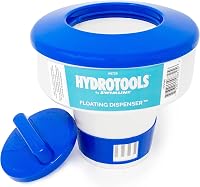
The SWIMLINE dispenser is for tablets, not test strips. Use it only if its format suits your spa and the tablet type is compatible with your system; follow the spa and sanitizer instructions for dosing.
SpaChoice granules are a chlorine sanitizer, so they may suit a chlorine-based routine. Follow the package directions and test the water with a compatible kit before and after treatment as instructed.
The Cover Caddy supports access to the spa by helping lift its cover. It doesn’t test or treat water, but easier cover handling may fit a routine that includes regular checks.
How can you get clearer strip readings?
Use a fresh, properly stored strip and its own chart. Keep the container closed between uses and follow its storage instructions, since moisture or mishandling can affect the pads.
Test in consistent lighting and compare colors at the time stated in the directions. If the result seems unclear, retest with a new strip rather than adjusting water based on a guess.
Don’t rely on a strip past its marked date or one with discolored, damaged, or damp pads. If repeated readings don’t make sense, check your test method and use a compatible kit or contact the system maker for guidance.
What’s the difference between FROG strips and bacteria strips?
FROG strips are chosen for the water-care readings specified for a particular system; bacteria strips are designed for a different kind of check. One type shouldn’t be assumed to do the other’s job.
Read the package carefully to see what each strip measures. Use the method that matches the question you’re trying to answer, and follow its instructions.
How should you choose FROG hot tub test strips?
Choose FROG test strips for a hot tub by matching the strip to your system, checking its chart for the indicators you need, and following its timing instructions. If the strip doesn’t cover a required reading, use a compatible test kit for that value.
Pick a strip if its system and indicator labels match your setup. If you also need to compare sanitizer-specific options, see our guide to hot tub vs jacuzzi terminology for the equipment context, or explore best hot tub steps with handrail and whether inflatable hot tubs can be used indoors when planning the surrounding setup.
Frequently asked questions
Can I use any FROG test strips in a hot tub?
No. Match the strip type to the FROG system and the water-care indicators you need to check.
FROG strips may be made for different systems, so read the package instructions before using one.
If the strip does not measure a value your system requires, use a compatible test kit for that check.
How often should I test hot tub water?
Follow the FROG system instructions and your hot tub manual for a testing schedule. Test again after adding a water-care product or when the water changes in a way that concerns you.
Regular checks help you spot a reading that needs attention before you use the tub.
Can FROG test strips measure bacteria?
A water-care strip reads the indicators printed on its package chart; it does not necessarily detect bacteria. Use a test designed for the specific check you need, and follow its directions.
For more on that distinction, see our guide to bacteria test strips for hot tubs.
What if my test strip colors are hard to read?
Check the strip under good light and compare its pads with the chart at the exact time stated in the instructions. Don’t guess if a color falls between values or the strip is expired, wet, or damaged.
Retest with a fresh strip or use a compatible test kit.