Infrared Sauna Electrical Requirements to Know
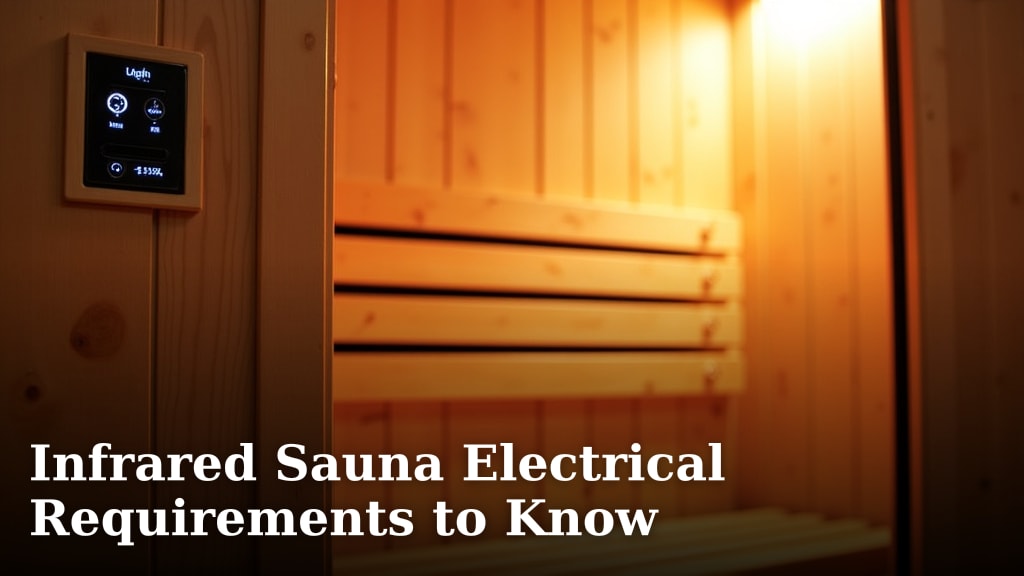
When setting up your infrared sauna, knowing the electrical requirements is key to safe and efficient operation. Most home infrared saunas need a standard 120-volt outlet, but some larger or more powerful models may require a 240-volt dedicated circuit. Always check your sauna’s manual for its specific needs before plugging anything in.
Understanding these power needs helps you prepare your home’s electrical system. It ensures your sauna runs smoothly without overloading circuits or tripping breakers. We found that proper electrical planning prevents common setup headaches and costly electrician visits later on. You want your relaxation time to be trouble-free, right?
- Infrared saunas typically use standard 120V outlets.
- Larger or more powerful models might need 240V.
- Always consult your sauna’s manual for exact specs.
- Proper electrical setup ensures safe and reliable operation.
Let’s walk through the common electrical requirements and what you need to know to get your infrared sauna up and running without any buzzing worries.
You’re excited about your new infrared sauna! It’s going to be a fantastic addition to your home. But before you plug it in, let’s talk about its power needs. Getting the electrical setup right is super important for safety and for making sure your sauna works just the way it should. We’ll break down what you need to know to avoid any surprises.
Understanding Your Infrared Sauna’s Power Needs
This section covers the basics of how your sauna draws power.
Most personal infrared saunas are designed to run on a standard household outlet. This usually means a 120-volt (V) circuit. Think of it like your toaster or your television. It’s a common setup you likely already have in your home. Many smaller to mid-sized saunas fit this requirement perfectly.
However, some larger or more powerful models are different. These might need more electricity to heat up their advanced heating elements. For these, you’ll often see a requirement for a 240V dedicated circuit. This is similar to what an electric dryer or a large oven uses. It means the sauna needs its own special hookup to your home’s electrical panel. This ensures it gets enough power without straining other appliances.
The first step is always to check your sauna’s user manual. It’s the **definitive source** for its specific electrical needs. Don’t guess or assume! The manual will clearly state the voltage and amperage required. It might also tell you if it needs a dedicated circuit. For instance, a small two-person sauna might be fine on a standard 15-amp, 120V outlet. But a larger four-person unit with more heaters might need a 20-amp, 240V dedicated line.
Voltage Explained: 120V vs. 240V
Let’s break down what voltage really means for your sauna.
Voltage is essentially the pressure that pushes electricity through your wires. Your home’s electrical system has different “levels” of this pressure. A 120V circuit is the most common in North American homes. It powers most of your everyday appliances. If your sauna manual says 120V, it’s likely plug-and-play with an existing outlet. You just need to make sure the outlet is properly grounded and in good condition.
A 240V circuit provides twice the electrical pressure. This allows more power to flow to the appliance. This is why larger, more energy-hungry devices often use it. For an infrared sauna, higher voltage means the heaters can get hotter, faster. It can also help the sauna maintain its temperature more consistently, especially in colder rooms. If your sauna requires 240V, you will definitely need an electrician to install a new circuit.
Amperage and Wattage: How Much Power Does It Draw?
Voltage isn’t the only number to consider. You also need to look at amperage and wattage.
Amperage (amps) is the rate of electrical flow. Standard household outlets are usually on 15-amp or 20-amp circuits. The total amperage your sauna needs is listed in its specs. You must ensure the circuit you plug it into can handle that load. For example, plugging a sauna that draws 14 amps into a 15-amp circuit is generally okay, as it leaves a little buffer. However, plugging it into a circuit already heavily used by other appliances is a bad idea.
Wattage is the actual amount of power the sauna uses. It’s calculated by multiplying voltage by amperage (Watts = Volts x Amps). A sauna that draws 14 amps on a 120V circuit uses about 1680 watts (14A x 120V = 1680W). A 240V sauna drawing 20 amps would use much more power (20A x 240V = 4800W). Knowing the wattage helps you understand its energy consumption. It also confirms if your circuit can handle the load. Many manufacturers list both amps and watts in their specifications.
Checking Your Home’s Electrical System
This part is about assessing what you already have.
Before your sauna arrives, take a look at your home’s electrical panel. This is usually a metal box with a door, often in a basement, garage, or utility closet. Inside, you’ll see rows of switches called circuit breakers. Each breaker controls a different circuit in your home.
Find the breakers that are labeled for the areas where you plan to put your sauna. Note the amperage of those circuits (e.g., 15A, 20A). If you’re unsure, it’s best to consult the manual that came with your home’s electrical panel or call an electrician. Many experts recommend not using a sauna on a circuit that already powers many other devices. This helps prevent overloads. For example, don’t plug your 120V sauna into an outlet that also serves your washing machine or a power-hungry vacuum cleaner if they might be used simultaneously.
Dedicated Circuits: What They Are and Why They Matter
Let’s get specific about dedicated circuits.
A dedicated circuit means that particular breaker in your electrical panel only powers one outlet or one appliance. It’s not shared with anything else. Many infrared saunas, especially the 240V models, require a dedicated circuit. This ensures the sauna gets a consistent and sufficient supply of power. It also drastically reduces the risk of tripping a breaker or causing electrical issues.
If your sauna requires a dedicated circuit, you’ll need an electrician. They will install a new breaker in your panel and run a new wire specifically to the location of your sauna. This is a standard procedure for many home appliances. It’s an important safety step for high-demand items like saunas.
Outlet Types and Grounding
The plug itself is important too.
Most 120V infrared saunas will plug into a standard three-prong outlet. This outlet has two vertical slots and a round hole underneath. The third, round hole is for the ground wire. Grounding is a critical safety feature. It provides a path for electricity to flow safely to the ground in case of a fault, preventing electrical shock. Ensure the outlet you use is properly grounded.
For 240V saunas, the outlet will look different. It often has more slots or blades, arranged in a specific pattern to match the 240V plug. There are several types of 240V outlets, so again, the sauna manual and an electrician are your best resources to ensure the correct one is installed.
Many sources, including the Occupational Safety and Health Administration (OSHA), stress the importance of proper electrical grounding for all appliances. They consider it a fundamental safety requirement. If your outlet doesn’t have a ground hole or looks old and damaged, it’s time to get it checked by a professional electrician.
Installation and Safety Considerations
This is where we talk about making sure everything is done right.
When your sauna arrives, check the plug and the cord. Do they look sturdy and well-made? Are there any signs of damage? If anything seems off, stop and contact the manufacturer. Never try to use a damaged cord or plug.
Your sauna’s manual will likely have specific installation instructions. These often cover how to position the sauna relative to the outlet. Some saunas have cords that come out of the back or sides. You’ll want to make sure the cord isn’t pinched or kinked. It should have a little slack. Avoid running the cord under rugs or where it could be stepped on.
If you are installing a 240V sauna, or even if you are just confirming your 120V setup, it is highly recommended to have a qualified electrician perform the final hookup. They can verify that the circuit is correctly sized, that the wiring is appropriate, and that the outlet is installed safely. Many home warranty providers also require professional installation for certain appliances to remain valid. It’s peace of mind for a relatively small investment.
When to Call an Electrician: Red Flags
Don’t try to tackle this if you see these signs.
Here are a few **warning signs** that indicate you absolutely need an electrician:
- Your sauna requires a 240V circuit.
- Your electrical panel is old or frequently trips breakers.
- You don’t have an available circuit, or all existing circuits are heavily loaded.
- Your outlets are old, don’t have a ground pin, or appear damaged.
- You are unsure about any part of the electrical requirements or installation process.
Extension Cords: Use With Extreme Caution (or Not at All)
This is a common temptation, but often a bad idea.
Can you use an extension cord with your infrared sauna? The general rule from electrical safety experts, like those at the National Electrical Code (NEC), is to avoid using extension cords for permanent installations or high-draw appliances whenever possible. Infrared saunas, even 120V models, draw a significant amount of power. Using an underrated or poor-quality extension cord can lead to overheating, fire hazards, and reduced performance for your sauna.
If you absolutely must use an extension cord, it needs to be the **correct type**. It must be rated for the amperage and voltage your sauna requires. It should also be heavy-duty and specifically designed for outdoor or indoor use as needed. However, most manufacturers strongly advise against using extension cords. They can void your sauna’s warranty. It’s always best to have an outlet installed directly by an electrician where you need it. This is the safest and most reliable solution.
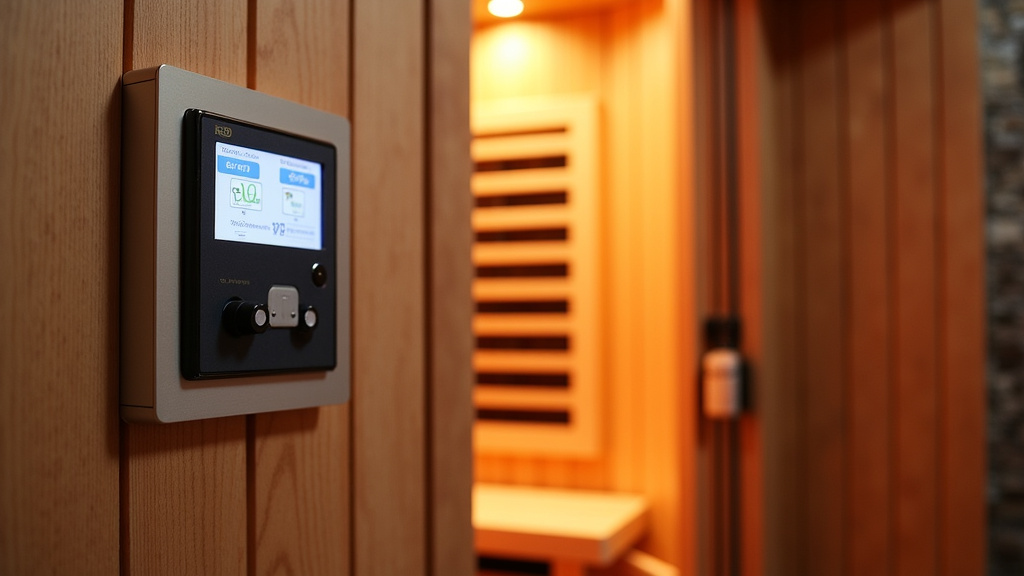
A Quick Checklist for Your Sauna’s Electrical Needs
Before you plug in, run through this quick check.
- Check Your Manual: Always start by reading your infrared sauna’s user manual for specific voltage, amperage, and circuit requirements.
- Identify Your Outlets: Locate the nearest suitable outlets. Note their voltage (120V or 240V) and amperage rating.
- Assess Circuit Load: Determine if the circuit powering the outlet is dedicated or shared. Avoid circuits that already run many other devices.
- Grounding Check: Ensure the outlet has a proper ground connection (the third, round hole on a 120V outlet).
- Consider a Professional: If your sauna needs 240V, a dedicated circuit, or if you have any doubts, schedule an appointment with a qualified electrician.
- Inspect Cords and Plugs: Visually check the sauna’s power cord and plug for any signs of damage before plugging it in.
Conclusion
Getting your infrared sauna’s electrical setup right is the foundation for safe and enjoyable relaxation. You’ve learned that most models use standard 120V outlets, while larger units may need a 240V dedicated circuit. Always rely on your sauna’s manual for exact specifications. Understanding voltage, amperage, and the importance of proper grounding prevents headaches and ensures your sauna performs reliably. Before you plug in, take the time to check your home’s electrical system. If you have any doubts or if your sauna requires a 240V connection, don’t hesitate to call a qualified electrician. This step guarantees peace of mind and protects your investment.
Frequently Asked Questions
Can I plug a 120V infrared sauna into any standard outlet?
For most 120V infrared saunas, you can use a standard outlet, but ensure it’s properly grounded and in good condition. It’s best to avoid using a circuit that already powers many other high-demand appliances to prevent overloading.
What is a dedicated circuit and why does my sauna need one?
A dedicated circuit means a single circuit breaker in your electrical panel exclusively powers your sauna. This provides a consistent power supply and greatly reduces the risk of tripping breakers or causing electrical issues, especially for 240V models.
How do I know if my home’s electrical panel can handle a sauna?
You’ll need to check your electrical panel for the amperage of the circuit that will power your sauna. If your panel is old, frequently trips breakers, or if you’re unsure, it’s wise to consult an electrician.
Is it safe to use an extension cord with my infrared sauna?
Experts generally advise against using extension cords for infrared saunas, as they can be a fire hazard and may void your warranty. If absolutely necessary, use a heavy-duty cord rated for your sauna’s specific voltage and amperage requirements.
When should I definitely call an electrician for my sauna setup?
You should call an electrician if your sauna requires a 240V connection, if your home’s electrical system is outdated, if you lack an available circuit, or if you’re uncertain about any aspect of the installation process.