What Makes a Sauna Infrared? Panels, Not Rocks
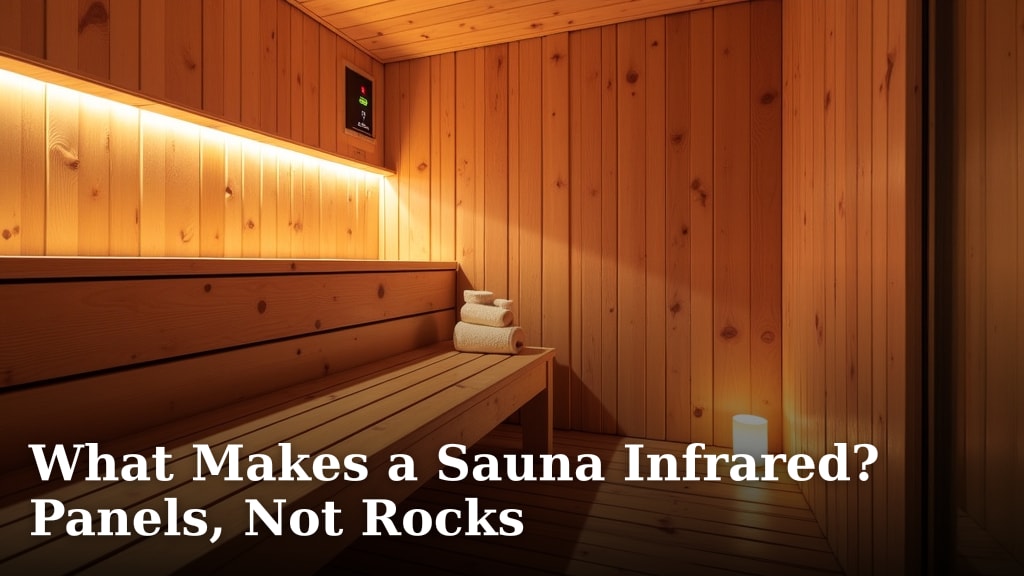
Infrared saunas heat you directly using infrared light panels, not by heating rocks or air like traditional saunas. These special panels emit a gentle warmth that penetrates your body for a deep sweat. You’ll feel the heat immediately when you sit down.
Unlike older sauna styles, infrared saunas don’t rely on high temperatures to make you sweat. They use low-frequency infrared waves to target your body’s tissues. This means a more comfortable experience for many users. You get the benefits of a good sweat without feeling overheated.
- Infrared saunas use special light panels.
- These panels emit infrared light waves.
- This light directly warms your body.
- It’s different from saunas that heat rocks.
- You get a deep sweat more comfortably.
Ready to learn more about how infrared saunas work their magic with panels instead of rocks? Let’s break down what makes them unique.
Understanding How Infrared Saunas Work Differently
Infrared saunas offer a unique way to experience the benefits of heat therapy. They use special panels to generate infrared light. This light directly warms your body. It’s a different approach compared to traditional saunas. Let’s look at how this panel technology makes them distinct.
The Science Behind Infrared Heat Panels
Traditional saunas heat rocks or air. This then heats your body. Infrared saunas bypass this step. They use electromagnetic radiation. This radiation is part of the light spectrum. You can’t see it, but you can feel its warmth.
How Infrared Emitters Generate Heat
Infrared saunas use heating elements. These elements are often made of carbon or ceramic. They are designed to emit a specific range of infrared wavelengths. These wavelengths are chosen because they match the wavelengths naturally emitted by the human body. This is a key factor in how they work.
Wavelengths and Body Penetration
The infrared spectrum has different types of waves. Near, mid, and far-infrared are common. Each type has a different wavelength. Shorter wavelengths heat the skin’s surface. Longer wavelengths penetrate deeper into tissues. Many infrared saunas aim for far-infrared waves. These waves are thought to penetrate the body most effectively. Research suggests this deep heat can offer various benefits (NCBI).
Efficiency and Direct Heating
Because the heat is direct, it’s more efficient. You don’t need extremely high temperatures. The heat goes straight to your body tissues. This means you can achieve a deep sweat at a lower ambient temperature. Many users find this more comfortable than traditional saunas. The gentle warmth starts working right away.
Comparing Infrared Panels to Traditional Sauna Heat Sources
Think of it like this: a traditional sauna is like sitting in a warm room. You gradually get warmer as the air and objects around you heat up. An infrared sauna is more like standing in front of a gentle heater. The warmth is focused directly on you. This difference in heat delivery is significant.
The Role of Rocks and Steam in Traditional Saunas
Traditional saunas, often called Finnish saunas, use a wood-burning or electric stove. This stove heats rocks. Water is then poured over the rocks. This creates steam, which raises the humidity and air temperature. The heat is indirect. It relies on convection and radiation from the hot stones and air. This method can reach very high temperatures, sometimes exceeding 180°F (82°C). Traditional saunas heat the rocks using a stove; learn why wood is ideal for sauna construction.
Infrared Saunas: No Rocks, No Steam, Just Light
Infrared saunas eliminate the need for rocks and steam. They rely solely on the infrared emitters. These emitters are often flat panels or rods. They are strategically placed on the sauna walls. Their primary function is to produce infrared light. This light is what warms you. The air temperature in an infrared sauna is typically much lower. It usually ranges from 120°F to 140°F (49°C to 60°C).
The User Experience: What to Expect from Infrared Panels
When you step into an infrared sauna, the experience is noticeably different. You don’t wait for the room to heat up. The panels start emitting warmth immediately. You’ll feel a gentle, penetrating heat on your skin. It’s less about a blast of hot air and more about a soothing embrace.
Immediate Warmth and Comfort
The immediate warmth is a big draw for many. You can start to relax and sweat within minutes. There’s no need to endure high temperatures before you feel the effect. This makes infrared saunas accessible to more people. Those who find traditional saunas too intense often prefer infrared. The lower temperature can be easier to tolerate for longer periods.
Deep Sweating Without Overheating
The direct infrared waves penetrate your skin. This encourages your body to produce sweat from within. Even though the air temperature is lower, you can still achieve a deep, therapeutic sweat. Many users report sweating more profusely in an infrared sauna than in a traditional one. This is because the infrared heat directly stimulates sweat glands.
Types of Infrared Panels You Might See
When looking at infrared saunas, you’ll notice different panel types. Carbon panels are very common. They tend to be thinner and spread the heat more evenly. Ceramic panels are also used. They can get hotter and are often more durable. Some high-end models use a combination of both.
Carbon vs. Ceramic Emitters
Carbon panels are known for producing a wider spectrum of infrared light. They also tend to emit a gentler, more diffused heat. This can make them very comfortable. Ceramic emitters, on the other hand, can reach higher temperatures. They are also very effective at producing infrared heat. The choice between them can come down to personal preference and sauna design.
| Feature | Infrared Sauna Panels | Traditional Sauna (Rocks/Steam) |
|---|---|---|
| Heat Source | Infrared light emitters (carbon/ceramic panels) | Heated rocks, wood stove, or electric heater |
| Heat Transfer | Directly warms the body tissues | Heats the air and objects, which then heat the body |
| Temperature Range | 120-140°F (49-60°C) typically | 150-180°F+ (65-82°C+) typically |
| Humidity | Low | Can be high with steam |
| Onset of Heat | Immediate | Requires time to heat rocks and air |
| User Comfort | Often more comfortable at lower temperatures | Can be intense due to high heat and steam |
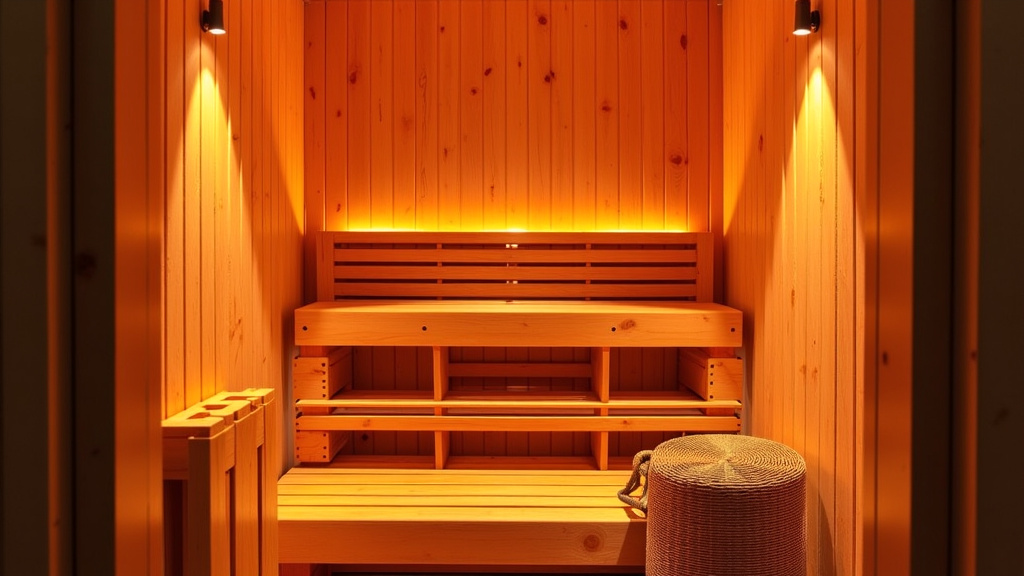
Key Differences Summarized for Your Choice
Deciding between sauna types often comes down to what you’re looking for. Infrared saunas offer a gentle, direct heat. Traditional saunas provide an intense, enveloping heat. Here’s a quick checklist to help you remember the main points.
- Infrared saunas use light panels, not rocks.
- Heat is direct and gentle, warming your body.
- You experience immediate warmth upon sitting down.
- Sweating occurs at lower air temperatures.
- They offer a different comfort level than hot, steamy saunas.
- Panel types can vary (carbon, ceramic).
Conclusion
You’ve learned that infrared saunas heat your body directly using special light panels, not by warming rocks or air. This panel technology allows for a gentler, more comfortable sweat at lower temperatures. You feel the warmth immediately and experience deep relaxation without feeling overheated. If you’re looking for a soothing heat therapy experience that’s different from traditional saunas, an infrared option might be your perfect fit. Consider visiting a showroom or speaking with a sauna specialist to experience the direct heat of infrared panels for yourself.
Frequently Asked Questions
Are infrared saunas safe for my health?
Yes, research and found that infrared saunas are generally safe for most people. The lower temperatures and direct heat can be more comfortable. Always consult your doctor before starting any new heat therapy, especially if you have pre-existing health conditions.
How often can I use an infrared sauna?
You can typically use an infrared sauna several times a week. Many people find daily use to be beneficial for relaxation and well-being. Listen to your body, and start with shorter sessions to see how you feel.
Can I use an infrared sauna if I don’t like very hot environments?
Absolutely. This is one of the main advantages of infrared saunas. They operate at lower air temperatures, around 120-140°F, while still providing a deep sweat. This makes them a great option if traditional saunas feel too intense for you.
Do infrared saunas use electricity?
Yes, infrared saunas use electricity to power the infrared heating panels. The amount of electricity used is generally comparable to other home appliances, depending on the size and efficiency of the unit.
What is the difference between near, mid, and far-infrared?
These refer to different wavelengths of infrared light. Far-infrared waves have longer wavelengths and penetrate deepest into the body, often associated with deep tissue benefits. Near and mid-infrared waves have shorter wavelengths and focus more on skin surface heating.