Sauna vs Hot Tub: Dry Heat or Warm Water?

Choosing between a sauna and a hot tub often comes down to whether you prefer intense dry heat or relaxing warm, buoyant water. Both offer fantastic benefits for relaxation and wellness, but they deliver them in very different ways. You might find one suits your needs better based on your personal preferences for heat and comfort.
When deciding, consider what you’re hoping to achieve. Are you looking for a quick, intense sweat session to detoxify and de-stress, or do you want to soak away aches in soothing, gentle warmth? Research suggests both can improve circulation and muscle recovery, but the experience is quite distinct.
- Saunas use dry heat for a deep sweat.
- Hot tubs use warm water for soothing buoyancy.
- Both can help with relaxation and muscle relief.
- Your personal preference for heat is key.
Let’s break down the key differences so you can make the best choice for your home and your well-being.
Dry Heat vs. Soaking: Which Relaxation Method is Right for You?
Deciding between a sauna and a hot tub can feel like choosing between a desert wind and a warm ocean breeze. Both can leave you feeling refreshed. But they do so in very different ways. Let’s get into the details to help you pick the perfect fit for your home and your relaxation goals.
Understanding the Core Differences
The Sauna Experience: Intense Dry Heat
Imagine stepping into a room that feels like the surface of the sun, but dry. That’s the essence of a traditional sauna. The heat can get quite intense, often reaching between 175°F and 195°F (79°C to 90°C). You might feel a little bit of steam if you toss water on the hot rocks, but the air is mostly dry. This dry heat is what causes that intense sweat you’re looking for.
The main goal here is to induce a deep sweat. This is thought to help flush out toxins and leave your skin feeling clean. The dry air makes it possible to withstand the high temperatures for longer periods than you might in a humid environment. You typically sit on wooden benches, allowing the heat to envelop you. It’s a straightforward, direct heat experience.
The Hot Tub Experience: Warm, Buoyant Water
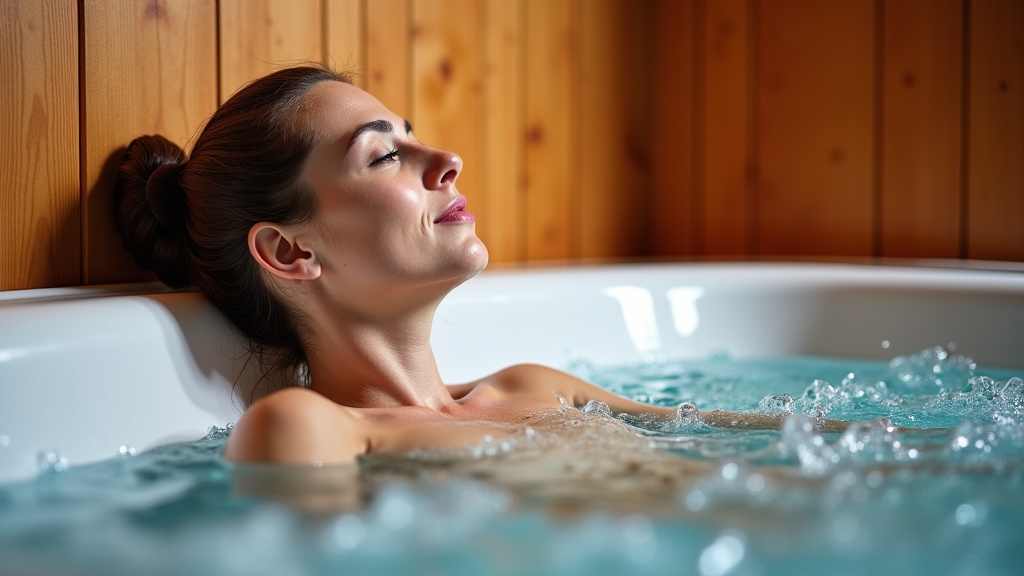
A hot tub, on the other hand, is all about that soothing, enveloping water. The temperature is usually set between 100°F and 104°F (38°C to 40°C), which is much lower than a sauna. But it’s the buoyancy of the water combined with the jets that makes a hot tub so relaxing. You’re literally soaking in warmth, with water supporting your body.
The sensation is one of deep muscle relaxation and stress relief. The jets can provide a massage-like effect, targeting sore muscles and easing tension. It’s less about intense sweating and more about gentle, consistent warmth and hydrotherapy. You’re submerged, feeling cradled by the water, which many find incredibly comforting.
Health and Wellness Benefits: What Research Suggests
Sauna Benefits: Circulation and Detoxification
Research into sauna use often points to improved cardiovascular health. The high heat causes your blood vessels to dilate, which can increase blood flow throughout your body. This is similar to what happens during light exercise. Some studies suggest that regular sauna bathing might be associated with a lower risk of certain cardiovascular events (NIH).
The intense sweating is also a key benefit. While the idea of “detoxing” is popular, it’s important to clarify what that means. Your body naturally detoxifies through your liver and kidneys. However, sweating does help to remove some waste products and impurities from your skin. Many users report feeling cleansed and refreshed after a sauna session.
Hot Tub Benefits: Muscle Relief and Stress Reduction
For muscle recovery and pain relief, hot tubs often take the lead. The warm water helps to relax tense muscles, making them more pliable. The buoyancy of the water also reduces the pressure on your joints, which is a huge plus if you suffer from arthritis or other joint pain (Cleveland Clinic).
The hydro-massage from the jets adds another layer of therapeutic benefit. They can help to break up muscle knots and improve circulation in specific areas. Beyond the physical, the overall experience of soaking in warm water is incredibly stress-relieving. It can lower cortisol levels, the body’s stress hormone, helping you unwind.
Comparing the Experiences: A Quick Look
Let’s break down the key differences in a table to make it easy to see.
| Feature | Sauna | Hot Tub |
|---|---|---|
| Type of Heat | Intense, dry (can be humidified slightly) | Warm, moist water |
| Temperature Range | 175°F – 195°F (79°C – 90°C) | 100°F – 104°F (38°C – 40°C) |
| Primary Sensation | Deep, dry heat; intense sweat | Soothing buoyancy; gentle warmth; jet massage |
| Main Benefit Focus | Circulation, deep cleansing sweat | Muscle relaxation, joint relief, stress reduction |
| Experience | Sitting/lying on benches, dry air | Submerging in water, jets |
Installation and Maintenance: What to Expect
Sauna Installation: Simpler Setups
Typically, indoor saunas are easier to install. They often come as pre-fabricated kits that can be assembled in a spare room or basement. You’ll need a dedicated electrical circuit for the heater. Outdoor saunas are also an option and might require a small foundation. Many people find that DIY sauna kits are quite manageable to put together.
Maintenance for a sauna is relatively simple. You’ll want to clean the benches and floor regularly. The heater and rocks will need occasional inspection. Overall, they tend to have less complex plumbing and filtration needs compared to hot tubs.
Hot Tub Installation: More Involved Process
Hot tubs require more significant installation. You’ll need a sturdy, level base, often concrete or a reinforced deck. Electrical work is essential, usually a dedicated 240V circuit, which often requires a professional electrician. Plumbing is also a factor, as you’ll need to consider drainage for water changes.
Maintenance is also more involved. Hot tubs have sophisticated filtration systems and require regular water testing and chemical balancing to keep the water clean and safe. You’ll need to clean the filters and the shell periodically. This commitment to water quality is crucial for a hygienic and enjoyable experience (CDC).
Cost Considerations: Initial and Ongoing
Sauna Costs: Varied Price Points
The cost of a sauna can vary widely. Small, portable infrared saunas might be on the lower end, starting around $500-$1,000. Traditional Finnish saunas, especially larger, custom-built ones, can range from $3,000 to $10,000 or more. Installation costs can add to this, depending on whether it’s a DIY project or professional setup.
Ongoing costs for saunas are generally lower. The main expense is electricity for the heater, which varies based on usage and local rates. You’ll also have minor costs for cleaning supplies and occasional maintenance. They are often considered more energy-efficient than hot tubs, especially for frequent use.
Hot Tub Costs: Higher Initial Investment
Hot tubs tend to have a higher upfront cost. Simple, smaller models might start around $3,000-$5,000, while larger, feature-rich models with advanced jet systems can easily go for $8,000-$15,000 or more. Installation can add another $500 to $2,000, depending on site preparation needs.
Ongoing costs for hot tubs include electricity for the heater and pumps, water chemicals, and filter replacements. The energy consumption can be higher because the water needs to be kept at a consistent warm temperature. For frequent users, electricity bills can be a noticeable expense.
Making Your Final Choice: A Checklist
To help you zero in on the best option, ask yourself these questions. Your answers will guide you toward the right decision:
- Do you prefer intense, dry heat or gentle, warm water?
- Are you looking for a deep sweat or muscle soothing buoyancy?
- How much space do you have available for installation?
- What is your budget for the initial purchase and ongoing costs?
- Are you prepared for regular water testing and chemical balancing?
- Do you want a simple setup or are you okay with more involved maintenance?
Conclusion
Deciding between a sauna and a hot tub boils down to your personal relaxation preferences. If you crave an intense sweat and a feeling of deep cleansing, a sauna’s dry heat is likely your best bet. For soothing muscle relief, gentle warmth, and a stress-melting soak, a hot tub offers a comforting embrace. Consider your space, budget, and tolerance for maintenance when making your final choice. Whichever you choose, you’re investing in your well-being and creating a personal sanctuary. Take a moment to review your priorities and then take the step to bring your ideal relaxation experience home.
Frequently Asked Questions
Can I use a sauna and a hot tub on the same day?
Yes, many people enjoy using both. It’s best to consult with your doctor, especially if you have any health conditions. Generally, a common approach is to use the sauna first for a deep sweat, followed by a cooling rinse and then a soak in the hot tub for muscle relaxation.
Which is better for weight loss, a sauna or a hot tub?
Neither a sauna nor a hot tub is a direct weight loss tool. While you may lose water weight through sweating in a sauna, this is temporary. Both can aid in recovery after exercise, which supports a fitness routine that contributes to weight management.
How often should I use a sauna or hot tub?
For most healthy individuals, using a sauna or hot tub a few times a week is generally safe and beneficial. Listen to your body and don’t overdo it. If you experience any discomfort, reduce your frequency or duration of use.
What are the electrical requirements for a sauna versus a hot tub?
Saunas typically require a dedicated electrical circuit for their heater, often a 240V connection for larger models. Hot tubs usually need a more robust 240V connection to power their heater, pumps, and jets, and often require professional installation by an electrician.
Can children safely use saunas or hot tubs?
Use with children requires caution. Saunas can be too intense for young children, and prolonged exposure can be dangerous. Hot tubs should be used with adult supervision, and temperatures should be set lower, generally below 100°F (38°C), for children.