What Is a Sauna Tent? Portable Heat for Small Rooms
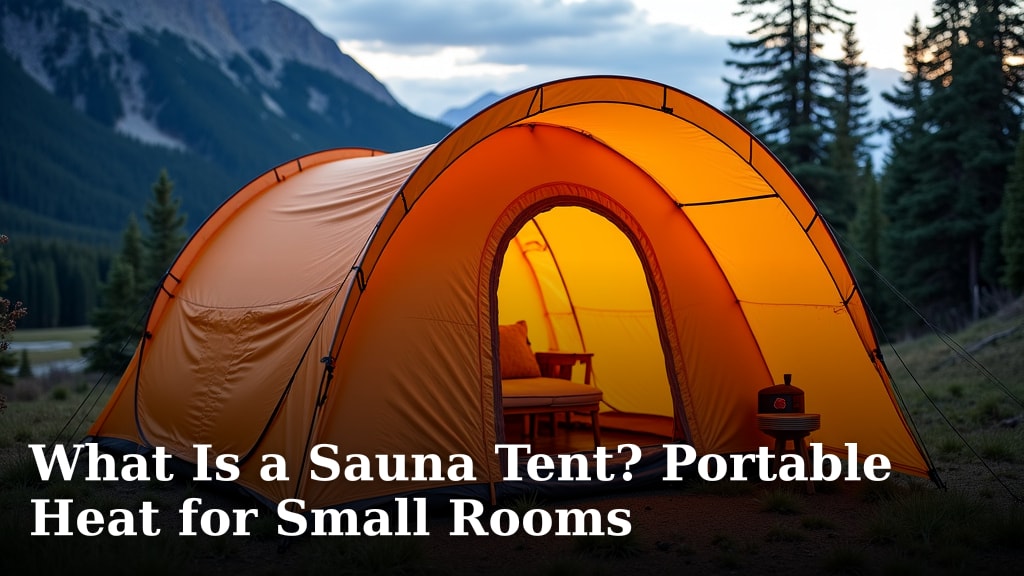
A sauna tent is a portable enclosure that creates a personal sauna experience, often using steam or dry heat, right in your home. You can set it up in a spare room or even a larger closet. Think of it as a miniature personal spa for relaxation and potential health benefits.
These tents offer a convenient way to enjoy sauna benefits without needing a permanent, built-in sauna. Many models are designed for easy setup and storage. They are a great option if you have limited space or want a budget-friendly alternative to traditional saunas.
- Sauna tents are portable rooms for home saunas.
- They offer a convenient and space-saving solution.
- You can find options for both steam and dry heat. Our guide to the parts of a sauna can help you understand the components.
- Setup and storage are typically designed to be simple.
- They’re a more affordable choice than permanent saunas.
Ready to learn more about how these handy tents work and what they can offer you? Let’s dive into the details of portable sauna tents.
Understanding the Portable Sauna Tent Experience
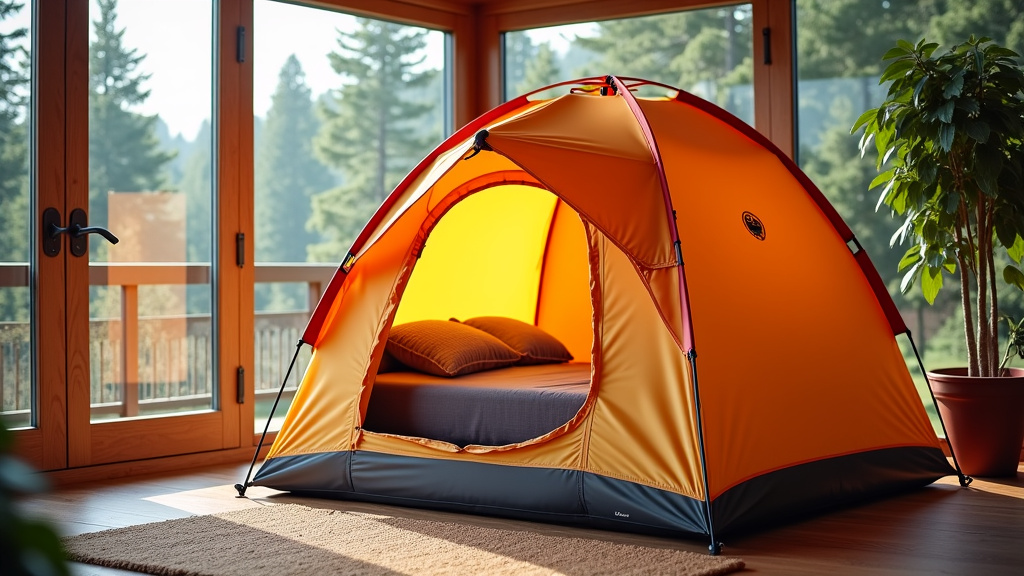
A sauna tent is essentially a personal, enclosed space designed to mimic the heat and steam of a traditional sauna. You can set it up in a spare room, a large closet, or even a dedicated corner of your living space. Think of it as a miniature home spa that folds away when not in use.
These tents create a humid or dry heat environment. This allows you to enjoy the relaxing and potentially therapeutic effects of a sauna. You get a private sauna experience without the need for a costly, permanent installation. Many models are surprisingly easy to set up and take down. They are a smart choice for anyone with limited space or a desire for a more budget-friendly wellness solution.
How Does a Sauna Tent Actually Work?
The core function of a sauna tent is to trap heat and/or steam within its insulated walls. This creates a consistent temperature for your sauna session. Most tents are designed with materials that help retain heat effectively. This ensures you get a good, steamy or hot, experience.
The Heat Source: What Powers Your Tent?
There are a couple of common ways to generate the heat you need. The type of heat source often determines whether you’ll have a steam sauna or a dry heat sauna.
Steam Generators (Sauna Heaters)
Many portable sauna tents use an electric steam generator. You fill a pot with water and turn it on. The generator heats the water, producing steam. This steam then fills the tent, creating a moist, high-heat environment. This is similar to an infrared sauna, but with added humidity. These generators usually have adjustable temperature and timer settings. You can control how hot and how long your session lasts. Many guidelines suggest starting with lower temperatures and shorter durations (Cleveland Clinic).
Far Infrared (FIR) Heating Elements
Some sauna tents use FIR heating panels. These panels emit infrared rays. These rays penetrate your body directly, warming you from the inside out. This method produces a dry heat. It’s often described as a gentler heat than traditional steam saunas. FIR therapy is researched for its potential to help with muscle soreness and joint stiffness (NIH).
The Enclosure Itself: Materials and Design
The tent material is crucial for maintaining heat. Most are made from a waterproof and heat-resistant fabric. This fabric is usually layered to provide insulation. Common materials include polyester or nylon. The frame is typically lightweight metal, like steel or aluminum. This makes it sturdy enough to stand on its own. It also makes it easy to assemble and disassemble. The tent will have a zippered door for entry and exit. Some models also include windows for ventilation or a more open feel.
Types of Sauna Tents Available
When you’re looking for a sauna tent, you’ll find two main categories based on the type of heat they provide. Knowing the difference will help you choose the right one for your needs.
Steam Sauna Tents (Moist Heat)
These are the tents that use a steam generator. They create a very humid atmosphere. The heat feels more intense because of the moisture. This is what many people think of when they picture a traditional sauna. The steam can be very relaxing. It may also help to Learn more about the traditional steam sauna experience.open up pores and clear congestion. Some people find steam saunas helpful for muscle relaxation.
Far Infrared (FIR) Sauna Tents (Dry Heat)
As mentioned, these tents use FIR heating panels. They provide a dry heat. The heat is often described as more comfortable for longer sessions. You don’t tend to feel as stifled as you might in a steam sauna. FIR saunas are praised for their ability to promote sweating and detoxification. The dry heat can be beneficial for those who prefer not to inhale steam.
Key Features to Look For in a Sauna Tent
Not all sauna tents are created equal. When you’re shopping, keep an eye out for these important features. They can make a big difference in your experience and the tent’s durability.
Size and Capacity
Sauna tents come in various sizes. Some are designed for one person, while others can accommodate two. Consider how much space you have available and who will be using it. A one-person tent is great for solo relaxation. A two-person tent might be nice if you want to share the experience. Make sure there’s enough room for you to sit comfortably. You should also have space for any portable chairs you might want to use inside.
Ease of Setup and Storage
This is where portability really shines. Look for tents that boast quick assembly. Many use a pop-up design or a simple pole system. Imagine wanting to use your sauna after a long day; you don’t want a complicated setup. Storage is also important. Most tents fold down quite compactly. Check the product dimensions when it’s packed away. This helps ensure you have a place to store it when it’s not in use.
Durability and Material Quality
A good sauna tent should last. Pay attention to the thickness and quality of the fabric. Look for reinforced seams. Check reviews to see if users report issues with tearing or leaks. The heating elements or steam generator should also be from a reputable brand. Safety certifications, like ETL or UL, are good indicators of quality and safety standards (CDC).
Control and Safety Features
Adjustable temperature and timer controls are essential. This allows you to customize your sauna session. Safety features like auto-shutoff are also important. This ensures the unit turns off if it overheats. Some tents have built-in EMF shielding, which is a consideration for some users. Always ensure your steam generator or FIR panels have safety approvals.
Setting Up Your Sauna Tent: A Step-by-Step Guide
Setting up your sauna tent is usually straightforward. While each model might have slight variations, the general process is similar. Always refer to your specific product manual for exact instructions.
- Unpack and Inspect: Lay out all the parts. Check for any damage.
- Assemble the Frame: Connect the poles or expand the frame according to the instructions.
- Attach the Tent Cover: Drape the fabric cover over the frame. Secure it using the provided ties or Velcro straps.
- Install Heating Elements: Place your steam generator or FIR panels inside as directed. Ensure they are stable and away from direct contact with the tent fabric.
- Connect Power: Plug in your steam generator or FIR panels.
- Preheat: Turn on the sauna and allow it to reach your desired temperature. This usually takes 10-20 minutes.
Using Your Sauna Tent Safely and Effectively
To get the most out of your sauna tent experience, it’s important to use it safely. Following these guidelines can help ensure a relaxing and beneficial session.
- Hydration is Key: Drink plenty of water before, during, and after your sauna. Sweating can lead to dehydration (Mayo Clinic).
- Start Slow: If you’re new to saunas, begin with shorter sessions (5-10 minutes). Gradually increase the time as you get used to the heat.
- Listen to Your Body: If you feel dizzy, nauseous, or unwell, leave the sauna immediately.
- Avoid Alcohol: Do not consume alcohol before or during your sauna session. It can increase the risk of dehydration and heat-related issues.
- Consider Clothing: You can use your sauna tent nude or wear a swimsuit. Some people prefer to wear a towel.
- Cool Down: After your session, allow your body to cool down gradually. A cool shower can be refreshing.
Can a Sauna Tent Really Offer Health Benefits?
Many people use saunas for relaxation and general well-being. Research suggests potential benefits associated with regular sauna use. These can include improved circulation and muscle relaxation. Some studies also point to potential benefits for stress reduction and sleep quality (NCBI).
It’s important to remember that saunas are not a substitute for medical treatment. If you have any health conditions, especially heart problems, it’s best to talk to your doctor before using a sauna regularly. They can provide personalized advice based on your health status.
For example, some guidelines recommend caution for individuals with high or low blood pressure. They might also advise those who are pregnant or have certain medical conditions to avoid or limit sauna use. Always consult with a healthcare professional if you have concerns.
Pros and Cons of Sauna Tents: What to Consider
Like any wellness product, sauna tents have their advantages and disadvantages. Weighing these will help you decide if it’s the right fit for your lifestyle.
| Pros | Cons |
|---|---|
| Affordability: Much less expensive than traditional saunas. | Space Requirement: Still needs a dedicated space, even if portable. |
| Portability: Easy to set up, take down, and store. | Durability Concerns: Can be less durable than permanent structures. |
| Convenience: Enjoy sauna benefits at home anytime. | Heating Time: May take longer to heat up than some traditional saunas. |
| Privacy: Your own personal spa experience. | Material Odors: Some new tents may have a slight odor initially. |
| Versatility: Available in steam or dry heat options. | Power Consumption: Electric heaters use electricity. |
Is a Sauna Tent Right for Your Home?
So, is a portable sauna tent the wellness companion you’ve been looking for? If you appreciate the idea of convenient relaxation and potential health perks without a huge investment or permanent fixture, then it’s definitely worth considering. They offer a fantastic way to create a personal spa retreat in your own home.
Think about your available space and your budget. If they align with what a sauna tent offers, you might be on your way to enjoying a wonderfully steamy or toasty session. It’s a modern solution for an ancient practice of heat therapy. You can bring that therapeutic heat right into your living space.
Conclusion
A sauna tent offers a fantastic way to bring the relaxing experience of heat therapy into your home without a major renovation. You’ve learned how these portable enclosures work, whether you prefer moist steam or dry infrared heat. They provide a convenient, space-saving, and budget-friendly option for personal wellness.
Consider your available space and what kind of heat you enjoy most. If it sounds like a good fit, you’re ready to find the right sauna tent for your needs. Enjoy creating your own personal spa retreat!
Frequently Asked Questions
How much space do I really need for a sauna tent?
Most single-person sauna tents have a footprint similar to a large chair. You’ll need enough space to set it up comfortably, typically an area of about 3×3 feet. Make sure you have clearance around it for safety and easy entry.
Can I use a sauna tent in any room of my house?
Yes, you can set up a sauna tent in most rooms. Spare bedrooms, large closets, or even a corner of your living room can work. Just ensure there’s a power outlet nearby for the steam generator or FIR panels.
How long does it take for a sauna tent to heat up?
Heating times can vary, but generally, a sauna tent takes about 10 to 20 minutes to reach its desired temperature. This is comparable to many traditional saunas, allowing you to get your session started relatively quickly.
Are sauna tents safe to use if I have certain health conditions?
It’s always best to consult your doctor before using a sauna tent if you have any health conditions, especially heart problems, high blood pressure, or if you are pregnant. They can advise you on safe usage based on your personal health needs.
How do I clean and maintain my sauna tent?
After each use, it’s recommended to wipe down the interior with a damp cloth. For steam tents, ensure the steam generator is cleaned according to its manual. Store the tent completely dry to prevent mold or mildew.