How to Turn Your Bathtub into a Cold Plunge
You can turn a bathtub into a cold plunge by checking that it fits your body, insulating it, and cooling clean water safely. It works best for short sessions, but it is not ideal if you want hands-free cooling, deep immersion, or frequent use.
On this page (11 sections)
- Can a regular bathtub work as a cold plunge?
- What should you check before you fill your bathtub?
- Is a cold plunge for bathtub use safe?
- How do you cool the water without a chiller?
- How do you insulate a bathtub for cold soaks?
- How do you place a filter or keep the water clean?
- What safety steps should you follow when you get in and out?
- How do shower steamers fit a cold plunge routine?
- How can you build a simple bathtub plunge step by step?
- When is a dedicated cold plunge tub a better choice?
- What are the best ways to start with a bathtub cold plunge?
You can turn a bathtub into a cold plunge by using the tub you own, cooling the water in a safe way, and limiting sessions to short soaks. A cold plunge for bathtub use suits people who want to try cold immersion before buying a dedicated tub.
It has limits, since most tubs are shallow and not set up for chillers or filters.
Can a regular bathtub work as a cold plunge?
Yes, a regular bathtub can work if your body fits with your knees bent and the water covers your torso. Most standard tubs are about 60 inches long, which suits shorter adults better than taller ones.
Measure the inside length, width, and depth before you fill it.
A tub also limits how you add and remove cold water. You may need buckets, a hose, or a pump, and the drain must seal well enough to hold water for the full session.
Fix leaks before your first soak.
The main trade-off is control. A bathtub does not cool water on its own, so the water will warm during the session and between uses.
That makes it best for occasional use, not a daily routine where you want the same temperature each time.
What should you check before you fill your bathtub?
Check inside length, inside depth, drain seal, and the area around the tub before you plan a cold plunge for bathtub use. Lie down in the empty tub and see if your shoulders and hips stay under water when you bend your knees.
If your knees stick out, you will get less full-body cooling.
Check the floor around the tub for slip risk. Water will splash during entry and exit, so keep towels, a stable mat, and a clear path nearby.
Do not use a bath mat that can slide.
Check plumbing and fixtures too. A weak drain, cracked seal, or low overflow can waste water and damage the floor.
Stop and fix leaks before you add insulation or cooling gear, since trapped water can cause mold.
Is a cold plunge for bathtub use safe?
A cold plunge for bathtub use can be safe for healthy adults if you start with cool tap water, keep sessions short, and get out if you feel dizzy. Cold water raises your heart rate and blood pressure at first, so it is not a mild experience.
Never push through shaking, numbness, chest pain, or confusion.
Talk with a doctor first if you have heart disease, high blood pressure, circulation problems, diabetes, asthma, or a history of fainting, or if you take medication that affects heart rate or blood pressure. Children should not use cold plunges.
Keep a phone, towel, and warm clothes within reach. Get in slowly and have another adult nearby for your first few sessions.
If you feel lightheaded, sit on the tub edge and stop the session.
How do you cool the water without a chiller?
You can cool bathtub water by starting with cold tap water and adding ice in a controlled way. Fill the tub, then test the temperature with a thermometer before adding any ice.
A few bags can make the water too cold too fast.
Use clean ice in a clean container or bag, and keep it away from your skin at first. Stir well so cold spots do not form, then check the temperature again.
Stop adding ice once the water reaches your target range.
A chiller gives more stable temperatures, but most bathtubs were not built for one. If you want stable cooling, read our diy cold plunge chiller guide before you buy parts.
Never run electrical gear near a filled tub unless it is made for wet use and kept away from the water.
How do you insulate a bathtub for cold soaks?
Insulate a bathtub by covering the outside walls and leaving the inside smooth and easy to clean. Foam board, moving blankets, or outdoor insulation mats can slow warming on the sides.
Tape or strap the insulation outside the tub, not inside where your body touches it.
Do not block the overflow drain, faucet, or drain controls. Keep insulation dry, and remove it after use so the tub can dry fully.
Wet insulation trapped against porcelain or acrylic can hold moisture and lead to mold.
Insulation helps, but it will not make a thin tub hold cold water all day. Plan to use the tub soon after you fill it, and expect the water to warm during longer sessions.
If you want better heat retention, a dedicated plunge tub with thick walls will do more than added layers on a bathtub.
How do you place a filter or keep the water clean?
Keep bathtub plunge water clean by emptying it after use and cleaning the tub before the next session. Most people treat the water as single-use, since a bathtub is not built for a filter.
That is slower, but it avoids dirty water sitting in a warm bathroom.
If you want filtration, learn what's a cold plunge first and how dedicated systems handle pumps and filters. A small filter needs a pump, hoses, and a clean way to return water to the tub.
That setup is harder to seal and clean than in a dedicated plunge tub.
Do not add soap, bath oils, or salts to plunge water. They coat the tub, irritate skin, and make cleaning harder.
Rinse and dry the tub after each use, and leave the drain open so moisture does not build up.
What safety steps should you follow when you get in and out?
Get in and out safely by sitting on the tub edge, testing the water, and moving slowly. Wet porcelain and acrylic get slick fast, and cold water can make your muscles stiff.
Use a stable grab bar if you have one.
Do not step over a high tub wall when the water is cold. Sit down first, swing your legs in, then lower your body in with control.
Sit on the edge for a minute before you stand after your soak.
Keep the bathroom warm and have dry towels ready. Wear a secure swimsuit or shorts that stay in place, and avoid loose clothing that can tangle around your legs.
How do shower steamers fit a cold plunge routine?
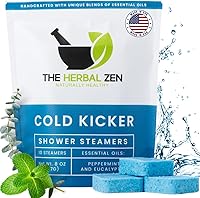
Shower steamers fit after your soak, not in the plunge water, since The Herbal Zen Cold Kicker Shower Steamers come in a 10 pack with peppermint and eucalyptus oils. The blend has a minty, menthol-like aroma, which suits people who like a strong, fresh scent after cold water.
Use one in a warm shower after you get out of the tub.
The brand says the steamers use natural essential oils with no artificial fragrance. The description lists Cold Kicker among other blends, so save the minty ones for post-plunge showers.
Keep them dry in the box, since steamers lose strength when they get damp in storage.
Do not drop steamers into the bathtub plunge water. The oils can coat the tub and your skin, and they make the water harder to clean.
Save aromatherapy for the shower, where the steamer dissolves under warm water and rinses away.
How can you build a simple bathtub plunge step by step?
Build a simple bathtub plunge by measuring the tub, sealing the drain, filling with cold water, and adding ice to reach a safe temperature. Start with the empty tub and a thermometer, then fill it partway and test how your body fits.
Adjust the water level before you add ice.
Seal the drain with a stopper that holds under pressure, and check for drips for 10 minutes. Add insulation to the outside walls if you want the water to stay cold longer.
Keep the overflow and faucet clear, and place towels and warm clothes nearby.
Add ice in small amounts and stir after each addition. Check the temperature in a few spots, since ice can make pockets of very cold water.
Get in slowly, keep the session short, and get out if you feel dizzy or numb.
After your soak, drain the water, rinse the tub, and dry the inside and outside. Remove insulation so it can dry, and clean any ice melt on the floor.
When is a dedicated cold plunge tub a better choice?
A dedicated cold plunge tub is a better choice if you want stable temperatures, full-body immersion, or daily use. Dedicated tubs are usually deeper and wider, so your shoulders stay under water without bending your knees hard.
Their thicker walls also slow warming between sessions.
Dedicated systems can include chillers, filters, and pumps that keep water clean and cold. Compare a diy cold plunge tub build with a factory-made tub before you spend money.
A bathtub conversion is a low-cost test, while a dedicated tub is a long-term setup.
A best diy cold plunge kit can help you judge the true cost of pumps, filters, and chillers. Kits cost more than ice, but they give steady cooling and cleaner water.
For water care, a diy cold plunge filter guide explains how filters fit into a closed system.
What are the best ways to start with a bathtub cold plunge?
Start with a bathtub cold plunge by using cold tap water first, keeping your first sessions short, and stopping if you feel unwell. Your first soak should test fit, temperature, and exit safety more than endurance.
Add ice only after you know how cold your tap water runs.
Track what works in a simple note. Write down water temperature, session length, how you felt, and how long the water stayed cold.
That record helps you decide if a bathtub is enough or if you need a dedicated tub.
Choose a bathtub plunge for a low-cost way to try cold immersion for occasional use. Choose a dedicated tub for daily use, stable cold water, and full immersion.
Either way, clean the system after each use and put safety first.
Frequently asked questions
Can a regular bathtub work as a cold plunge?
Yes, a regular bathtub can work for short cold soaks if it is long and deep enough for your body. You will still need a safe cooling method, clean water, and a way to get in and out without slipping.
A dedicated tub fits better for frequent, hands-free use.
Is a bathtub cold plunge safe for everyone?
No, cold water is not safe for everyone, and heart or circulation issues raise the risk. Talk with a doctor first if you have a medical condition, take medication that affects circulation, or feel dizzy in cold water.
Never soak alone, and keep sessions short.
How often should I change bathtub plunge water?
Change the water after each use or keep it clean with a suitable filter and treatment plan. A bathtub is hard to drain and refill often, so many people use it for occasional soaks rather than daily use.
Keep the tub clean and dry between sessions.