How to Cold Plunge
To cold plunge, fill a clean tub with cold water, check the temperature, ease in slowly while breathing calmly, stay in for a short timed session, then get out and warm up gradually. Start short, add time slowly, and stop if you feel dizzy, numb, or unsafe.
On this page (10 sections)
- What is a cold plunge and how is it different from a cold shower?
- How to cold plunge for the first time
- How to prepare your tub before you get in
- What temperature should you use when you cold plunge?
- How long should you stay in a cold plunge?
- When is the best time to cold plunge?
- How do you breathe and get out safely?
- What should you do after a cold plunge to warm up?
- What mistakes should you avoid when you learn to cold plunge?
- How do you cold plunge properly as a repeatable routine?
To cold plunge, set up a clean tub, cool the water, enter slowly, breathe through the first minute, and exit on your timer. You can learn how to cold plunge properly by starting short, warming up after, and adding time only when the prior session felt manageable.
If you are new, treat your first week as practice. Your goal is a calm entry and a safe exit, not a long stay.
What is a cold plunge and how is it different from a cold shower?
A cold plunge is full-body immersion in a tub of cold water, while a cold shower is cold water running over you while you stand. For a fuller definition before you buy gear, see what's a cold plunge.
A plunge covers more skin at once and feels more intense in the first 30 seconds. A shower lets you step away and stop with less effort.
That also affects cost and space. A tub needs room to sit in, a stable floor, and a way to fill and empty it.
Compare cold plunge tubs for home for your space. A shower uses your existing bathroom with no extra footprint.
How to cold plunge for the first time
For your first session, use slightly warmer water, stay in for a short time, and focus on slow breathing. Set a timer before you get in, keep a towel and warm clothes within reach, and have someone nearby if you feel unsure.
Fill the tub, stir the water, and check the temperature before you step in. Sit on the edge first, let your feet adjust, then lower yourself in while holding a stable edge.
Breathe in through your nose and out slowly. The urge to gasp usually peaks early and fades within a minute or two.
If it does not fade, or if you feel dizzy, get out. That is a useful signal, not a failure.
How to prepare your tub before you get in
Prepare the tub with clean water, a checked temperature, a non-slip entry, and a clear path to dry clothes. Rinse the tub before each use, especially if it has sat idle.
Choose a level spot with good drainage and space for towels. An outdoor setup needs shade and a cover when not in use.
Add water, stir it to mix warm and cool layers, and check the reading with a thermometer. Our picks for the best cold plunge thermometer can help you find a tool that reads quickly.
Plan your exit before you enter. Hang a towel, set out warm clothes, and keep the floor dry where you will step out.
What temperature should you use when you cold plunge?
Use a temperature you can tolerate for a full short session while breathing calmly. Many guides place cold plunge water between 50 and 60 degrees Fahrenheit, but start near the warmer end.
Tap water varies by season and home. Summer water can feel mild, while winter water can feel sharp, so a thermometer removes guesswork and helps you repeat a session that worked.
If the water feels painful, breathing will not settle, or hands go numb quickly, it may be too cold for now. Warm it slightly or shorten the session.
For context on ranges and trade-offs, read what temperature is a cold plunge.
How long should you stay in a cold plunge?
Stay in for a short timed session at first, then add time in small steps. Our guide to how long to cold plunge covers common ranges, but a timer and your response should guide you more than any single number.
Many beginners start with 30 seconds to a few minutes. That is enough to learn entry, breathing, and exit.
Add 30 seconds or a minute only after a session where you could breathe steadily and get out without rushing.
Keep a simple log. Note the water temperature, the time, how the first minute felt, and how you felt after.
Patterns in that log will tell you more than a generic target.
When is the best time to cold plunge?
Plunge when you have time to warm up after and no hard activity planned right away. Our guide on when to cold plunge walks through morning, training, and evening options in more detail.
Morning sessions suit people who want a clear start to the day. Sessions after training suit people who want to keep the two habits together.
Evening sessions suit people who prefer a quieter house.
Leave extra time after every session. You will need time to dry off, dress, and warm up.
If you plunge right before work, you may rush the exit, and rushing is where mistakes happen.
How do you breathe and get out safely?
Breathe slowly through your nose, keep your shoulders down, and watch the timer rather than the water. Panic makes the session feel longer and a safe exit harder.
Hold the tub edge as you lower in and get out. Wet skin, wet feet, and a slick wall can cause a slip, so step out slowly and sit on the edge until you feel steady.
Get out when the timer ends, even if you feel fine. Cold water can dull your sense of time, and staying in longer is not automatically better.
A cold shower can be a useful step before a plunge. Our comparison of cold shower vs cold plunge shows how a shower gives cold input with an easier exit.
What should you do after a cold plunge to warm up?
Warm up gradually with dry clothes, gentle movement, and a warm drink if you like. Shivering is common and usually passes as you warm.
Sit down if you feel lightheaded, and do not drive until fully alert.
Dry off fully, including feet and hands, then put on warm layers. Walk around, do light stretches, or make tea.
Many people prefer to warm naturally rather than jump into a hot shower. A hot shower after a plunge is a personal choice, not a rule.
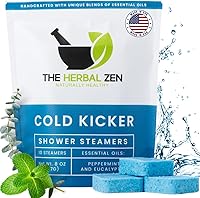
The brand says each steamer is handmade in the USA and uses natural essential oils with no artificial fragrance. The package measures 9.17 x 6.34 x 2.24 inches and weighs 14.65 ounces.
Use one steamer in the shower only, and keep the pack dry between uses.
How do you use shower steamers between plunge sessions?
Use a steamer in the shower only, on the floor away from direct spray. Let the steam carry the scent while you shower, then rinse the floor and let the area dry.
Scent is a preference, not a requirement for cold training. A steamer can make a regular shower feel like a routine, but it does not change water temperature or session length.
Store the pack in a dry spot so the steamers stay firm.
How do you clean and refill a cold plunge tub?
Clean the tub with mild soap and water, rinse well, and dry it before storage. Change the water when it looks dull, smells off, or has sat for several days without treatment.
For a chiller or filter setup, follow the maker instructions for filter changes and water care. Our cold plunge chiller with filter guide covers how those parts work together.
For an ice-only tub, add fresh ice and water each session or store the empty tub dry.
Never mix cleaning chemicals with ice water you plan to sit in.
How do you choose between a cold plunge, ice bath, hot tub, and cold shower?
Choose based on space, cost, and how intense you want the cold to feel. An ice bath vs cold plunge comparison shows how the two tub options differ in setup and use.
A hot tub serves a different goal, so compare the two in our guide to hot tub vs cold plunge before you buy either one. A cold shower needs no extra space and suits small bathrooms.
Body size and routine also matter. Read cold plunge men vs women if you share a tub with a partner or want to understand comfort differences.
What mistakes should you avoid when you learn to cold plunge?
Avoid starting too cold, staying too long, and skipping a warm-up exit. Most beginner problems come from one of those three choices, and each one is easy to fix.
Do not add ice to water you have not measured. Do not stay in until you feel numb and call that success.
Do not rush the steps out of the tub. Slow down at each stage, and the habit will build faster.
If you want a lower-intensity option on some days, a cold shower gives you a simple alternative. Our guide to cold shower vs hot shower explains how the two shower options compare for daily use.
How do you cold plunge properly as a repeatable routine?
How to cold plunge properly comes down to a fixed order: check, enter, breathe, time, exit, warm up. Repeat that order until it feels automatic, then adjust temperature or time in small steps.
Keep the same setup each session. Use the same tub spot, the same thermometer, the same timer, and the same warm clothes waiting nearby.
A fixed setup removes decisions and makes each session easier to compare with the last.
Start a simple log and review it weekly. If sessions feel calm and recovery is quick, add a little time or a slightly cooler temperature.
If you feel shaky, dizzy, or cold for a long time after, step back to the prior level.
Frequently asked questions
How long should a beginner stay in a cold plunge?
Beginners often start with very short sessions and build up slowly over several sessions. Use a timer, keep your breathing steady, and get out if you feel dizzy, panicky, or unable to warm your hands.
Leave more time when you are new to cold water.
What temperature should cold plunge water be?
Many people use water in the 50 to 60 degree Fahrenheit range, but comfort and safety matter more than a single number. Check the temperature with a thermometer, start on the warmer side if you are new, and follow the tub maker's guidance for your setup.
Can I cold plunge every day?
Some people do, but daily use is not required to learn the habit. Start with a few sessions a week, watch how your body responds, and add sessions only if you recover well.
Rest days are fine and often more sensible at the start.
What should I do right after I get out?
Dry off, put on warm dry clothes, and move gently to warm up. Many people prefer slow warming rather than a hot shower right away.
If you feel cold, shaky, or lightheaded, sit down, warm up slowly, and skip another session that day.