Traditional Sauna vs Red Light Sauna: Which Is Better? (October 2026)
Choose a traditional sauna for hot air and a red light sauna for infrared warmth with added light features. The right fit depends on the heat you want, the room you have and which features you'll use.
On this page (6 sections)
Choose a traditional sauna for a hot-air session, or a red light sauna when you want infrared heat with added light features. Your best fit depends on the heating style, available space and whether red light is a feature you plan to use.
The phrase “red light sauna” can describe different equipment. Some cabins use infrared panels for heat and add red light or other color lighting, so compare the heat source separately from the lighting.
If you’re still sorting through sauna styles, start with What Type of Saunas Are There? A Simple Guide.
This comparison focuses on the difference between traditional hot air and infrared cabins that include red light features.

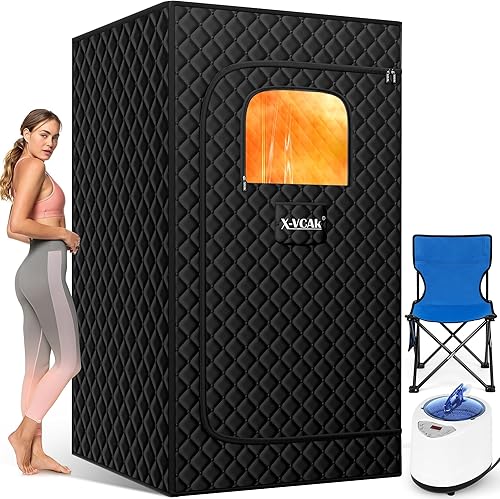 Best for portable steam
X-Vcak Upgraded Portable Sauna for Home,Relaxation
Traditional sauna vs red light sauna: how does the heat differ?
A traditional sauna heats the air in the room, while an infrared sauna uses panels to provide radiant heat. Red light is an added lighting feature on some infrared cabins, not the same thing as the sauna’s heat source.
In a traditional sauna, a heater warms the room and sauna stones; water may be poured on the stones where the system allows it. The experience centers on hot air and the room’s temperature.
An infrared cabin uses panels to warm you without relying on the same hot-air setup. The two options can feel different, so the listed maximum temperature alone doesn’t tell you which session you’ll prefer.
For more detail on the heating styles, see infrared sauna vs steam sauna. Steam rooms add moisture to the comparison, while traditional dry saunas and infrared cabins have their own heat profiles.
What does “red light sauna” mean?
A red light sauna usually means a sauna with a red light feature, but the term doesn’t define the heating method. Check whether the cabin uses infrared panels, a traditional heater or another system.
For example, the X-Vcak infrared cabin includes 7 therapy light colors, including red, along with 6 heating panels. The Dynamic Saunas Barcelona combines infrared panels with red light therapy and an optional white reading light.
These examples make the distinction clear: infrared describes how the cabin heats; red light describes a lighting feature. Look for both details in the model information before deciding.
Which session style should you choose?
Pick traditional heat if you want a room warmed by a sauna heater; choose an infrared cabin if you prefer panel-based warmth and want red light included. Neither format is automatically right for every home.
Consider what you want to feel during a session. A traditional sauna offers hot air throughout the room, while an infrared cabin can have a lower stated maximum temperature and direct warmth from its panels.
The X-Vcak infrared cabin lists a maximum of 150°F and a recommended use time of 10 to 15 minutes. The Dynamic Saunas Barcelona lists a maximum of 135°F and a comfort range of 115°F to 130°F.
Those specifications describe these two cabins only. Follow the instructions for any sauna you use, start conservatively, and drink water before and after a session.
When does a traditional sauna make more sense?
A traditional sauna can suit you if the hot-air environment is the main reason you want a sauna. It may also be the more natural choice if your home or gym already has a traditional setup.
Check the heater, power needs, ventilation, room clearances and installation instructions for the exact sauna. Don’t assume that every cabin has the same setup or permits water on its stones.
If your main question is how a sauna fits into a workout routine, read sauna vs steam room after workout. That comparison can help you decide which kind of heat best matches how you plan to use it.
When does a red light infrared cabin make more sense?
An infrared cabin with red light can suit you if you want panel-based heat and built-in color lighting in one unit. The light feature may be easier to include from the start than to add later, but check the controls and setup for the model you choose.
The X-Vcak cabin has red, blue, green, yellow, purple, cyan and natural light. The Dynamic Saunas Barcelona includes red light therapy and an optional white reading light.
Don’t choose by the word “therapy” alone. The product details describe features, but they don’t establish a health benefit or guarantee a specific result.
How much space and setup does each option need?
A fixed cabin needs a suitable indoor area, while a foldable steam tent can offer a more flexible setup. Measure the room and access path before choosing any home sauna.
The X-Vcak infrared cabin measures 40 x 36 x 73 inches. The Dynamic Saunas Barcelona has an interior measuring 36 x 32 x 67 inches, and the manufacturer describes it as an indoor sauna.
Both are substantial home units, so check the space around the cabin and how it will get through your doorway. Review the installation and electrical instructions before you plan a location.
The portable X-Vcak is a steam tent rather than a red light sauna. Its foldable design and included chair may suit someone who needs a different kind of home setup, but it won’t provide the same infrared cabin experience.
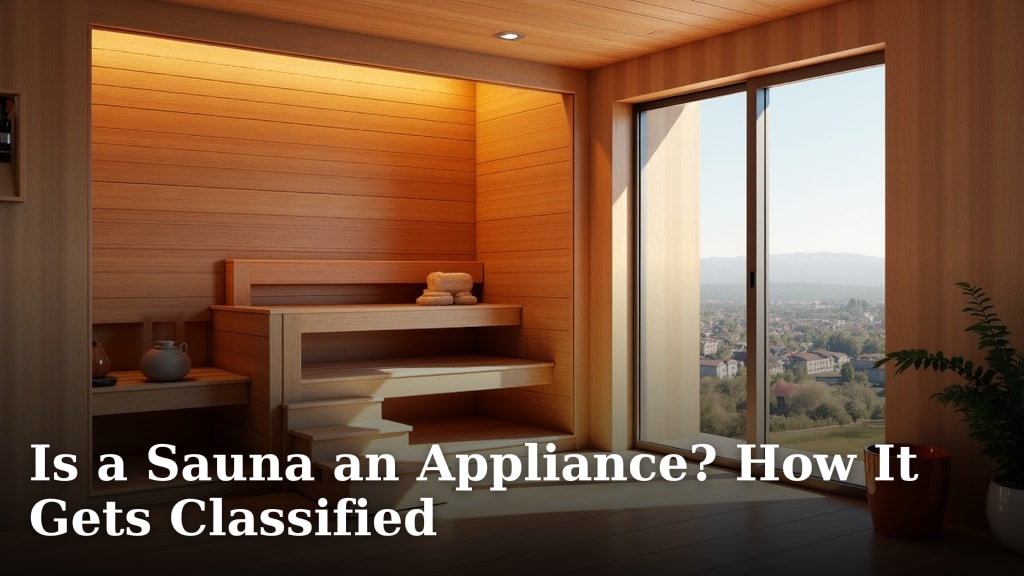
If you’re comparing a sauna with another home appliance, our guide to Is a Sauna an Appliance? How It Gets Classified explains how its equipment and installation fit into a home.
What should you compare before buying?
Compare heat type, temperature range, lighting, cabin dimensions and setup requirements for the exact model. These details matter more than broad labels such as “wellness sauna.”
Use this short checklist:
- Heat source: traditional heater or infrared panels?
- Lighting: is red light included, and can you control it separately?
- Temperature: what range does the manufacturer specify?
- Space: do the outer dimensions, doorway and room clearances work?
- Installation: what outlet, floor and assembly conditions are required?
- Use instructions: what session length and safety steps does the manufacturer recommend?
For a closer look at cabin heat differences, read Infrared Sauna vs Traditional Sauna: The Gaps. If you want a plain explanation of the panel-based format, see [What Is an Infrared Sauna?
Light-Based Heat](/what-is-an-infrared-sauna/).
Product options for different home setups
The X-Vcak cabin is the closest fit here for red light features, while the Dynamic Saunas Barcelona offers another fixed infrared cabin with red light. The portable steam tent and wood oil serve different needs.
For session comfort, a suitable towel can help you manage sweat and keep the bench dry. Our guide to the best sauna towel for men covers a related accessory.
Can you add red light to a traditional sauna?
Don’t assume a traditional sauna can use any red light device safely inside its hot room. Check the device’s approved temperature range and the sauna manufacturer’s instructions before combining equipment.
Heat, humidity, electrical connections and mounting position can affect whether a separate device is suitable. A red light panel designed for an ordinary room may not be built for sauna conditions.
If independent red light is your priority, compare devices made for that use and follow their safety directions. A sauna cabin that includes its own red light feature may simplify the decision, but its instructions still govern how to operate both systems.
Which should you choose?
Choose a traditional sauna if hot air is the experience you want; choose an infrared cabin with red light if panel-based warmth and built-in lighting fit your routine. Compare dimensions, heat settings and installation requirements before you decide.
The X-Vcak infrared cabin pairs 6 heating panels with 7-color lighting, including red. The Dynamic Saunas Barcelona is another fixed infrared option with red light, while the foldable X-Vcak tent provides steam rather than infrared heat.
If you’re choosing by the type of warmth, read What Is an Infrared Sauna? Light-Based Heat next.
If sauna wood care is part of your setup, the Northwood Sauna oil is made for both traditional and infrared sauna wood.
Frequently asked questions
Is a red light sauna the same as an infrared sauna?
No. Infrared panels provide heat, while red light is a separate feature that some sauna cabins include.
A cabin may offer both, but the presence of red light alone doesn't tell you how it heats.
Check the heating method and light controls for the exact model.
Does a traditional sauna use red light?
A traditional sauna is defined by its heat source and hot-air experience, not by red light. Some sauna systems add lighting features, but you should confirm the exact setup rather than assume every traditional cabin includes red light.
Which gets hotter, a traditional or red light sauna?
It depends on the specific equipment. The infrared options here list maximum temperatures of 150°F and 135°F, but that doesn't guarantee a general limit for traditional saunas.
Compare the temperature range and operating instructions for the models you are considering.
Can I use red light without sauna heat?
Some red light devices work without a sauna, while sauna cabins with red light combine lighting with their heat system. Check whether the light can run independently on the exact model, and follow its instructions for session length and distance.
Which sauna type is easier to fit at home?
A portable steam tent can fold for storage, while an indoor cabin needs a dedicated floor area. A traditional sauna also needs an appropriate room and setup.
Measure the space, doorway and power access, then check the installation requirements before choosing.