Sauna vs Steam Room After a Workout: Which to Choose? (November 2026)
Choose a sauna for dry heat and a steam room for humid air after your workout. Your hydration, heat tolerance and breathing comfort should guide the choice more than the amount you sweat.
On this page (11 sections)
- Sauna vs steam room after workout: which is better?
- What changes after exercise?
- When should you choose a sauna?
- When should you choose a steam room?
- Does either option improve muscle recovery?
- Which room is easier on breathing?
- Can a sauna suit replace a sauna or steam room?
- How should you prepare for a post-workout heat session?
- How do you choose between dry and humid heat?
- What safety checks matter at home?
- Final choice: sauna or steam room after a workout?
Choose a sauna for dry heat and a steam room for humid air after a workout. The better option depends on how your body handles heat, how much you have hydrated and whether you want a dry or damp environment.
A sauna uses heated air with low humidity. A steam room uses hot, highly humid air, so the same room temperature can feel more intense because sweat evaporates less easily.
This guide compares the 2 options after exercise. It also covers timing, hydration, breathing comfort and safer ways to add heat to your routine.
The difference matters most when you are already warm from training. Dry air lets sweat leave your skin more freely, so the room can feel cleaner and less sticky.
Humid air keeps moisture around you, which can make the heat feel closer even at a modest temperature.
Neither room replaces a normal cool down. Walking, resting and drinking water first gives your heart rate time to settle.
It also helps you judge heat more clearly instead of confusing tiredness with room heat.
Your choice should start with comfort rather than sweat volume. If dry air irritates your throat or breathing, a sauna may not suit you after exercise.
If damp air feels heavy or makes breathing harder, a steam room may be the poorer choice that day.
Season and workout type can change the answer as well. A hard session in strong summer heat may call for shade, water and rest before any extra warmth.
A lighter indoor session on a cold day may feel different, provided you still feel steady and alert.
Watch for early warning signs in either room. Dizziness, nausea, weakness, confusion or chest discomfort are reasons to leave and cool down.
Heavy sweating alone does not prove that the session is helping recovery.
Use this guide to set a simple routine. Cool down first, drink water, check your breathing and choose the room you tolerate best.
Keep the first session short and leave while you still feel calm and stable.
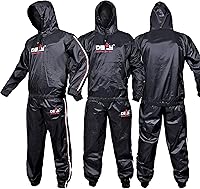
 Best for lightweight workout layers
Junlan Sauna Suit for Women Sweat Jacket

Sauna vs steam room after workout: which is better?
A sauna is the better starting point for most people who prefer dry heat, while a steam room is better for those who prefer humid air. Neither option is automatically better for muscle recovery or weight loss.
Dry sauna air allows sweat to evaporate more readily than humid air. That can make the room feel less damp, although high heat can still place a strong demand on your body.
Steam rooms surround you with humid air. You may sweat heavily, but the moisture in the air makes evaporation less effective, so the heat can feel close and intense.
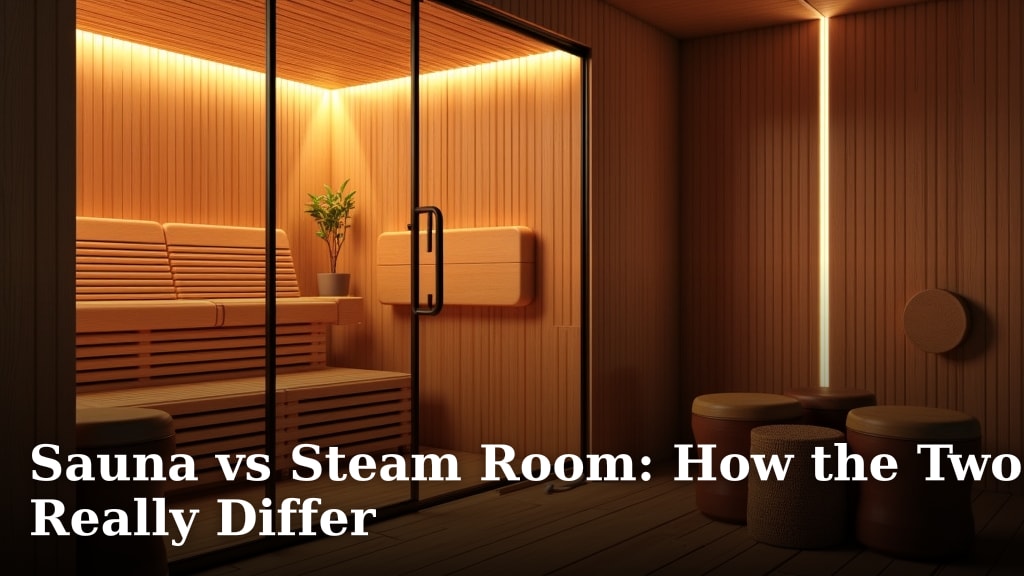
If you want a broader comparison of the rooms themselves, read Sauna vs Steam Room: How the Two Really Differ. For a wider overview of sauna styles, see [What Type of Saunas Are There?
A Simple Guide](/what-type-of-saunas-are-there/).
What changes after exercise?
Your body is already warm and losing fluid after a workout, so post-workout heat requires more caution than a casual relaxation session. Wait for your breathing and heart rate to settle before entering either room.
Exercise raises body temperature and increases sweating. Adding heat straight away can make it harder to notice when you are becoming overheated or dehydrated.
Walk slowly, cool down and drink water first. You don't need to stay until you produce more sweat, since sweat volume does not measure recovery quality.
A short first session gives you useful information about your tolerance. Leave if you feel dizzy, nauseated, weak, confused or unusually short of breath.
The guide on should i sauna before or after workout explains why timing matters and how to think about heat around training.
When should you choose a sauna?
Choose a sauna after a workout if you want dry air, a less damp room and a familiar heat experience. It can be a practical option when humid air feels heavy or uncomfortable.
A sauna may suit you if you dislike wet skin or want to sit in a room without the dense feel of steam. The lower humidity can also make perspiration feel less sticky.
Keep the session modest, especially after hard cardio, long training or outdoor exercise in hot weather. Your post-workout condition matters more than the room's label.
Don't use a sauna to extend a demanding workout. Heat can add stress after exercise, so treat the session as optional relaxation rather than another training block.
Traditional and infrared rooms feel different. Compare them with infrared sauna vs steam sauna before choosing a home setup.
When should you choose a steam room?
Choose a steam room after a workout if you prefer humid air and find dry sauna heat irritating. The damp environment can feel soothing to some people, but it may feel oppressive to others.
Steam reduces the rate at which sweat evaporates from your skin. That can make the room feel hotter than expected, even if the displayed temperature does not seem extreme.
Enter only after your breathing has settled. If humid air makes breathing uncomfortable, leave rather than trying to adjust to it.
A steam room also needs careful hygiene and ventilation. Sit on a clean towel where required, avoid touching your face and follow the facility's rules.
For the basics of wet heat, read What Is a Steam Room? Wet Heat, Simply Put.
If you are planning a backyard setup, What Is an Outdoor Sauna? Backyard Heat Rooms covers the main layout questions.
Does either option improve muscle recovery?
A sauna or steam room may help you relax after training, but heat alone does not guarantee faster muscle recovery. Recovery still depends on rest, fluids, food and the workload you placed on your body.
Heat can make you feel loose and relaxed. That feeling is useful, but it should not be confused with proof that damaged muscle has recovered.
Drink according to your thirst and replace fluids after heavy sweating. A meal with carbohydrates and protein may also fit your normal recovery plan, depending on the session and your dietary needs.
People with heart, blood pressure, breathing or other health concerns should ask a clinician before using intense heat. Pregnancy, illness and medication can also change heat tolerance.
Which room is easier on breathing?
A dry sauna may suit you better if humid air feels difficult, while a steam room may feel more comfortable if you prefer moist air. There is no universal answer because breathing comfort varies.
Steam can feel soothing to some people, but humidity can also make the air feel thick. A sauna can feel easier for one person and too dry for another.
Don't use either room to push through coughing, wheezing, chest tightness or shortness of breath. Exit, cool down and get medical advice if symptoms persist or feel serious.
Try a normal-temperature recovery period first. You can decide whether heat feels helpful once your breathing has returned to its usual post-workout level.
Can a sauna suit replace a sauna or steam room?
A sauna suit is a workout layer, not a room, and it cannot reproduce the same dry or humid environment. Its main effect is trapping more warmth around the body during activity.
The Junlan women's jacket is described as thin like a windbreaker rather than bulky like neoprene. Its fabric, elastic waistband and cuffs are intended to retain body heat during gym, indoor, outdoor and daily activities.
Use a heat-trapping layer carefully during exercise. It can increase perspiration, but sweating is fluid loss and does not directly equal fat loss.
Stop early if you feel overheated.
The Junlan men's shirt is built around adjustable heat retention. Its hood, drawstring and hem can seal in warmth, while the reinforced underarm stitching is intended for movement during demanding training.
Neither product should be used as a reason to train harder than planned. Wear suitable clothing for the weather, keep water available and replace fluids after sweating.
How should you prepare for a post-workout heat session?
Cool down, drink water and check how you feel before entering a sauna or steam room. Preparation reduces the chance that you mistake dehydration or exhaustion for normal heat.
Wait until you can breathe comfortably and walk without feeling light-headed. Remove heavy workout layers and give your body time to stop producing intense exercise heat.
Don't enter immediately after alcohol, illness or a session that left you unusually weak. Avoid using heat as a way to force a lower scale number before an event.
Bring water for before and after the session. A facility may have its own rules about drinks, towels and session length, so follow those instructions.
How do you choose between dry and humid heat?
Pick dry heat if you want a less damp room, and pick humid heat if you prefer moist air. Then adjust the decision for your breathing, hydration and comfort after that day's workout.
A sauna may be easier after a sweaty indoor session if you want skin to dry while you sit. A steam room may be appealing when the damp air feels more natural to you.
Your preferred room can change by season and workout type. A long outdoor run in hot weather may call for rest and rehydration instead of either heat option.
The right choice is the one you can leave feeling calm and stable. If you need to endure the room to feel that it “worked,” the session is too intense.
What safety checks matter at home?
A home sauna or steam room needs safe access, ventilation and a door that opens from inside without unnecessary difficulty. Follow the installation and operating instructions for the exact room.
Keep the floor and entry area clear. Water, sweat and condensation can create a slipping risk, especially around steam equipment.
Check that the door hardware works smoothly. If you are fitting or replacing hardware, this guide to a sauna door ball catch latch explains what to consider.
Keep heat sources, controls and electrical connections within the requirements for the room. Do not improvise around ventilation, wiring or moisture protection.
Think about who will use the room and how they will move in and out. A clear path helps when you feel warm, relaxed or a little unsteady after a session.
Ventilation is not only about comfort. It helps control moisture, reduce musty smells and keep the air moving as the room heats and cools.
Moisture needs regular attention in steam rooms in particular. Wipe down seating areas, dry the floor after use and check corners for water that does not drain away.
Electrical safety deserves the same steady care. Keep controls dry, check cords and connections for damage and follow the maker guidance for clearances around heaters.
If something trips, sparks, smells unusual or stops working, stop using the room and get it checked. Access matters for everyone, including guests and older users.
Test the latch, handle and hinges before first use and again after any repair or seasonal change. Keep the routine simple.
Clear the entry, check the door, run the ventilation, dry the space after use and note any fault at once.
Small checks take little time and make home heat sessions calmer and more predictable.
Final choice: sauna or steam room after a workout?
Choose the sauna if you prefer dry heat, and choose the steam room if humid air feels better. In both cases, wait until you have cooled down, drink water and leave at the first sign of overheating.
Pick the sauna for a drier, less damp session. Pick the steam room for humid air, but remember that sweat does not prove better recovery.
If you want heat during training instead, choose a suitable layer carefully. For a different heat-and-light comparison, read traditional sauna vs red light sauna before making a home wellness decision.
Start with the workout you have just finished. A short strength session, a long run and a sweaty class leave your body in different states.
The hotter and harder the session, the more reason to cool down, drink water and rest before adding heat. Think about how each room usually feels to you.
Dry heat may suit you if damp air feels thick or makes breathing uncomfortable. Humid heat may suit you if dry air feels harsh.
Do not use either room as a test of toughness. You do not need to stay in until you feel drained or light-headed to gain a benefit.
Leaving early while you still feel steady is a sensible way to learn your limits. Hydration should come before heat, not after it.
Drink water as part of your cool down and keep drinking after the session if you have sweated heavily. Food, sleep and normal rest still carry most of the recovery work after training.
If you prefer warmth during exercise rather than after it, a heat trapping layer is a different choice from a room. Use it lightly, keep water close and stop if you feel faint, confused, sick or unusually unwell.
Safety checks apply at home and in a shared facility alike. Follow the room rules, use a clean towel where required and keep the way out clear.
If you have a health condition, are pregnant, ill or taking medication that affects heat tolerance, ask a clinician first. Make the final choice easy to repeat.
Pick the room you tolerate best, keep sessions modest at first and notice how you feel afterwards. A calm exit, steady breathing and a return to normal energy matter more than the amount of sweat produced.
Frequently asked questions
Is a sauna or steam room better after a workout?
A sauna is usually the simpler choice if you prefer dry heat, while a steam room suits you if humid air feels more comfortable. Neither replaces water, food or rest after exercise.
Start with a short session, leave if you feel unwell and cool down gradually.
How long should you wait before using a sauna after exercise?
Wait until your breathing and heart rate have settled, then drink water before entering. A short session is a safer starting point than staying until you feel exhausted.
Leave immediately for dizziness, nausea, weakness, chest discomfort or trouble breathing, and seek medical help when needed.
Can a steam room help you recover after exercise?
A steam room may feel relaxing after exercise because humid heat warms the skin and airways, but sweating does not prove faster muscle recovery. Rehydration, sleep, a balanced meal and a suitable cool-down remain the foundation.
People with health conditions should ask a clinician first.
Can you use a sauna suit after a workout?
A sauna suit adds heat and increases perspiration during exercise, but sweat loss is mainly fluid loss, not direct fat loss. Use a light layer only if you tolerate it, avoid pushing through overheating and replace fluids after training.
Stop if you feel faint, confused or sick.