Sauna vs Steam Room: How the Two Really Differ
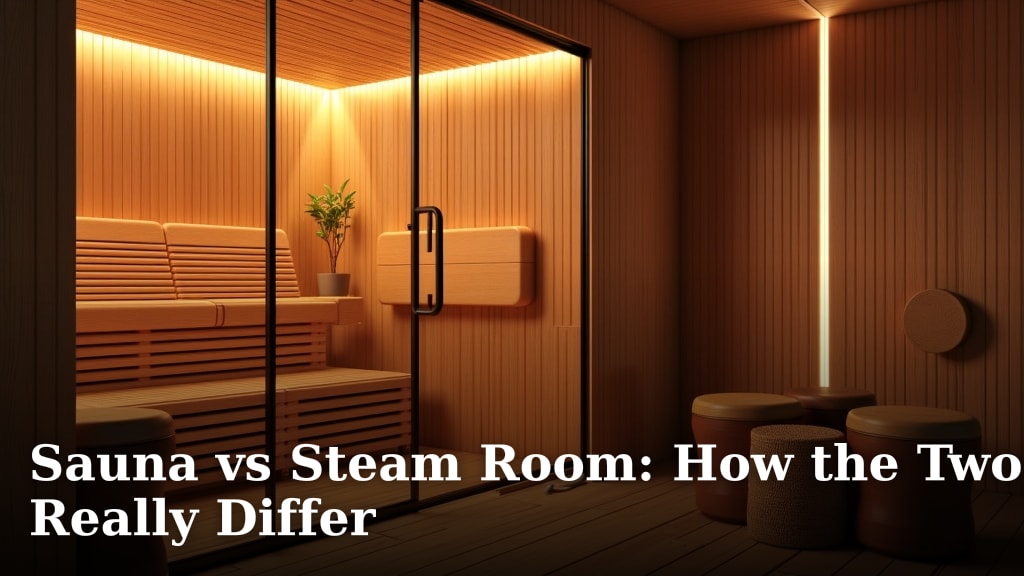
The main difference between a sauna and a steam room is the type of heat and humidity they provide. A sauna uses dry heat, often from heated rocks, while a steam room uses wet heat from a steam generator. Both offer unique wellness benefits.
You might be wondering which one is right for you. Both environments can help you relax and potentially ease muscle soreness. Understanding their distinct heat types and humidity levels can help you choose the perfect one for your needs.
- Saunas offer dry heat with low humidity.
- Steam rooms provide wet heat with high humidity.
- Both can help you relax and de-stress.
- Choose based on your heat preference and desired humidity.
Let’s break down exactly how these two relaxing spaces differ so you can pick the best one for your next spa day.
Here’s the main body content for your blog post:Understanding the Heat: Sauna vs. Steam Room Differences
You’re probably here because you’ve seen both saunas and steam rooms at gyms, spas, or even considered installing one at home. They both promise relaxation and a good sweat. But what’s really going on inside each of them? The core difference boils down to the type of heat and humidity they create. Think of it like this: one is a dry desert heat, and the other is a tropical rainforest mist.
We’ve found that people often choose between a sauna and a steam room based on personal preference for heat and humidity. Understanding these distinctions is key to knowing which one might feel best for your body and your relaxation goals. Let’s get into the nitty-gritty.
What Exactly is a Sauna?
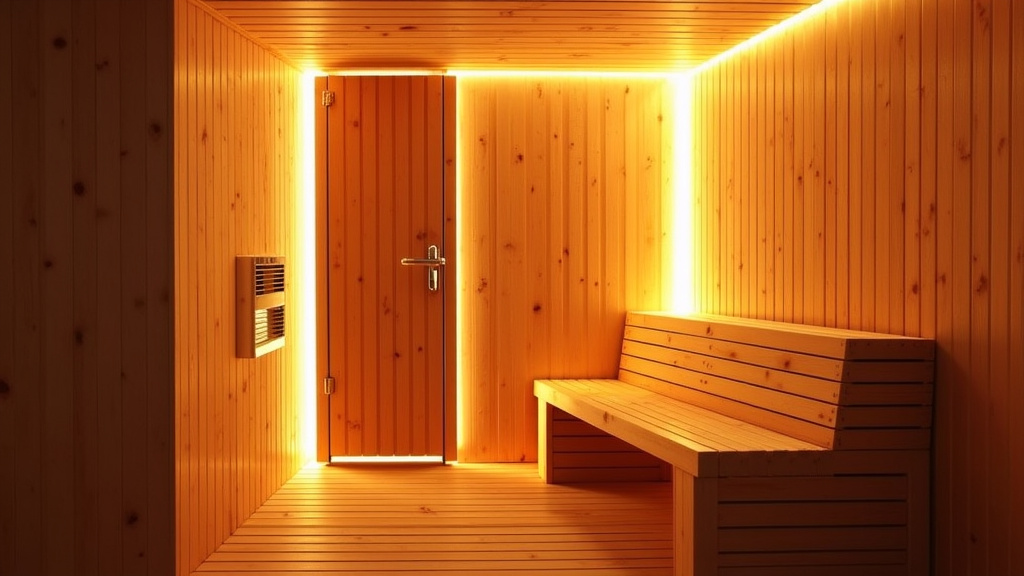
A traditional sauna uses dry heat. You’ll typically find a stove that heats rocks, and water might be ladled onto these rocks to create bursts of steam. This isn’t the constant, enveloping steam of a steam room, though. It’s more for occasional aromatic boosts or a temporary increase in humidity.
How Does a Sauna Work?
Saunas heat the air around you to high temperatures, usually between 150°F and 195°F (65°C to 90°C). The humidity level in a traditional sauna is quite low, often around 5% to 20%. This dry heat makes the temperature feel more tolerable for longer periods.
The Heat Source
The heat in a sauna comes from a special heater. These can be electric, wood-burning, or infrared. Electric and wood-burning saunas heat rocks directly. Infrared saunas use light waves to heat your body directly, bypassing the need to heat the air to the same extent. We found that infrared saunas tend to operate at lower ambient temperatures, typically 120°F to 150°F (50°C to 65°C). The heat in a sauna comes from a special sauna heater, which can be electric, wood-burning, or infrared.
The Feeling of Dry Heat
When you’re in a sauna, the heat feels intense but dry. Your sweat evaporates quickly, which is your body’s natural cooling mechanism. This constant evaporation can make the heat feel less oppressive than you might expect, even at high temperatures. It’s a sensation of being warmed from the outside in.
Benefits of Sauna Use
Research suggests that using a sauna can offer several health perks. For instance, frequent sauna use has been linked to improved cardiovascular health. One study, published in the Journal of the American Medical Association, followed Finnish men and found that those who used saunas frequently had a lower risk of sudden cardiac death and fatal cardiovascular events.
Many users report that saunas help them relax and relieve muscle tension. The heat can increase blood flow, which might help soothe sore muscles after a workout. Some people also find the quiet, warm environment conducive to a clear mind and reduced stress levels.
What Exactly is a Steam Room?
A steam room, also known as a Turkish bath, is all about high humidity. Instead of dry heat, you’re enveloped in a warm, moist cloud. The temperature is usually lower than in a sauna, but the feeling of wet heat can be quite intense.
How Does a Steam Room Work?
Steam rooms create their environment using a steam generator. This machine boils water and pumps the resulting steam into the room. Temperatures typically range from 110°F to 120°F (43°C to 49°C). However, the humidity is close to 100%, making the air feel very thick and moist.
The Steam Generator
The heart of a steam room is its generator. This unit is constantly producing steam to maintain the high humidity and comfortable temperature. These rooms are usually constructed with non-porous materials like tile or glass to prevent moisture absorption and damage. It’s a very different approach to creating a heat experience.
The Feeling of Wet Heat
Walking into a steam room feels like stepping into a warm, damp cloud. The 100% humidity means sweat doesn’t evaporate from your skin. Instead, it tends to bead up and run off. This can make the experience feel more intense, even at lower temperatures compared to a sauna. You might feel like you’re sweating more profusely.
Benefits of Steam Room Use
The high humidity in steam rooms is thought to be particularly beneficial for respiratory health. Many people find that breathing in the warm, moist air can help loosen congestion and clear nasal passages. Some studies suggest it could offer relief for conditions like bronchitis or sinusitis, though more research is needed (Cleveland Clinic).
Like saunas, steam rooms are excellent for relaxation and muscle recovery. The moist heat can penetrate muscles, helping to ease soreness and stiffness. People often emerge feeling refreshed and with softer, more hydrated skin due to the constant exposure to moisture. It’s a deeply immersive, warming experience.
Key Differences at a Glance
Let’s lay out the main distinctions side-by-side. This should help you see how different they truly are in their function and feel.
| Feature | Sauna | Steam Room |
|---|---|---|
| Heat Type | Dry Heat | Wet Heat |
| Temperature Range | 150°F – 195°F (65°C – 90°C) (Infrared: 120°F – 150°F / 50°C – 65°C) |
110°F – 120°F (43°C – 49°C) |
| Humidity Level | 5% – 20% | Close to 100% |
| How Heat is Produced | Heated rocks (electric/wood), infrared lamps | Steam generator |
| Primary Feeling | Intense dry heat, sweat evaporates quickly | Enveloping moist heat, sweat beads up |
| Commonly Believed Benefits | Cardiovascular health, muscle relaxation, stress relief | Respiratory relief, skin hydration, muscle relaxation, stress relief |
Which One is Right for You?
Deciding between a sauna and a steam room often comes down to your personal comfort and what you hope to achieve. Do you prefer intense, dry heat, or do you find moist heat more soothing?
Consider Your Heat Preference
If you find the feeling of dry heat invigorating and don’t mind sweat evaporating quickly, a sauna might be your preference. Many people enjoy the sensation of intense heat that doesn’t feel as heavy. If you’re sensitive to very high temperatures, you might opt for an infrared sauna, which offers a gentler, yet still effective, warmth.
Consider Your Humidity Preference
On the other hand, if you love the feeling of moist air, perhaps like being in a warm, steamy shower, a steam room could be your perfect escape. The constant humidity can feel incredibly soothing, especially for your skin and sinuses. Some find the 100% humidity more relaxing than the dry heat of a sauna.
Consider Your Health Goals
If you’re primarily looking for cardiovascular benefits or a general sense of deep warming, a sauna is often recommended. If your main concern is respiratory congestion or you’re looking for an experience that might help hydrate your skin, a steam room could be the better choice. Both offer stress relief and muscle relaxation, making them excellent for overall well-being.
A Simple Checklist to Help You Decide:
Ask yourself these quick questions to guide your choice:
- Do I prefer intense heat or moderate heat?
- Does dry air or moist air feel better on my skin?
- Am I looking for potential respiratory relief?
- Do I want my sweat to evaporate quickly or bead up?
- What kind of environment helps me relax the most?
Ultimately, the best way to know is to try both! Many spas and gyms offer access to both saunas and steam rooms. Experiencing each one will give you the clearest idea of which environment you find most beneficial and enjoyable for your relaxation and wellness routine. Your body will often tell you which one feels just right.
Conclusion
You’ve learned the core differences between saunas and steam rooms: dry heat versus wet heat. Saunas offer intense dry warmth, great for deep muscle relaxation and potential cardiovascular benefits. Steam rooms provide a moist, enveloping heat, often favored for respiratory relief and skin hydration. Your choice really depends on what feels best for your body and your wellness goals. Don’t guess – the best way to decide is to experience both! Visit your local spa or gym and see which environment leaves you feeling most refreshed and rejuvenated.
Frequently Asked Questions
Can I use a steam room if I have dry skin?
Yes, many people with dry skin find steam rooms beneficial. The high humidity can help to hydrate your skin, leaving it feeling softer and more supple. It’s like giving your skin a warm, moist drink.
Is a sauna or steam room better for weight loss?
Both can cause temporary water weight loss due to sweating. However, neither is a direct method for fat loss. Your body loses water, which you rehydrate by drinking. Sustainable weight loss comes from diet and exercise.
Are infrared saunas the same as traditional saunas?
No, they differ in how they heat you. Traditional saunas heat the air around you, while infrared saunas use light waves to warm your body directly. This means infrared saunas can operate at lower temperatures.
What should I wear in a sauna or steam room?
Typically, you’ll wear a swimsuit or a towel. Some people prefer to go nude and use a towel for privacy and comfort. Check the specific rules of the facility you are visiting.
Can I use essential oils in a steam room or sauna?
In traditional saunas, you can sometimes add a few drops of water to the hot rocks for aromatic steam. However, essential oils are generally not recommended for steam rooms as the intense moisture can damage the generator. Always check with the facility before adding anything.