Sweat Lodge vs Sauna: Two Very Different Rooms
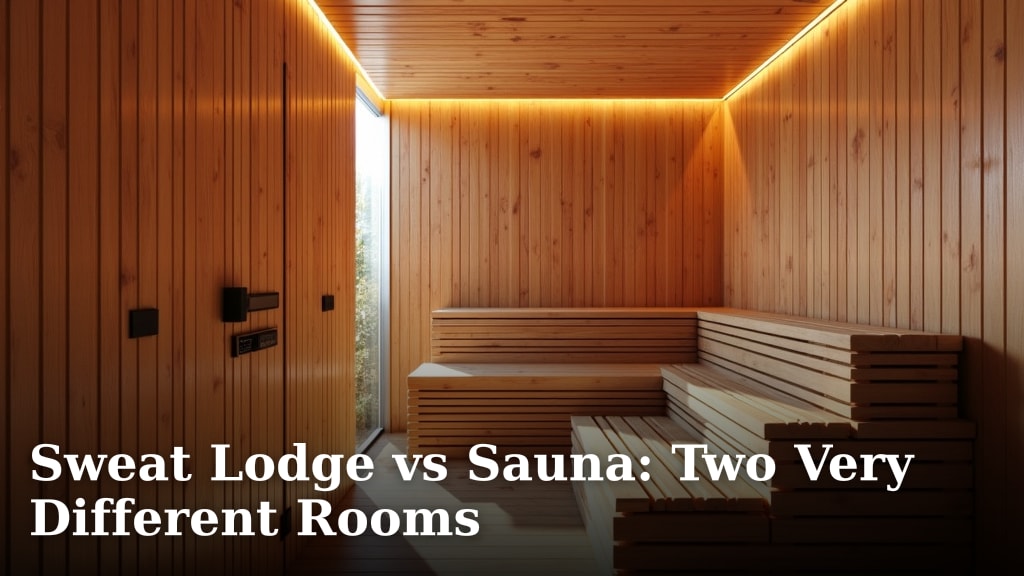
When you’re looking for a way to relax and detox, you might wonder about the differences between a sweat lodge and a sauna. While both involve heat, a sweat lodge is typically a more intense, traditional ceremony with steam, often conducted outdoors. A sauna is usually a heated room, often dry or with mild steam, found indoors. Understanding this key difference helps you choose the right experience for your needs.
Many people associate sweat lodges with Indigenous spiritual practices, emphasizing a connection to nature and a communal experience. Saunas, on the other hand, are more commonly associated with Scandinavian culture and offer a straightforward way to enjoy heat therapy. Both can offer benefits, but the intensity and setting are vastly different, impacting the overall experience and potential outcomes for your well-being.
- Sweat lodges are intense, traditional ceremonies using steam.
- Saunas are heated rooms, usually dry or with mild steam.
- Sweat lodges often have spiritual or ceremonial significance.
- Saunas are more about simple heat therapy and relaxation.
- The setting and intensity are the biggest distinctions.
We’ve researched the core differences between these two popular heat experiences. Let’s break down what makes each one unique so you can decide which might be better for you.
Understanding the Heat: Sweat Lodges vs. Saunas
You’re curious about heat therapy, but what’s the real difference between a sweat lodge and a sauna? We’ve got you covered. While both use heat to make you sweat, they are quite different experiences. Think of it like comparing a cozy fireside chat to a lively outdoor festival. One is about quiet warmth, the other about a powerful, often spiritual, gathering. We’ve researched the core distinctions to help you decide which might be right for your next wellness moment.
The Sweat Lodge: A Journey of Steam and Tradition
Sweat lodges are deeply rooted in ancient traditions. Many Indigenous cultures around the world have their own versions. These ceremonies often involve a small, enclosed space. This space is usually built from natural materials like earth, wood, and branches. The goal is to create a cozy, womb-like environment for participants. It’s a place for reflection, healing, and connection.
What Happens Inside a Sweat Lodge?
The magic of a sweat lodge often starts with the heat source. Hot rocks are heated in a fire outside the lodge. These rocks are then carefully brought inside. Water is poured over the hot rocks, creating thick, moist steam. This steam fills the lodge, raising the temperature dramatically. You’ll likely feel intensely hot and very humid. It’s designed to make you sweat profusely.
Participants sit together inside the lodge. The ceremony is often led by an elder or experienced facilitator. They guide the session with prayers, songs, and stories. The experience is usually broken into rounds. After each round, the door might be opened briefly to let in fresh air and allow people to rest or leave if needed. This process repeats several times. It’s a shared experience, promoting unity and mutual support among those present.
The Purpose and Experience
A sweat lodge experience is rarely just about getting hot. It’s often seen as a purification ritual. Many believe it helps cleanse the body of toxins. It’s also considered a powerful way to cleanse the mind and spirit. Participants may come seeking clarity, healing from emotional pain, or a deeper spiritual connection. The intense heat and shared experience can bring about profound feelings of release.
The connection to nature is also a big part of it. The materials used, the outdoor setting, and the focus on natural cycles all play a role. It’s a reminder of our place in the natural world. The experience can be physically challenging. It requires mental fortitude and a willingness to surrender to the heat and the process. Many find it deeply rewarding, leaving feeling refreshed and renewed.
The Sauna: A Warm Retreat for Relaxation
Saunas offer a different kind of heat experience. They are most commonly associated with Scandinavian culture. Think of it as a cozy, heated room designed for relaxation and health benefits. While sweat lodges are often outdoor ceremonies, saunas are typically found indoors. They can be a feature in homes, gyms, spas, or public bathhouses.
Types of Saunas and How They Work
There are a few main types of saunas. The most traditional are To understand Finnish saunas better, learn about the essential parts of a sauna.Finnish saunas. These use a stove, often wood-burning or electric, to heat rocks. Water can be ladled over the rocks to create bursts of steam, known as “löyly.” However, many Finnish saunas are used in a dry heat setting, with temperatures reaching up to 195°F (90°C).
Another popular type is the infrared sauna. Instead of heating the air, infrared saunas use special lamps to emit infrared light. This light directly heats your body. The air temperature in an infrared sauna is much lower, usually around 120-140°F (50-60°C). Because the heat penetrates deeper into your tissues, you can still sweat a lot. Some people prefer this gentler, more targeted heat.
The Benefits of Sauna Use
Saunas are primarily sought for their relaxation and stress-relief benefits. The warmth can soothe muscles and ease tension. Many people find spending time in a sauna helps them unwind after a long day. It’s a quiet space to decompress and clear your head. The heat can also improve circulation. Increased blood flow is good for overall cardiovascular health.
Research suggests sauna use may have other benefits too. Some studies indicate it can help with temporary relief of minor aches and pains (National Institutes of Health). The sweating process itself can help cleanse the skin. However, it’s important to stay hydrated. Many experts recommend drinking plenty of water before, during, and after a sauna session to prevent dehydration.
Key Differences at a Glance
Let’s break down the main distinctions in a clear way. While both involve heat, the *how*, *why*, and *where* are quite different.
| Feature | Sweat Lodge | Sauna |
|---|---|---|
| Environment | Intense, humid steam; often outdoors; natural materials | Dry heat or mild steam; typically indoors; manufactured room |
| Temperature & Humidity | Very high heat with high humidity | Can range from moderately warm to very hot; heat can be dry or humid |
| Purpose | Spiritual cleansing, healing, purification, connection | Relaxation, stress relief, muscle soothing, general well-being |
| Ceremony/Structure | Often a guided, structured ceremony with spiritual elements | Individual or small group use; self-directed relaxation |
| Cultural Origin | Indigenous traditions worldwide | Primarily Scandinavian traditions |
Setting and Intensity: The Big Picture
The biggest difference you’ll notice is the setting and intensity. A sweat lodge is a powerful, immersive ceremony. It’s often communal and deeply meaningful. The heat is generated by steam, making it feel much hotter and more humid than most saunas. It’s an experience that engages all your senses and often touches your spirit.
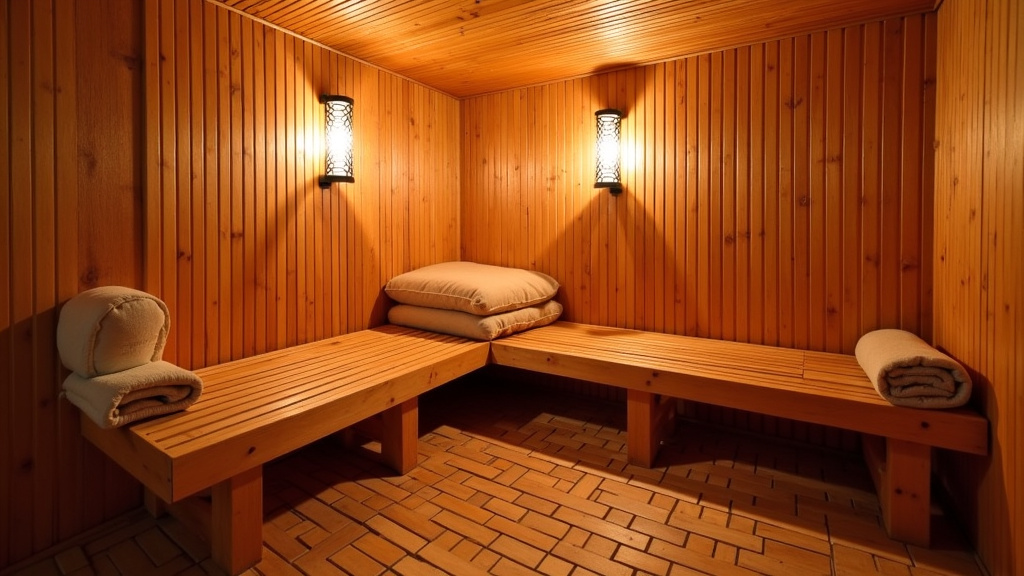
A sauna, on the other hand, is more about controlled comfort and personal relaxation. You can often adjust the heat or steam to your liking. It’s a more personal retreat. While saunas can certainly make you sweat and feel refreshed, they typically lack the intense spiritual and ceremonial depth of a sweat lodge. It’s a difference in focus – one is a journey, the other a restorative pause.
Choosing the Right Experience for You
So, which one should you try? Consider what you’re looking for. If you seek a profound, traditional, and possibly spiritual experience, a sweat lodge might be your path. It’s for those who want to connect with ancient practices and engage in a deep, communal cleansing. Be prepared for an intense physical and emotional journey.
If your goal is straightforward relaxation, muscle relief, and a quiet escape, a sauna is likely a better fit. It’s accessible, generally less intense, and can be easily incorporated into a regular wellness routine. You can choose the type of sauna that best suits your comfort level. Think about your personal preferences and what kind of outcome you desire from your heat therapy session. Both can be wonderful in their own ways!
Quick Checklist for Your Heat Therapy Journey
Before you dive into either experience, here are a few things to consider:
- Hydration: Always drink plenty of water beforehand.
- Listen to Your Body: Don’t push yourself too hard.
- Consult a Doctor: If you have health concerns, check with your physician.
- Modesty: Understand the expected attire or covering for the specific setting.
- Respect: Be mindful of the cultural or ceremonial significance, especially in a sweat lodge.
- Aftercare: Plan for a cool-down period and continued hydration.
Conclusion
You now understand that while both sweat lodges and saunas offer heat for relaxation and well-being, they are distinct experiences. A sweat lodge is a deeply traditional, often spiritual ceremony focused on intense steam, purification, and communal connection. A sauna provides a more controlled, typically indoor environment for relaxation and muscle soothing, whether through dry heat or mild steam. Consider your personal goals—whether you seek a powerful ritual or a quiet escape—to choose the experience that best fits your needs. Listen to your body and enjoy your chosen path to refreshment!
Frequently Asked Questions
Can I use a sweat lodge if I’ve never done anything like it before?
Sweat lodge ceremonies are often intense and spiritually significant. It’s recommended to approach your first experience with respect and perhaps with guidance from an experienced facilitator or a trusted friend. Be prepared for a physically and emotionally challenging journey.
Are saunas safe for everyone?
For most healthy adults, saunas are safe and beneficial for relaxation. However, if you have any underlying health conditions, especially heart issues or are pregnant, it’s wise to consult your doctor before using a sauna.
What’s the main difference in the heat itself between a sweat lodge and a sauna?
The primary difference is humidity. Sweat lodges use significant steam generated from hot rocks, creating a very humid and intense heat. Saunas typically offer dry heat, though some allow for small amounts of steam.
How long should I stay in a sweat lodge or sauna?
In a sweat lodge, sessions are usually guided in rounds with breaks. For saunas, start with 10-15 minutes and gradually increase time as you get comfortable. Always listen to your body and leave if you feel unwell.
What is the purpose of the water poured on rocks in a sweat lodge versus a sauna?
In a sweat lodge, water poured on rocks creates the intense, thick steam that is central to the purification ritual. In a Finnish sauna, water creates bursts of steam called “löyly” for a more traditional, yet less intense, humidifying effect.