What Is a Steam Room? Wet Heat, Simply Put

A steam room is an enclosed space that generates moist heat. It’s basically a small, tiled room filled with steam. Think of it like a sauna, but with water vapor instead of dry heat. You’ll often find them in gyms and spas for relaxation and health benefits.
These rooms work by using a steam generator. This device heats water and releases it as warm, humid air. The constant flow of steam keeps the temperature high and the air very moist. This wet heat experience is quite different from dry saunas.
- A steam room is a tiled enclosure filled with moist heat.
- It uses a generator to produce warm, humid air.
- The heat is wet, unlike the dry heat of a sauna.
- Steam rooms are commonly found in gyms and spas.
Now that you know the basics, let’s walk through exactly what a steam room is and how it feels.
So, you’ve heard about steam rooms, maybe seen them at the gym or a spa, and you’re wondering what exactly they are. Let’s break down this steamy sanctuary. A steam room is essentially a small, enclosed space built to be filled with warm, moist air. Imagine stepping into a cloud that feels like a gentle, warm hug all over your body. It’s a place where humidity reigns supreme, creating a unique kind of heat.
Understanding the Wet Heat Experience
Think of a steam room as a little slice of moist paradise. It’s designed to reach high humidity levels, often close to 100%. This means the air feels heavy with water vapor. Unlike a dry sauna, where the heat is dry and can feel quite intense on your skin, a steam room’s heat is more about surrounding you. It’s a gentle saturation of warmth that penetrates deeply.
How the Steam is Made
The magic behind a steam room is a steam generator. This is a piece of equipment, usually hidden away, that heats water. It boils the water and then pumps the resulting steam into the room. This process is continuous. The generator keeps adding steam to maintain the high humidity and temperature. It’s this constant flow that ensures the room stays steamy and warm, usually between 100°F and 110°F (38°C to 43°C).
Materials Matter
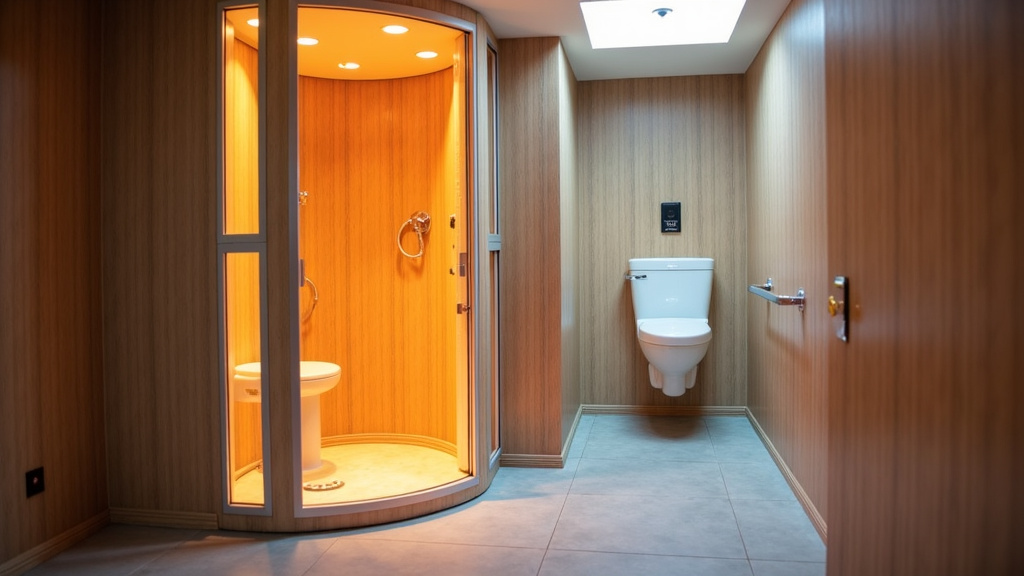
You’ll notice that steam rooms are typically built with non-porous materials. We’re talking about tiles, glass, and acrylic. This is important because these materials don’t absorb moisture. They can handle the constant humidity without damage. They also make cleaning much easier, which is a big plus for keeping the room hygienic.
The Difference Between Steam Rooms and Saunas
This is where many people get confused. The main difference is the type of heat. A steam room offers wet heat, as we’ve discussed, with high humidity. A traditional sauna, on the other hand, provides dry heat. Saunas often use hot rocks that are heated by a stove. You might pour water on these rocks to create a burst of steam, but the overall environment is much drier than a steam room. We found that the sensation of wet heat versus dry heat can feel very different, with some people preferring one over the other.
Here’s a quick way to remember the distinction:
| Feature | Steam Room | Sauna |
|---|---|---|
| Type of Heat | Wet (High Humidity) | Dry (Low Humidity) |
| Temperature Range | 100°F – 110°F (38°C – 43°C) | 150°F – 195°F (65°C – 90°C) |
| How Heat is Produced | Steam Generator | Heated Rocks/Stove |
| Feeling | Gentle, moist, enveloping | Intense, dry, penetrating |
What to Expect When You Step Inside
Entering a steam room is an experience for the senses. The first thing you’ll notice is the dense fog. It’s like stepping into a warm, humid cloud. The air is thick with moisture. You’ll feel it on your skin immediately. The temperature is warm, but because of the humidity, it can feel warmer than it actually is. This is a phenomenon known as heat index or apparent temperature.
The Sensation of Wet Heat
The wet heat feels different from dry heat. Instead of feeling like you’re being baked, you feel like you’re being gently enveloped. The moisture in the air helps to distribute the heat evenly across your body. This can make the heat feel more comfortable for some people. We found that the humidity can make your skin feel soft and hydrated. It’s a very soothing sensation.
Breathing in the Steam
The moist air can also make breathing feel easier for some. The humidity can help to loosen mucus in your nasal passages and chest. Many people report feeling more clear-headed after a session. It’s like your whole respiratory system gets a warm, soothing bath. However, it’s important to listen to your body. If you feel overheated or uncomfortable, it’s always best to leave the steam room.
The Physical Effects on Your Body
When you’re in a steam room, your body starts to react to the heat and humidity. One of the most noticeable effects is sweating. You’ll likely sweat a lot, much more than you might in a dry sauna. This is your body’s natural way of trying to cool itself down. The high humidity does make it harder for sweat to evaporate from your skin, which is why you might feel even hotter.
Your heart rate will likely increase, too. This is similar to what happens during exercise. Your blood vessels also tend to expand. This can improve circulation. We found that the combination of heat and increased blood flow can help muscles relax. This is why many athletes use steam rooms for recovery.
Benefits and Common Uses
People use steam rooms for a variety of reasons. Relaxation is a big one. The warm, humid environment is incredibly calming. It’s a great place to de-stress after a long day. Just sitting in the quiet, steamy room can help clear your mind. It’s like a mini-vacation for your brain.
Skin Health and Cleansing
The moist heat can be great for your skin. The steam helps to open up your pores. This can allow for a deeper cleanse. As you sweat, your body flushes out impurities. Many people find that their skin looks clearer and more radiant after a steam session. The hydration from the moist air can also leave your skin feeling soft and supple. Some studies suggest that improved circulation from heat can aid in skin repair and regeneration (National Institutes of Health).
Muscle Recovery and Joint Relief
As mentioned, the heat can help your muscles relax. This makes it a popular choice for athletes or anyone with sore muscles. The warmth can ease stiffness and reduce aches. For people with joint pain, like arthritis, the gentle heat might offer some relief. The increased blood flow can help carry oxygen and nutrients to the affected areas. This is often why warm compresses or baths are recommended for pain relief. A steam room takes this to a whole new level of immersion.
Respiratory Comfort
The humid air can be quite soothing for your airways. If you have congestion from a cold or allergies, breathing in the steam can help. It can loosen mucus and make it easier to clear your nasal passages and lungs. Some people find that it helps relieve sinus pressure and congestion. This is why steam inhalation is often recommended for respiratory issues, and a steam room provides a more immersive experience.
Making the Most of Your Steam Room Visit
To get the best experience from a steam room, there are a few things you can do. Staying hydrated is key. Drink plenty of water before you go in. You’ll be sweating, so replenishing fluids is important. Aim to drink a glass of water an hour before your session.
Prepare Yourself
Shower before you enter the steam room. This helps to clean your skin and remove any lotions or oils. These can clog your pores. It also means you’re starting with a clean slate for the steam’s cleansing effects. Make sure you’re wearing appropriate attire, typically a swimsuit or comfortable, breathable clothing.
During Your Session
Once you’re inside, take your time. Don’t rush the experience. Sit or recline comfortably. Breathe deeply and try to relax. If you start to feel dizzy, overheated, or uncomfortable, leave the room immediately. You can always come back later for a shorter session. A good starting point is usually 10-15 minutes.
After Your Session
After you leave the steam room, it’s a good idea to cool down gradually. You might want to take a cool shower. This helps your body temperature return to normal. Again, drink more water to rehydrate. Avoid strenuous activity right away. Let your body recover. You might find you feel very relaxed, so plan for some downtime.
Here’s a quick checklist for your next steam room visit:
- Drink plenty of water beforehand.
- Shower before entering.
- Set a timer for your session.
- Listen to your body and leave if uncomfortable.
- Cool down gradually afterward.
- Rehydrate with more water.
Conclusion
You now understand that a steam room is a cozy, tiled enclosure that surrounds you with warm, moist air. It’s a place designed for relaxation and potential well-being, distinctly different from a dry sauna. The gentle, enveloping heat helps your body relax and can offer benefits for your skin, muscles, and even your breathing. Ready to experience it yourself? Your next step is to find a local spa or gym offering steam rooms and schedule your first relaxing session. Remember to hydrate and listen to your body for the best results.
Frequently Asked Questions
Can I use a steam room if I have a cold?
Yes, many people find steam rooms helpful for relieving congestion when they have a cold. The warm, moist air can help to loosen mucus in your nasal passages and chest, making it easier to breathe. However, if you feel unwell or overheated, it’s always best to leave the steam room and rest.
How often can I use a steam room?
For most people, using a steam room 2-3 times a week is generally safe and beneficial. It’s important to listen to your body and avoid overuse, especially when you’re first starting out. Shorter, more frequent sessions might be better than very long ones if you’re new to it.
Is a steam room good for weight loss?
While you will lose water weight through sweating in a steam room, this is temporary and not true fat loss. The heat does increase your heart rate, which burns a few extra calories. However, a steam room is not a primary tool for significant weight loss. Focus on diet and exercise for lasting results.
What should I wear in a steam room?
It’s typical to wear a swimsuit or comfortable, breathable clothing that you don’t mind getting wet. Some people prefer to go nude. Whatever you choose, make sure it allows for comfort and doesn’t restrict your movement.
Can children use a steam room?
It is generally not recommended for young children or infants to use steam rooms. Their bodies are less able to regulate temperature, making them more susceptible to overheating. It’s best to consult with a pediatrician if you have concerns about children using steam rooms.