What Is an Outdoor Sauna? Backyard Heat Rooms
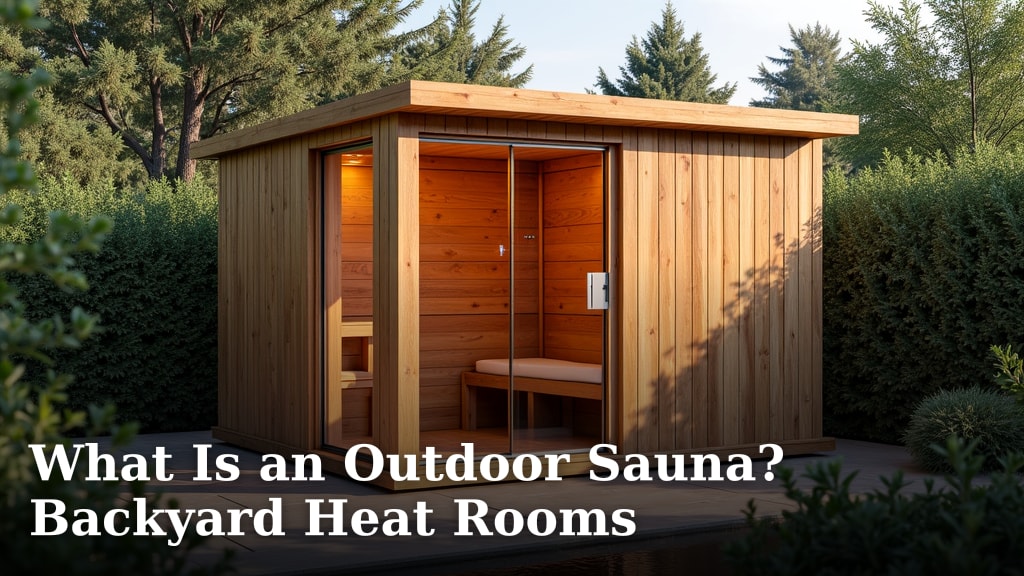
An outdoor sauna, often called a backyard heat room, is a dedicated structure built outside your home. It’s designed specifically for heat bathing and relaxation. Think of it as your personal spa retreat, right in your own yard. These rooms offer a private space to enjoy the health benefits of sauna use without needing to install one indoors. It’s a fantastic way to add a touch of luxury and wellness to your home.
These backyard heat rooms come in many shapes and sizes. You can find options made from various materials, most commonly wood like cedar or pine. They can be simple, single-room structures or more elaborate designs with changing areas. The core purpose remains the same: to provide a soothing environment for sweating and unwinding. Many people choose them for their convenience and the ability to disconnect from daily stresses.
- Outdoor saunas are separate structures for heat bathing in your yard.
- They provide a private and relaxing space.
- You can find them in various sizes and materials, often wood.
- They offer a convenient way to enjoy sauna benefits at home.
Ready to learn more about bringing this relaxing feature to your home? Below, we’ll break down exactly what goes into an outdoor sauna and what you should consider.
Understanding Your Backyard Heat Room
So, what exactly is an outdoor sauna? Simply put, it’s a separate structure built in your yard designed for heat bathing. Think of it as your own private oasis for sweating and relaxation. These heat rooms are not attached to your house. They can be small, cozy spaces or larger setups with more amenities. The main idea is to give you a dedicated spot to enjoy the benefits of a sauna experience.
What Makes an Outdoor Sauna Different?
The biggest difference is its location. Unlike an indoor sauna, which is built as part of your home’s structure, an outdoor sauna stands alone. This offers a few advantages. You don’t need to tear down walls or alter your home’s existing layout. Plus, stepping outside into the fresh air before and after your sauna session can be quite refreshing. It really separates you from your daily routine.
The Purpose of a Backyard Heat Room
The primary goal is relaxation and well-being. People use saunas for many reasons. Some seek the physical benefits, like muscle relaxation and improved circulation. Others use it as a mental escape, a quiet place to de-stress and recharge. It’s a way to bring a spa-like experience right to your home, making self-care more accessible. You can enjoy a good sweat session without the need for a gym membership or a public spa.
Key Components of an Outdoor Sauna
An outdoor sauna is more than just a wooden box. Several key features work together to create the right environment. Understanding these components helps you appreciate how they function and what to look for when considering one.
The Structure Itself: Materials and Design
Most outdoor saunas are made from wood. Common choices include cedar, pine, and spruce. Cedar is popular because it’s naturally resistant to rot and insects, and it has a pleasant aroma. Pine and spruce are often more budget-friendly options. The design can vary widely. You might find simple, barrel-shaped saunas that are compact and efficient. Others are more like small cabins, sometimes including a changing room or a small porch area. The roofing material also matters; it needs to be durable and waterproof to protect the wood structure from the elements.
Heating Methods: Wood-Burning vs. Electric Heaters
How does the sauna get hot? You have two main choices for heating: wood-burning stoves or electric heaters. Each has its own feel and requirements.
Wood-Burning Stoves: The Traditional Choice
Wood-burning stoves offer a very traditional sauna experience. They provide a distinct type of heat and aroma that many people love. Plus, they don’t require electricity, making them a good option if your yard setup is a bit remote. However, they need regular tending. You’ll need to load wood, manage the fire, and ensure proper ventilation. Safety is also a key concern with wood-burning stoves, as they get very hot and produce smoke.
Electric Heaters: Convenience and Control
Electric heaters are the modern, convenient option. You simply plug them in (or have them hardwired), set your desired temperature, and let them do the work. They are easy to use and maintain. You get consistent heat without the hassle of tending a fire. Electric heaters also offer precise temperature control. This makes it easy to achieve your preferred sauna conditions. The main requirement is access to electricity in your backyard.
Insulation and Ventilation: Keeping Things Just Right
Good insulation is vital for an outdoor sauna. It helps the heater work more efficiently by keeping the heat inside. This means your sauna will reach temperature faster and use less energy. Proper ventilation is also crucial. It ensures fresh air circulation and allows steam and heat to escape safely. Many saunas have adjustable vents for controlling airflow. This balance of insulation and ventilation ensures a comfortable and safe experience.
Interior Features: Benches and Lighting
Inside, you’ll typically find Learn more about wooden benches and other essential sauna parts in our detailed guide.wooden benches. These are usually tiered, allowing you to choose your preferred heat level. The higher you sit, the hotter it generally is. Lighting is often simple, sometimes just a single weather-resistant fixture. Some saunas might include small shelves or hooks for towels and water bottles. The focus is on a clean, functional space that enhances the heat bathing experience.
Setting Up Your Outdoor Sauna: Location, Location, Location
Where you place your backyard heat room is a big decision. The right spot can enhance its usability and enjoyment. Think about how you’ll use it and what surrounds it.
Choosing the Ideal Spot in Your Yard
Consider convenience first. You’ll want it relatively easy to access from your home, especially during colder months. Proximity to trees can offer shade in summer, but be mindful of falling branches or roots. Privacy is also important. You might want to place it where neighbors can’t easily see in. Think about the view, too. A pleasant view from inside can add to the relaxation. Ensure the ground is level and stable; you may need to pour a concrete pad or use a gravel base.
Foundation and Ground Preparation
Most outdoor saunas need a solid foundation. A concrete slab is a common and durable choice. It provides a stable, level surface and prevents moisture from seeping into the wood. Another option is using concrete piers or blocks to lift the sauna off the ground. This can improve air circulation underneath and help prevent rot. Gravel bases are also used, especially for lighter sauna models. Proper preparation ensures your sauna lasts for years.
Utilities: Power and Water Considerations
If you opt for an electric heater, you’ll need to run power to the sauna. This often requires a dedicated circuit and professional electrical work to ensure safety and code compliance. For wood-burning saunas, you need to consider ventilation and smoke direction. Ensure the chimney is properly installed and directs smoke away from your home and any seating areas. While most saunas don’t require plumbing, some high-end models might have optional features like a small sink or outdoor shower, which would involve water hookups.
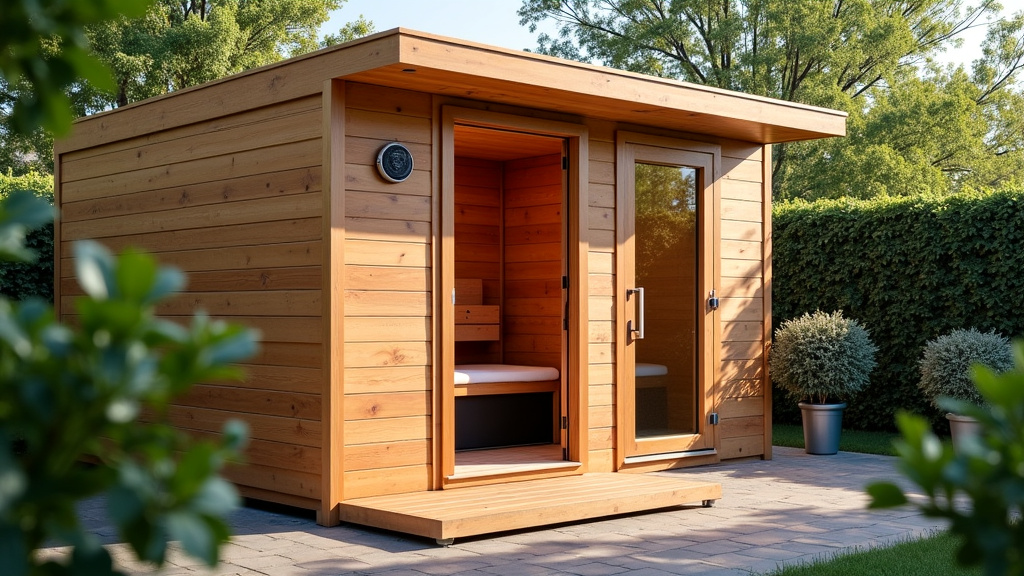
What to Look for When Buying an Outdoor Sauna
Ready to find the perfect backyard heat room? Here’s a quick checklist to guide your search. Focusing on these points will help you make a well-informed decision.
- Size and Capacity: How many people do you plan to use it with?
- Material Quality: Look for durable, weather-resistant wood like cedar.
- Heating System: Decide between wood-burning or electric based on your preference and convenience.
- Insulation and Ventilation: Ensure these are well-designed for efficiency and safety.
- Foundation Needs: Understand what kind of base is required.
- Assembly: Will it come pre-assembled, or will you need to put it together?
Choosing the right outdoor sauna is about finding a balance that fits your lifestyle and budget. It’s an investment in relaxation and your overall well-being. With careful consideration, your backyard heat room can become a cherished sanctuary.
Conclusion
You’ve learned that an outdoor sauna, or backyard heat room, offers a private retreat for relaxation and well-being. It’s a separate structure, often wood-built, that can be heated by traditional wood stoves or modern electric heaters. Proper insulation, ventilation, and a stable foundation are key for comfort and safety. Choosing the right location and considering practicalities like power needs will ensure you can fully enjoy your personal spa. Think about how you’ll use it most and what features are most important to you. Now, it’s time to find the perfect backyard heat room that fits your space and lifestyle. Discover what makes a Finnish heat room unique and its benefits.
Frequently Asked Questions
Do outdoor saunas require a lot of maintenance?
Maintenance depends on the heating method. Wood-burning saunas need regular cleaning of ash and chimney checks. Electric saunas require less hands-on upkeep, mainly keeping the interior clean and checking the heater’s connections. Both types benefit from regular wood treatment to protect against weather.
Can I use an outdoor sauna in winter?
Yes, many people enjoy outdoor saunas year-round, including in winter. The contrast between the hot sauna and cold air can be invigorating. Well-insulated saunas with efficient heaters will maintain a comfortable temperature even in freezing weather.
What kind of foundation does an outdoor sauna need?
Most outdoor saunas require a stable, level base. This could be a concrete slab, concrete piers, or a gravel pad. This foundation prevents the sauna from settling unevenly and protects the wood from ground moisture.
Are outdoor saunas safe to install near my house?
Safety is important. If using a wood-burning stove, ensure proper ventilation and clearance from your house to prevent fire hazards. For electric heaters, ensure safe electrical connections are made by a professional. Always follow manufacturer guidelines for placement and installation.
What are the benefits of having an outdoor sauna versus an indoor one?
An outdoor sauna provides a dedicated space separate from your home, enhancing the feeling of escape. It offers fresh air before and after sessions and doesn’t require altering your home’s interior. You also get to enjoy your backyard setting while relaxing.