What Is a Barrel Sauna? Why the Shape Is Round
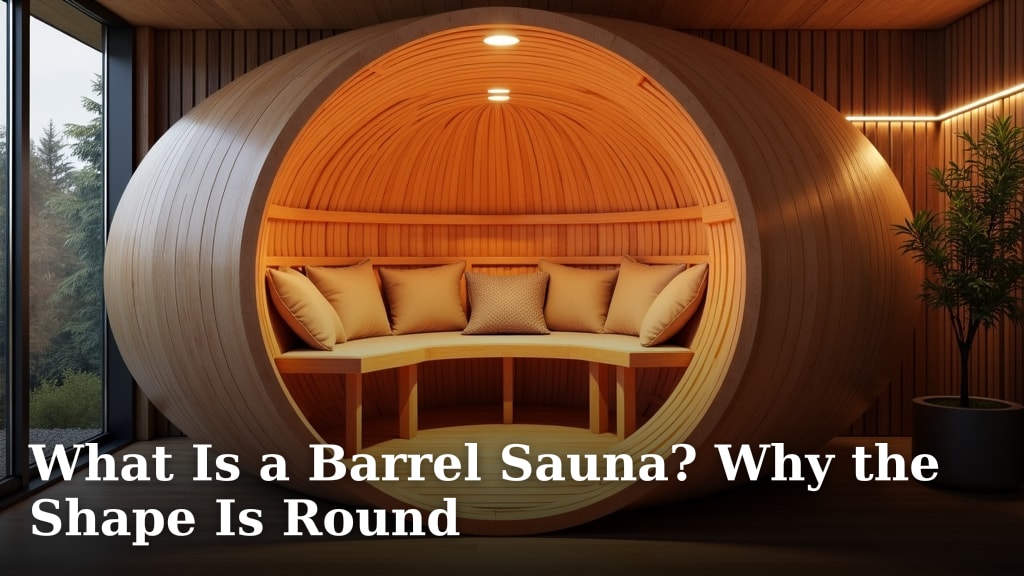
A barrel sauna is a type of outdoor sauna shaped like a barrel. Its unique design helps it heat up quickly and efficiently. The round shape is key to its excellent heat circulation.
You might see these saunas in backyards or at wellness centers. They are often made from wood, like cedar or spruce. This shape isn’t just for looks; it plays a big role in how the sauna functions, making it a popular choice for many.
- Barrel saunas are outdoor saunas with a round, barrel shape.
- The shape helps saunas heat up fast and circulate heat well.
- They are typically made from natural wood.
- This design offers a unique and efficient sauna experience.
Let’s look at what makes a barrel sauna special and why that round shape is so smart.
“`htmlUnderstanding the Barrel Sauna: A Deeper Look
You’ve seen them, perhaps even imagined yourself relaxing inside. But what exactly makes a barrel sauna unique? It’s not just about aesthetics; the very shape of this outdoor sauna is a smart design choice. We’re going to break down what a barrel sauna is and why its iconic round form is so effective.
A barrel sauna is a type of outdoor sauna. Its defining feature is its cylindrical shape, resembling an overturned barrel. This design is functional and helps create a specific sauna experience. They are typically made from wood and placed in backyards or wellness spaces.
Why the Barrel Shape? The Science Behind the Curve
The round shape of a barrel sauna isn’t just a whimsical choice. It’s a design that has been around for ages, proving its effectiveness. Let’s explore the practical reasons why this form is so popular and functional.
Efficient Heating and Airflow
One of the biggest advantages of the barrel shape is how it handles heat. Unlike a square or rectangular room, there are fewer corners for heat to get trapped or for cold air to linger. This means the heat circulates more evenly throughout the entire space.
Think of it like a convection oven. The round shape helps the warm air move continuously. This consistent airflow ensures that you get a uniform temperature everywhere inside. You won’t find cold spots. This uniformity contributes to a more pleasant and effective sauna session.
Reduced Interior Volume
Compared to a sauna with the same length and width but with a flat ceiling, a barrel sauna has a smaller interior volume. This is because the ceiling is curved. A smaller space means less air to heat.
What does this mean for you? It means your barrel sauna will heat up much faster than a similarly sized rectangular sauna. This saves energy and time. You can enjoy your sauna experience sooner.
Structural Integrity and Durability
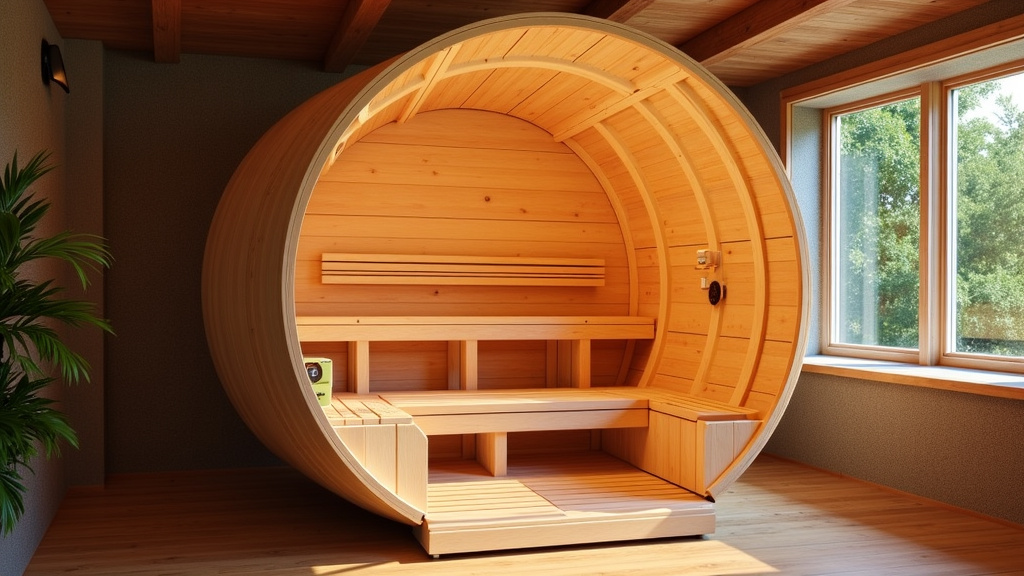
The curved walls of a barrel sauna provide excellent structural strength. The wood planks are often designed to fit together snugly, relying on the pressure of the rounded shape to stay in place. This creates a very stable and durable structure.
As the wood expands and contracts with changes in humidity and temperature, the barrel shape can accommodate these movements better than sharp corners. This can lead to less warping and fewer potential cracks over time. Many experts point to this as a key factor in their longevity (NCBI).
Natural Condensation Management
Water vapor (steam) in a sauna naturally rises and then cools as it hits cooler surfaces. In a barrel sauna, the curved ceiling helps direct this condensation downwards along the walls. This natural drainage means less water drips directly from the ceiling onto bathers.
This can make the sauna feel more comfortable. It also helps to keep the wooden interior drier when the sauna is not in use. Proper moisture management is important for wood structures.
Materials Commonly Used in Barrel Saunas
The wood used in constructing a barrel sauna is vital for its performance and longevity. Different types of wood offer unique benefits.
Cedar: A Popular Choice
Western Red Cedar is a frequent material for barrel saunas. We found that cedar is naturally resistant to rot and insects. It also has a wonderful aroma that many people find relaxing.
Cedar wood has a beautiful color and grain. It also tends to be quite stable, meaning it doesn’t warp or twist as much as some other woods. This stability is important for the integrity of the barrel shape.
Spruce and Pine Options
Other woods like spruce and pine are also used. These can be more budget-friendly options. They still offer a good sauna experience, though they might require a bit more maintenance over time.
We found that while spruce and pine are good, they might not offer the same level of natural resistance to decay as cedar. However, with proper care and sealing, they can still provide many years of enjoyment.
How a Barrel Sauna Compares to Other Sauna Types
You might be wondering how a barrel sauna stacks up against other common sauna designs. Understanding the differences can help you choose what’s best for you.
Infrared vs. Traditional Steam Saunas
Barrel saunas can be built to function as either traditional steam saunas or infrared saunas. A traditional sauna heats the air using a stove (electric or wood-burning) that heats rocks. Water is then poured on the rocks to create steam.
An infrared sauna uses infrared heaters to emit radiant heat. This heat directly warms the body rather than the air. Many experts suggest that infrared saunas operate at lower temperatures (Mayo Clinic).
The barrel shape is very well-suited for traditional saunas because of its excellent heat circulation. It can also be adapted for infrared models, though the shape’s primary benefits are most evident in traditional setups.
Outdoor vs. Indoor Saunas
Barrel saunas are almost exclusively outdoor saunas. This is largely due to their design and how they are typically heated. Placing them outdoors means you don’t need to worry about ventilation or moisture issues within your home.
We found that outdoor placement also allows you to enjoy the fresh air and scenery while you relax. It creates a more immersive natural experience. Indoor saunas, like those built into a bathroom, offer convenience but a different kind of ambiance.
Key Features and Considerations for Your Barrel Sauna
When you’re looking at barrel saunas, there are a few things to keep in mind to ensure you get the best experience.
Size and Capacity
Barrel saunas come in various sizes. You can find models designed for just one or two people, or larger ones that can comfortably seat four to six people. Consider how many people will typically use the sauna at once.
Heating Source (Electric vs. Wood-Burning)
For traditional barrel saunas, you’ll need to choose between an electric heater or a wood-burning stove. Electric heaters are convenient and easy to control. Wood-burning stoves offer a more traditional, rustic experience with a lovely aroma.
We found that the choice often comes down to personal preference and what’s practical for your location. Some areas may have restrictions on wood-burning stoves.
Ventilation System
Good ventilation is essential for any sauna. Barrel saunas usually have intake and exhaust vents. These help regulate the air quality and temperature inside. Proper ventilation ensures a safe and comfortable environment.
Installation and Maintenance
Most barrel saunas come as kits that require assembly. While some are designed for DIY assembly, others might require professional installation. It’s also good to research the maintenance needs of the specific wood type.
Here’s a quick checklist for what to consider:
- Confirm the size and seating capacity you need.
- Decide on your preferred heating source (electric or wood).
- Check the wood type and its durability.
- Understand the assembly or installation requirements.
- Factor in ongoing maintenance needs.
- Consider the location and foundation for your sauna.
By understanding these aspects, you can better appreciate why the barrel sauna’s design is so popular and effective for creating a relaxing and therapeutic space in your own backyard.
“`Conclusion
You’ve learned that a barrel sauna’s unique round shape isn’t just for show. This design smartly promotes efficient heating and even airflow, meaning your sauna warms up faster and feels more consistent. The curved structure also offers improved durability and helps manage condensation naturally. By understanding these benefits, you can better choose the right barrel sauna for your backyard sanctuary. Ready to experience it yourself? Start by looking at the different sizes and wood options available to fit your space and preferences.
Frequently Asked Questions
Do barrel saunas need a special foundation?
Yes, a level and stable foundation is recommended for your barrel sauna. A concrete pad, gravel base, or deck can work well to keep the sauna stable and prevent ground moisture from affecting the wood.
How long does it take a barrel sauna to heat up?
Thanks to their reduced interior volume and efficient airflow, barrel saunas heat up relatively quickly. You can typically expect them to reach your desired temperature in about 30 to 60 minutes, depending on the size and heater type.
Can I use a barrel sauna in winter?
Absolutely! Barrel saunas are excellent for winter use. The design helps retain heat effectively, and the contrast of the warm sauna against the cold outdoor air can be very invigorating.
What is the typical lifespan of a barrel sauna?
With proper care and maintenance, a well-built barrel sauna can last for many years, often 15 to 20 years or more. The natural resistance of woods like cedar to rot and insects contributes to their longevity.
Are barrel saunas difficult to assemble?
Most barrel saunas come as kits and are designed for assembly. While some may require two people and basic DIY skills, others are quite straightforward. Professional installation is also an option if you prefer.