What Is a Home Sauna? The Basics for Beginners

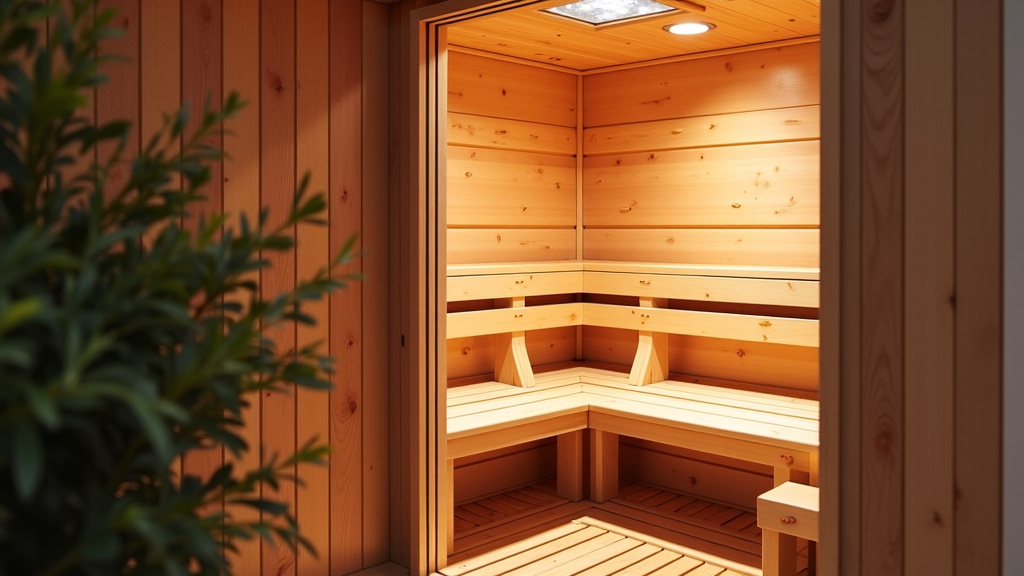
A home sauna is a small, enclosed space in your house designed for you to sit in and enjoy the dry heat. It’s typically a heated room or cabin where you relax and sweat, often used for recovery and unwinding after a long day. We found that its main purpose is simple: to provide a convenient place for you to experience the benefits of sauna therapy at home.
These personal wellness spaces can be built-in permanent fixtures or come as portable, ready-to-use units. You’ll find that the two most common types are traditional dry saunas, which heat rocks with a stove, and modern infrared saunas, which use light panels to warm your body directly. Both are designed to create that classic, warm sauna experience in your own space.
- A home sauna is a personal, heated room for relaxation and sweating.
- It allows you to enjoy sauna benefits like post-workout recovery conveniently.
- The two main types are traditional dry saunas and infrared saunas.
- You can find built-in models or portable units for flexibility.
- The core goal is to create a dedicated space for heat therapy.
Below, we’ll break down everything you need to know, from how they work and their potential benefits to choosing the right one for your space and budget.
How a Home Sauna Actually Works
At its heart, a sauna works by creating a warm, enclosed space where you can sit and sweat. The core function is simple: apply heat to your body in a controlled setting. Think of it as a warm, cozy room dedicated to helping you unwind. The goal isn’t just to heat the air, but to warm your body directly or indirectly, which prompts a gentle, relaxing sweat.
The Two Main Ways Heat is Delivered
There are two primary methods for generating that signature sauna warmth. Understanding the difference helps you know what you’re buying.
- Convection Heating (Traditional): This is the classic method. An electric stove or wood-burning heater warms rocks or a heating element. The hot rocks then radiate heat into the air, warming the entire room. You feel this heat on your skin and breathe the warm, often dry, air. Adding water to the rocks creates a burst of steam, increasing humidity.
- Radiant Heating (Infrared): This modern approach uses special panels, like ceramic or carbon, to emit infrared light waves. These waves penetrate your skin directly, warming your body from within. The air itself stays cooler and more comfortable, but you still sweat. It’s like feeling the warmth of the sun without the harsh sunburn risk.
Potential Benefits for Your Body and Mind
Many people turn to home saunas for more than just a nice sweat. Research and expert guidelines suggest several potential benefits. It’s important to remember these can vary person to person.
Relaxation and Stress Relief
This is often the most immediate benefit. The warmth can help relax tight muscles and soothe your mind after a long day. Many studies note a link between regular sauna use and feelings of relaxation. It can become a comforting ritual, like a warm blanket for your whole body (Mayo Clinic).
Support for Muscle Recovery
If you’re active, you might like this. The increased circulation from the heat may help soothe sore muscles after a workout. Some research points to sauna bathing as a potential recovery aid, helping to ease discomfort (Journal of Physiology). It’s not a magic cure, but many athletes find it a helpful part of their cooldown routine.
A Note on Sweating and Skin
Sweating is your body’s natural cooling system. In a sauna, you sweat more. This can help cleanse your skin’s surface. However, we found that for clear health benefits, you must hydrate well before, during, and after your session to replace lost fluids.
What Are the Different Types of Home Saunas?
Not all saunas are built the same. They come in various forms, each with pros and cons for different spaces and preferences.
Traditional Finnish Sauna
This is what most people picture. A small wooden room with benches and an electric or wood-fired stove with rocks. It gets very hot (often 150-195°F or 65-90°C) and can be very dry. You control humidity by throwing water on the rocks. It’s the classic, authentic experience.
Infrared Sauna
These are often more compact and designed for home use. They use infrared panels to heat your body directly at lower air temperatures (typically 120-150°F or 49-65°C). Many find this heat more penetrating and comfortable. They also heat up faster and use less electricity than traditional models.
Portable and Modular Saunas
Great for beginners or small spaces. These are tent-like or cabin-style units you can set up in a bathroom or spare room. Many are infrared and fold down when not in use. They offer a flexible, low-commitment way to try sauna bathing at home.
Which type is best? It depends on your goal. For pure, hot steam and tradition, go traditional. For a gentler, deeper heat with convenience, infrared is often favored.
Choosing Your Home Sauna: Key Factors
Finding the right sauna means matching it to your home and habits. Ask yourself these questions.
Space and Installation
Do you have a dedicated bathroom, basement corner, or large closet? A built-in sauna requires professional installation and electrical work. Portable units need a flat, heat-resistant floor and nearby power. Measure your space carefully, remembering you need room for the unit and safe clearance around it.
Materials and Build Quality
Look for woods like Western Red Cedar, Hemlock, or spruce. These are naturally resistant to moisture and decay. A good frame and solid construction ensure it lasts. Avoid particleboard or materials that might off-gas when heated.
Heater Power and Efficiency
For traditional saunas, the heater size should match the room’s volume. For infrared, the quality and placement of the panels matter. We found that energy efficiency is key for regular use—check for good insulation and energy-saving features.
Your Home Sauna Installation Checklist
Before you buy, run through this practical checklist to ensure a smooth setup.
- ✔️ Location: Is the floor level, stable, and close to a power outlet (for electric models)?
- ✔️ Space: Do you have at least 1-2 feet of clearance on all sides for ventilation and safety?
- ✔️ Electrical: Does your circuit handle the amperage? Most larger units need a dedicated 240V circuit.
- ✔️ Ventilation: Is the area well-ventilated? A small exhaust fan is usually required for the room.
- ✔️ Flooring: Is the floor non-slip and able to handle moisture? You’ll want a mat or towel down.
- ✔️ Permits: Does your local area require a permit for a permanent sauna installation?
What to Expect During Your First Session
Your first time might feel different than you imagined. It’s normal to be curious or a little nervous.
Warming Up vs. Cooling Down
A session typically lasts 15-20 minutes. You’ll feel the heat build gradually. Some people enjoy it in cycles: 10-15 minutes of heat, followed by a cool-down with a shower or a break, then repeating. Start slow—10 minutes is plenty for your first time.
The Sweat and How to Breathe
You will sweat. A lot. That’s normal. Breathe slowly through your nose if the air feels very dry. If it’s too intense, simply step out for a moment. Listen to your body. It’s not a competition.
Safety First: Important Guidelines
A sauna is safe when used properly, but you should never ignore these rules.
- Hydrate: Drink plenty of water before, during, and after.
- Alcohol: Never use a sauna under the influence of alcohol.
- Listen to Your Body: Exit immediately if you feel dizzy, lightheaded, or nauseous.
- Medical Conditions: If you have heart disease, high blood pressure, or are pregnant, consult your doctor first.
- Cool Down: Always allow your body to cool gradually afterward.
- Never Alone (Initially): Especially for the first few sessions, it’s safer to have someone nearby.
Making the Most of Your Investment
A home sauna is a commitment to your wellness routine. To get the most from it, think about integration.
Build a Consistent Routine
Benefits are often linked to regular use, not just occasional visits. Even two or three 15-minute sessions a week can be part of a healthy habit. Pair it with something you enjoy, like listening to a podcast or quiet reflection.
Care and Maintenance
Keep it clean. Wipe down benches after use with a mild, natural cleaner. Leave the door ajar afterward to let it dry out completely. Regular care prevents mildew and keeps the wood fresh. For electric heaters, follow the manufacturer’s guide for any annual checks.
A home sauna offers a private, convenient retreat. By understanding the basics—how it works, the benefits, and how to choose—you can decide if it’s the right addition to your home and lifestyle. It’s about creating a simple, warm space for you to reset.
Conclusion
A home sauna is a dedicated space for heat therapy, offering a private way to unwind. You now understand the core difference between traditional and infrared models. You also know the key benefits, from relaxation to muscle recovery. Choosing the right one means matching its type and size to your space and budget. Remember that safety and hydration are essential for a good experience. Your next step is to measure your intended area. Then, you can research specific models that fit your dimensions, electrical capacity, and desired heat style.
Frequently Asked Questions
How much does a home sauna cost?
Costs vary widely based on type and quality. A small, portable infrared unit can start around $500 to $1,500. Larger, custom-built traditional saunas can cost $3,000 to $8,000 or more, including professional installation. Always factor in potential electrical upgrades.
Are home saunas noisy?
Noise levels depend on the model. Traditional wood-burning saunas can be quiet, while electric stoves may have a low hum. Infrared models with fans are generally quieter. Always check the manufacturer’s specifications and read user reviews about noise.
How do I clean my sauna properly?
For regular cleaning, wipe benches with a damp cloth and mild soap after each use. Leave the door open afterward to let it dry completely. Avoid harsh chemicals. Deep cleaning annually with a wood-safe sanitizer is recommended to prevent mildew.
Is an infrared sauna better than a traditional one?
“Better” depends on your goals. We found infrared saunas heat your body directly at lower air temperatures, which many find more comfortable. Traditional saunas offer very high, dry heat and steam. The best choice is the one you will use consistently.
Can I use a sauna if I have high blood pressure?
You must consult your doctor before using a sauna with high blood pressure or any heart condition. Heat can affect blood pressure and circulation. A medical professional can give you personalized advice based on your health status.