What Is a Container Sauna? Steel Box Heat Rooms
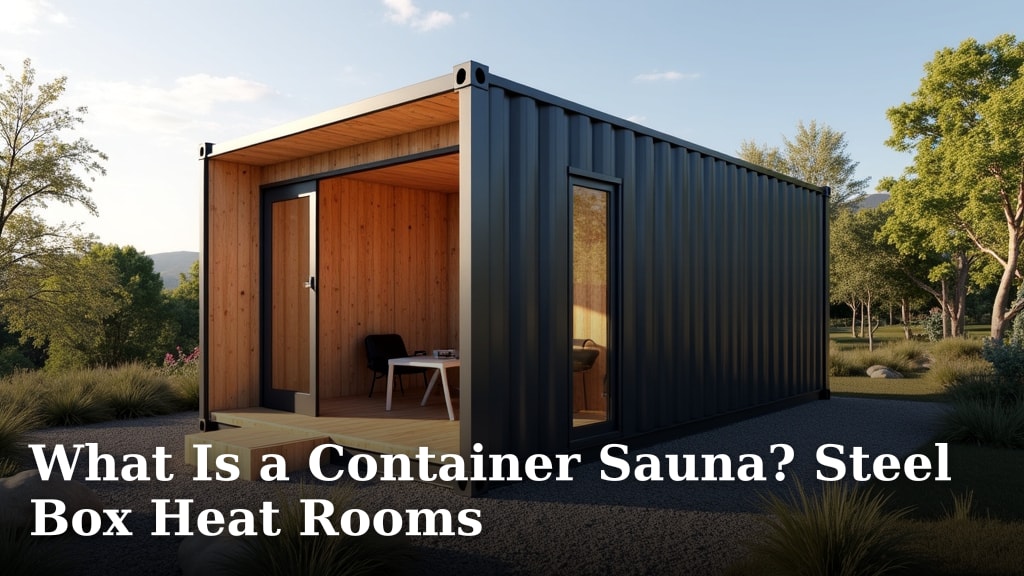
A container sauna, often called a steel box heat room, is a type of infrared sauna that uses a shipping container as its structure. These units are designed for outdoor use and can offer a unique way to enjoy the benefits of sauna therapy. They are typically pre-fabricated and can be delivered ready to use.
These unique saunas provide a contained space for heat therapy, much like traditional saunas. However, their construction from a shipping container means they are often more durable and weather-resistant. Many models feature infrared heating panels to deliver gentle, penetrating heat.
- Container saunas are outdoor infrared saunas built from shipping containers.
- They offer a durable and weather-resistant structure for heat therapy.
- Infrared panels are commonly used for heating these units.
- They provide a compact and often stylish solution for backyard relaxation.
- Assembly is usually minimal upon delivery.
We found that understanding the specifics of container saunas can help you decide if one is right for your backyard. Let’s walk through what makes them stand out and what you should consider.
Understanding the Steel Box Heat Room Concept
A container sauna is essentially a shipping container that’s been transformed into a functional sauna. These aren’t just painted boxes; they’re engineered spaces designed for heat therapy. We found that the core idea is to repurpose a sturdy, weather-resistant structure for a relaxing experience.
What Makes Them Different?
The main difference lies in their construction material and intended use. While traditional saunas are often built with wood, container saunas utilize the robust steel of a shipping container. This offers a unique set of benefits, especially for those looking for an outdoor relaxation spot. They’re built to withstand the elements, which is a big plus.
The Role of Infrared Heat
Most container saunas employ infrared heating panels. Unlike traditional saunas that heat the air to very high temperatures, infrared saunas work differently. They emit infrared light, which gently warms your body directly. Research shows this method can promote relaxation and muscle recovery (Cleveland Clinic).
How Infrared Heat Works
Infrared waves penetrate the skin to a certain depth. This can help to increase circulation and promote a feeling of deep warmth. Many users report that this type of heat feels less intense than dry or steam saunas, making it more comfortable for longer sessions. It’s a more direct form of heating.
Benefits of Infrared Heat
Studies suggest that infrared saunas may offer benefits like muscle tension relief and improved blood flow. The lower operating temperature is often cited as a major advantage. People often find it easier to breathe and relax without feeling overheated too quickly. It’s a gentler approach to heat therapy.
Key Features of Container Saunas
When you’re looking at a container sauna, several features stand out. These units are designed for durability and ease of use. You’ll typically find they come with a focus on the structural integrity and the heating system.
Durable Steel Construction
The foundation of any container sauna is its steel structure. Shipping containers are built to endure harsh conditions during transit. This means your sauna will likely be very weather-resistant. You don’t have to worry as much about rain, snow, or wind affecting the structure itself. It’s a robust choice for outdoor settings.
Design and Customization Options
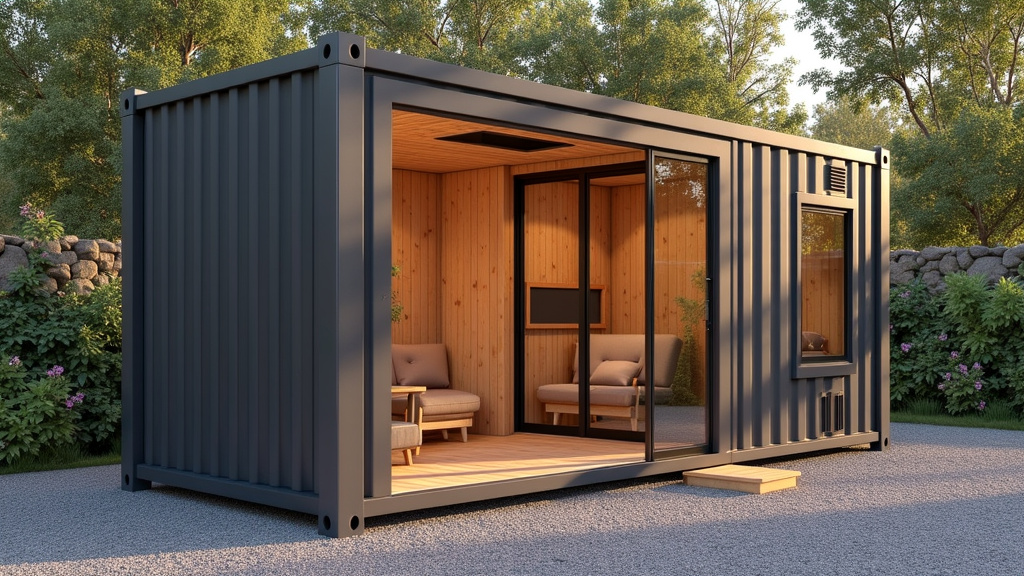
While the basic structure is a container, manufacturers often customize them. You might find options for interior finishes, window placements, and door styles. Some even offer smart features or integrated sound systems. The goal is to make a functional space feel like a personal retreat. You can often tailor it to your aesthetic preferences.
Interior Finishes
The inside is usually finished with wood paneling, just like a traditional sauna. This creates a warm and inviting atmosphere. Common woods include cedar or hemlock, known for their pleasant aroma and resistance to moisture. The contrast between the steel exterior and wooden interior is quite striking.
Exterior Aesthetics
The exterior can be painted or clad to match your home or landscaping. Some designs aim for a sleek, modern look, while others might try to blend in more subtly. You have choices to make it fit your yard’s appearance. It’s more than just a metal box; it’s about creating an appealing structure.
Infrared Heating Systems
As mentioned, infrared panels are standard. These are typically placed on the walls and sometimes the floor. The number and wattage of these panels influence the heating power and speed. It’s important to consider the coverage area. You want enough panels to heat the space effectively.
Panel Types
You’ll often see carbon infrared panels, which are known for emitting a wider spectrum of infrared heat. Ceramic or quartz emitters are also used. Each type has slightly different properties regarding heat output and distribution. We found that carbon panels are a popular choice for their efficiency and gentle heat.
Safety Features
Reputable manufacturers include safety features like temperature controls and automatic shut-offs. The infrared panels are designed to operate at temperatures that are safe for skin contact. Always check that the unit meets safety standards, often indicated by certifications. Your safety and comfort are key.
Practical Considerations for Container Saunas
Before you decide on a container sauna, it’s wise to consider a few practical points. These units have unique needs compared to indoor saunas. Thinking through these aspects will help you make an informed decision.
Placement and Foundation
Because these are outdoor units, you’ll need to choose a suitable spot in your yard. A level surface is essential for stability. Many owners opt for a concrete pad, gravel base, or sturdy deck. Proper foundation support is critical for longevity and safety. Consider accessibility and privacy too.
Power Requirements
Container saunas run on electricity. You’ll need to ensure you have access to an appropriate power source. Most units will require a dedicated circuit. Check the electrical specifications carefully with the manufacturer. An electrician might be needed for proper installation. This ensures safe operation.
Assembly and Delivery
One of the benefits is that container saunas often arrive largely pre-assembled. Delivery involves transporting the unit to your location. You might need to arrange for a crane or specialized delivery service. Once it’s in place, setup usually involves connecting the power and any final touches. It’s typically much simpler than building from scratch.
Maintenance Needs
The steel exterior generally requires minimal maintenance beyond occasional cleaning. The interior wood may need occasional re-sanding or sealing, depending on the type of wood and climate. Regular checks of the heating elements and electrical components are also advisable. This ensures your sauna remains in good working order.
Here’s a quick checklist to consider when evaluating a container sauna:
- Confirm the size and layout fit your available space and intended use.
- Verify the heating system’s specifications and coverage.
- Understand the power requirements and electrical hookup needs.
- Ask about delivery options and any site preparation required.
- Inquire about the warranty and maintenance recommendations.
- Check for safety certifications and features.
Conclusion
You’ve learned that a container sauna, or steel box heat room, offers a durable and weather-resistant way to enjoy infrared heat therapy right in your backyard. Its robust shipping container structure means less worry about the elements, while infrared panels provide a gentle, penetrating warmth for relaxation and recovery. When considering one, remember to assess placement, power needs, and delivery logistics. By carefully reviewing these practical aspects, you can determine if this unique outdoor sauna is the right choice for your personal retreat.
Frequently Asked Questions
Are container saunas difficult to set up?
Container saunas usually arrive mostly assembled, which simplifies setup. Your main tasks will likely involve choosing a stable location, ensuring proper foundation support, and connecting the electricity. Delivery itself is often the most involved part, potentially requiring specialized equipment.
What kind of maintenance do these saunas require?
The steel exterior of a container sauna typically needs very little upkeep beyond cleaning. The wooden interior might benefit from occasional sanding or sealing, depending on your climate and the wood type. Regular checks of the heating elements ensure they remain in good working order.
Can I use a container sauna in any weather?
Yes, the steel construction of a container sauna is designed to be very weather-resistant. This means you can generally use it year-round, regardless of rain, snow, or wind. The durable structure is built to withstand outdoor conditions.
How much electricity do container saunas use?
The power consumption varies depending on the size of the unit and the wattage of the infrared panels. Most will require a dedicated electrical circuit. You should always check the manufacturer’s specifications for exact power requirements to ensure safe and efficient operation.
Are infrared heat rooms safe for prolonged use?
Infrared heat is generally considered safe, and reputable manufacturers include safety features like temperature controls and automatic shut-offs. The heat is gentler and penetrates the body directly, which many find more comfortable for longer sessions compared to traditional high-heat saunas.