When to Cold Plunge
Plunge after hard training, in the morning for a wake-up routine, or in the evening if it helps you unwind. The best time is the one you can repeat safely and that fits your goals and schedule.
On this page (11 sections)
- What does when to cold plunge mean for your goals?
- What is a cold plunge and how does timing fit in?
- When should you cold plunge after a workout?
- Is morning the best time to cold plunge?
- Should you cold plunge in the evening?
- When should you combine sauna and cold plunge?
- What makes a shower steamer useful on plunge days?
- How do you build a weekly plunge schedule?
- What setup helps you plunge on time?
- What safety checks matter before every plunge?
- Should you choose a hot tub or a cold plunge?
Plunge after hard training, in the morning for a wake-up routine, or in the evening if it helps you unwind. The best time is the one you can repeat safely and that fits your goals and schedule.
When to cold plunge depends less on a perfect hour and more on your goal. Recovery, alertness, and a calm evening call for different timing.
A routine you follow most days beats a perfect plan you try once.
What does when to cold plunge mean for your goals?
Match the timing to the goal you care about most. Recovery timing differs from morning alertness timing.
If you train hard, many people plunge soon after training. If you want a reset before work, a morning slot can work.
If training ends late, an evening plunge may fit better than forcing a morning session.
Your goal affects how strict you need to be. Recovery timing is a window, not a deadline.
Morning timing is about routine. Evening timing is about comfort and sleep habits.
Note how you feel an hour after each slot. Energy, soreness, and sleep will tell you more than any general rule.
What is a cold plunge and how does timing fit in?
A cold plunge is brief immersion in cold water, and timing decides why you do it. Read what's a cold plunge if you are new.
A morning plunge fits a start-of-day routine. A post-training plunge fits recovery.
An evening plunge fits a wind-down routine.
You do not need a fancy setup to test timing. A tub or shower can work for short sessions.
Learn how to cold plunge first.
Start with two or three sessions at the same time of day. That makes the effect easier to judge.
When should you cold plunge after a workout?
After a workout is the most common time for recovery-focused plunges. Many people aim for the first hour after training ends.
You can shower and settle in before you get in.
Post-training timing suits strength work, hard intervals, and long sessions. Your body temperature is up, and the cold feels like part of the session.
It also keeps the habit tied to training, which makes repeat sessions easier.
Some people prefer to wait until the next morning. That can suit late training or soreness that peaks the next day.
Avoid plunging on an empty stomach if you feel lightheaded in cold water. Eat a light snack first, or move the session later.
How long should you wait after training?
Wait until your breathing and heart rate settle, then get in. That may take 10 to 30 minutes depending on the workout.
A shower and a change of clothes help you feel ready.
Very hard workouts may call for a longer wait. If you feel shaky, give yourself more time.
There is no prize for rushing into cold water. Check how long to cold plunge for time ranges by goal.
Is morning the best time to cold plunge?
Morning is best if you want alertness and a habit you finish before work. Cold water wakes you up fast, and the session is done before meetings start.
You also avoid the risk that a busy day pushes plunging aside.
A morning plunge works well on rest days too. It can mark the start of the day without tying it to a workout.
Short sessions fit a workday schedule better than long ones.
Morning timing can be tough in winter or in a cold bathroom. A warm shower after the plunge helps you feel ready.
Lay out towels and a robe the night before to remove friction.
If mornings feel rushed, do not force them. An evening session you enjoy beats a morning session you dread.
Should you cold plunge in the evening?
Evening is best if you train late or want a calm end to the day. The plunge can become a clear break between work and rest.
You can shower, change, and settle in afterward without a rush.
Evening timing suits people who feel stiff after sitting all day. Cold water can feel refreshing after hours at a desk.
It also gives you a fixed point in a flexible schedule.
Some people find cold water too stimulating before bed. If that is you, move the session earlier or keep it short.
Watch how you sleep on plunge nights compared with non-plunge nights.
Avoid a late plunge with alcohol or a heavy meal. Keep the session simple and finish well before bed.
When should you combine sauna and cold plunge?
Combine them when you want contrast, and keep them apart when you want focus. Alternating heat and cold in one session suits people who enjoy the switch.
Separate days suit people who want a clearer effect from each one.
A common pattern is heat first, then cold, then a rest. Another pattern is cold in the morning and heat in the evening.
Both patterns can fit a weekly routine without daily extremes.
Read about sauna and cold plunge benefits to weigh the combined routine. It explains why people pair them and where caution matters.
Start with one combined session per week. Add more only if you recover well.
Dizziness or poor sleep are signs to cut back.
Should you plunge before or after heat?
Plunge after heat if you want a sharp contrast, and before heat if you want to warm up slowly. Heat first raises your temperature, so the cold feels stronger.
Cold first lets you warm up in the sauna afterward.
Keep the order the same for a few weeks. That makes it easier to spot what works.
Switching every session makes the routine hard to judge.
Leave a rest between rounds. Drink water, sit down, and check how you feel before the next round.
What makes a shower steamer useful on plunge days?
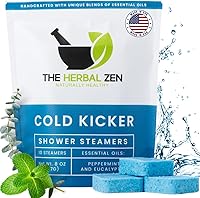
A shower steamer can turn the rinse after a plunge into a small routine. The Herbal Zen Cold Kicker Shower Steamers come in a 10 pack with peppermint and eucalyptus essential oils.
The brand says the blend supports clear, easy breathing with a minty menthol aroma.
The Herbal Zen says each batch is handmade in the USA with only natural essential oils and no artificial fragrance. The package measures 9.17 x 6.34 x 2.24 inches and weighs 14.65 ounces.
It also lists other blends, including Sleepytime, Head Hug, Morning Energy, and Relax, in a variety pack.
Pick this pack if you want a simple scent for the shower after a cold session. Skip it if you prefer unscented showers or have a sensitivity to strong scents.
Store them in a dry spot away from direct water so they last longer.
How do you build a weekly plunge schedule?
Build a schedule around training, sleep, and rest days. Two to four sessions per week suit most beginners.
More is not always better, especially during hard training blocks.
A simple week might have a post-training plunge, a morning plunge on a rest day, and a contrast session on the weekend. That mix covers recovery, alertness, and variety without daily cold exposure.
Track the time, water temperature, and how you feel afterward. A thermometer helps because cold water can feel different each day.
Our guide to the best cold plunge thermometer explains what to look for.
Change one variable at a time. If you add a session, keep the time the same.
If you change the time of day, keep the length the same.
What setup helps you plunge on time?
A setup you can use without planning helps you keep the time you chose. A ready tub or chiller removes daily friction, so the session is more likely to happen.
If you use a bathtub, fill it the night before or use a hose. Ice works for short trials, while a chiller keeps water cold without daily ice runs.
A cold plunge for bathtub setup suits small spaces and tight budgets.
If you want a dedicated tub, look at a best cold plunge tub with chiller for a long-term option. Check size, insulation, and power needs, and measure your space and doorways first.
Clean the water and tub on a regular schedule. Follow the maker steps for filters, pumps, and surfaces.
What safety checks matter before every plunge?
Check your health, water temperature, and exit plan before you get in. Cold water can stress the heart and raise blood pressure for a short time.
People with heart conditions, circulation problems, or asthma should ask a doctor first.
Never plunge alone in deep or outdoor water. Tell someone you are getting in and when you expect to get out.
Keep a phone nearby but out of reach of the water.
Get out if you feel chest pain, numbness, confusion, or strong shivering that will not ease. Dry off, warm up slowly, and sit down.
Do not drive until you feel steady.
Keep sessions short at first and build slowly. Hard training days call for more caution, not longer plunges.
Should you choose a hot tub or a cold plunge?
Choose a hot tub if you want warmth and relaxation, and a cold plunge if you want a short cold stimulus. Your goal and schedule should decide.
A hot tub suits evening social time and sore muscles that like heat. A cold plunge suits a quick reset and a post-training routine.
Some people use both, but many pick one.
Our comparison of hot tub vs cold plunge lays out the trade-offs in plain terms. It covers size, upkeep, cost, and daily use.
Read it before you switch setups.
If you own a hot tub, you do not need to replace it to test cold timing. A cold shower or small tub can test the routine first.
Frequently asked questions
What is the best time to cold plunge after a workout?
Many people plunge within 30 to 60 minutes after hard training if recovery is the goal. Check how long to cold plunge for time guidance, and avoid plunging when you feel dizzy, numb, or unwell.
Ask a doctor first if you have heart or blood pressure concerns.
Is morning or evening better for a cold plunge?
Morning suits people who want a sharp start and a routine they can finish before work. Evening suits people who train later or want a calm wind-down afterward.
The better time is the one you will repeat, because consistency matters more than the clock.
Should I cold plunge before or after sauna?
Choose the order that feels comfortable and leaves you alert enough to get out safely. Many people alternate heat and cold in one session, while others keep them on separate days.
Start with short sessions and stop if you feel faint or overheated.