Build or Buy a Sauna: Which Should You Choose? (November 2026)
Buy a ready-made sauna if you want a faster, simpler setup. Build one when you need a custom size, layout or finish and can manage the design, materials, electrical work and ventilation.
On this page (7 sections)
- Build or buy a sauna: which option fits your project?
- Which is easier to install, a custom sauna or a kit?
- Is a portable sauna easier than building a sauna?
- What are the heat differences between building and buying?
- Which option works best in a small room?
- What should you budget in time and effort?
- Which sauna should you choose?
Buy a ready-made sauna if you want a faster, simpler setup. Build a sauna when you need a custom size, layout or finish and can manage the design, materials, electrical work and ventilation.
The choice is mainly a trade-off between control and effort. A custom build can fit an unusual room, while a ready-made cabin or portable tent gives you a defined setup with fewer design decisions.
This comparison covers custom construction, sauna kits, fixed infrared cabins and portable steam models. We checked the available product specifications and focused on the work each path creates for a homeowner.
A custom sauna starts with the room itself. You need to plan framing, insulation, interior boards, benches, a door, lighting and ventilation before you ever set a temperature.
You also need to plan the heater and the electrical supply behind it. Those choices affect cost, timing and daily use, and they cannot be treated as small add-ons at the end.
A ready-made sauna moves many of those decisions into the product. The cabin or tent arrives with a set footprint, a heater or steamer, controls and a defined way to assemble it.
That does not make buying effortless. You still need to measure the room, check the path into it, prepare the floor and confirm that the power connection matches the unit.
For a fixed indoor sauna, the footprint becomes part of your home layout. Once it is assembled, moving it is no longer a simple option, so the location needs to work for regular use.
For a portable steam tent, the trade-off is different. You give up the fixed cabin feel, but you gain the ability to set it up, fold it away and reuse the space for other purposes.
If you need an exact size or finish, building may be worth the extra work. If you want a sauna with fewer moving parts, buying is usually the more practical route.

 Best for easy storage
X-Vcak Upgraded Portable Sauna for Home,Relaxation
Build or buy a sauna: which option fits your project?
Buy when you want a usable sauna with less planning; build when the room demands a custom solution. Your available space, electrical setup, skill level and tolerance for construction work should guide the decision.
A built sauna requires decisions about the structure, insulation, interior finish, heater, controls, lighting, ventilation, door and floor. A ready-made sauna reduces those choices, but you must accept its stated size, heat type and layout.
Before choosing, measure the room and the route into it. Our guide to how to build a home sauna explains the larger planning process, including the parts that are easy to overlook.
What does building a sauna involve?
Building gives you the most control, but it also creates the most responsibility. You must plan the enclosure and make sure the finished room works safely with its heater and electrical system.
Start with the footprint. A custom room can use a corner, alcove or other area that would not fit a standard cabin, but every change affects framing, insulation, finish work and access.
You also need to plan the interior components. This includes benches, a door, lighting, ventilation and a suitable surface below the sauna.
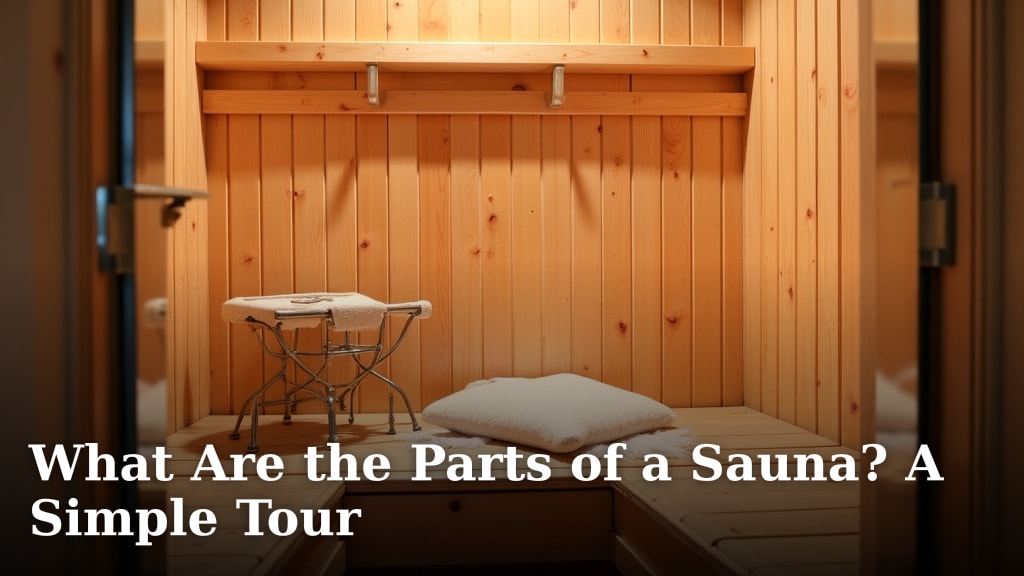
Our guide, What Are the Parts of a Sauna? A Simple Tour, helps you map those decisions before buying materials.
It is especially useful when a small room makes every inch matter.
A custom build may suit you if you already have construction experience or want a sauna that matches an existing room. It may be a poor fit if you need a predictable setup date or do not want to coordinate several types of work.
What does buying a sauna involve?
Buying a ready-made sauna shifts the work from design to selection and assembly. You still need to measure carefully, prepare the room and follow the exact electrical and setup instructions.
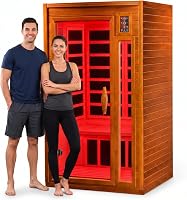
A fixed infrared cabin arrives with a defined footprint and feature set. The X-Vcak 1-2 Person Infrared Sauna measures 40 x 36 x 73 inches, weighs 231 pounds and has 6 heating panels with 1450W power.
The Dynamic Saunas Barcelona is another fixed infrared option. It uses natural Canadian hemlock wood, 6 carbon PureTech infrared panels and an interior sized for 1-2 people at 36 x 32 x 67 inches.
Ready-made does not mean effortless. A fixed cabin still needs a suitable location, enough clearance to assemble it and a power connection that matches the unit.
Which is easier to install, a custom sauna or a kit?
A kit or ready-made cabin is usually easier to assemble than a custom sauna. The trade-off is that a kit follows a fixed design, while a custom build lets you change the size and layout.
A custom sauna involves more than putting panels together. You may need to frame walls, add insulation, install interior boards, build benches, fit a door and coordinate the heater.
A ready-made cabin can shorten the assembly stage because the main room has already been designed. The Dynamic Saunas Barcelona is described as assembling in about one hour and using a standard 15-amp, 120-volt plug.
That does not remove the need to read the instructions. Measure doorways, check the floor and make sure the final location works before the heavy parts arrive.
For a smaller custom project, read how to build a small sauna. A small room can reduce material needs, but it leaves less space for mistakes around the door, bench and heater.
Is a portable sauna easier than building a sauna?
A portable sauna is easier to store and move than a built sauna, but it feels more temporary. Choose one when you want steam sessions without giving up a permanent room.
The X-Vcak Upgraded Portable Sauna includes a steamer, remote control and folding chair. Its tent can move between rooms and fold for transport.
This route suits a homeowner who wants sessions at home without committing floor space to a cabin. It also suits a renter, a smaller home or anyone testing a routine before making a permanent change.
The steamer is the centre of the experience. It generates steam and lets you set temperature and time on the steamer or with the remote control, so you can adjust without opening the tent.
The folding chair supports a full session. Sitting comfortably changes how often you use the tent in daily life.
The tent is oversized enough for adults of different sizes to stand or sit inside. That flexibility helps in a bathroom, bedroom or living room, but you still need clear floor space.
Storage is the main advantage over a built sauna. The tent can be folded and moved to another room or taken further when needed.
There is a pocket inside for a mobile phone and other small items. A zippered transparent window lets you stick your head out for air, and the double pull zipper lets you exit.
The trade-off is a temporary feel. A tent has no solid walls or permanent layout, and each session starts with setup and ends with drying and storage.
If flexible use and easy storage matter more than a fixed cabin, this is the simpler path. If you want a sauna that stays in place, a fixed model deserves a closer look.
The 2 Person Sauna has a 71 x 49 x 36 inch footprint, a 5-layer waterproof tent, 2 steamers and 2 folding chairs. Its size makes it more suitable for shared sessions, but it also needs a larger temporary area.
Portable steam tents need a place to set up, use and dry. Keep the surrounding area suitable for steam and follow the unit's safety instructions for the steamer, power and exit.
What are the heat differences between building and buying?
Choose the heat style first, then decide whether to build or buy. Infrared cabins and portable steam tents create different routines, so a custom wood room is not automatically the right answer.
The 2 fixed cabins here use infrared heat. The X-Vcak model reaches up to 150°F, has a 1-99 minute timer and includes red, blue, green, yellow, purple, cyan and natural therapy lights.
The Dynamic Saunas Barcelona operates up to 135°F, with a recommended comfort range of 115°F to 130°F. Its features include Bluetooth, MP3 Aux input and built-in speakers.
Infrared heat warms you at lower air temperatures than a traditional sauna. That can suit a beginner or someone who finds very hot air uncomfortable, but you still need water before and after to replace sweat.
The X-Vcak model uses 6 heating panels to spread heat through the room. Its 1450W power is meant to heat the space faster, and the timer can be set from 1 to 99 minutes.
The recommended usage time for that model is 10 to 15 minutes. Beginners should start with low temperatures and build up only as they get used to the heat.
Music is built into both fixed cabins in different ways. The X-Vcak room has Bluetooth, MP3 and radio functions with two speakers, while the Barcelona has Bluetooth, MP3 Aux input and built-in speakers with a pre-amp.
A portable steam tent creates a different routine. Steam surrounds the room, so the space feels humid and enclosed, and you manage it with the steamer and remote control rather than heating panels.
A custom sauna may be right if you specifically want a traditional heated room and have a suitable construction plan. The heater, ventilation and room design must all match the type of sauna you want.
Heat style should therefore lead the decision. Once you know whether you want infrared or steam, the build or buy choice becomes much easier to judge.
Which option works best in a small room?
A compact ready-made cabin or portable tent is easier to compare in a small room than a custom build. A custom sauna can use the room better, but only if you plan every surface and access point.
The Barcelona has a stated interior size of 36 x 32 x 67 inches, while the X-Vcak infrared room measures 40 x 36 x 73 inches overall. Compare those measurements with the room, doorway and assembly path.
A portable tent can be stored after use, which may matter more than its open footprint. The smaller X-Vcak portable model is designed for home movement, while the 2 Person Sauna needs a larger setup area.
Measure the floor before choosing any route. For a custom project, the floor deserves special attention, so follow the advice in how to build a sauna floor.
What should you budget in time and effort?
Buy when your priority is a defined project; build when you are willing to manage a larger chain of decisions. The time difference comes from preparation, not only from final assembly.
With a custom sauna, plan for measuring, design, material sourcing, construction, electrical work and finishing. Delays in one part can hold up the whole room.
With a ready-made cabin, your main tasks are selection, delivery access, assembly, placement and setup. A portable tent reduces permanent work further, but it still needs careful use and storage.
A custom build begins long before tools come out. You need to measure the space, decide on the footprint and check how the door, bench and heater will fit.
You then need to source materials in the right order. Framing, insulation, boards, door hardware, lighting and ventilation all affect the next stage, so a late item can pause the project.
Electrical work adds another layer of planning. The heater and controls must suit the room, and the supply must be installed safely, which means coordinating with a qualified person rather than guessing at the outlet.
Finishing work takes time as well. Sealing, sanding, fitting benches and checking ventilation shape how the sauna feels and how easy it is to clean.
A ready-made cabin compresses that chain. The design is already set, so your time goes into checking measurements, confirming delivery access and following assembly instructions.
Even so, a fixed cabin is not a simple parcel. The X-Vcak infrared room weighs 231 pounds, and the Dynamic Saunas Barcelona weighs 250 pounds, so planning for heavy parts matters.
The Barcelona is described as assembling in about one hour on an indoor surface. That time still assumes space to work, a suitable floor and a standard 15-amp, 120-volt plug in the right place.
The X-Vcak infrared model lists 1450W power and a 40 x 36 x 73 inch footprint. You need to confirm that the room, doorway and power supply can handle that size and load before the cabin arrives.
A portable tent takes the least permanent time. The X-Vcak steam models use a steamer and remote control, and the tent can move between rooms or fold for transport.
That convenience comes with a repeat task. Each session needs setup, careful use of the steamer and power, and drying and storage afterwards, so effort is spread across every use.
For a custom sauna, the honest budget is measured in weeks of planning and coordination, not days. For a ready-made cabin, it is measured in careful selection and a focused assembly session.
For a portable tent, it is measured in minutes of setup and a commitment to store it properly. Choose the level of ongoing work you can keep up with, because that will decide how often the sauna gets used.
Which sauna should you choose?
Choose a ready-made infrared cabin for a fixed indoor sauna, a portable steam tent for flexible use, or a custom build for a room that needs a special size and finish.
Choose the X-Vcak 1-2 Person Infrared Sauna if you want the highest-scoring fixed option here, with 6 heating panels, 1450W power and a 40 x 36 x 73 inch room.
Choose the X-Vcak Upgraded Portable Sauna if folding storage and room-to-room movement matter most. Choose the 2 Person Sauna when shared steam sessions justify its larger tent.
Choose the Dynamic Saunas Barcelona if a hemlock infrared cabin, about one-hour assembly and a standard 15-amp, 120-volt plug fit your indoor plan.
If you want a different recovery project after deciding against a permanent sauna, compare the planning involved in a diy cold plunge tub. The decision rule is simple: buy for speed and defined setup, build for control and custom fit.
Frequently asked questions
Is it cheaper to build or buy a sauna?
Building can give you control over materials and size, but the total depends on the room, insulation, heater, electrical work, ventilation and finish. Buying a ready-made sauna makes the scope easier to understand because the cabin or tent arrives as a defined product.
How long does it take to build a home sauna?
A custom sauna may take much longer than a ready-made unit because you must plan the room, source materials, assemble the structure and arrange suitable electrical work. The Dynamic Saunas Barcelona is described as assembling in about one hour on an indoor surface.
Do I need special wiring for a sauna?
Electrical needs depend on the exact heater or sauna. The Dynamic Saunas Barcelona uses a standard 15-amp, 120-volt plug, while the X-Vcak infrared model lists 1450W power.
Check the exact installation instructions before choosing an outlet.
Can a portable sauna replace a built-in sauna?
A portable sauna can meet your needs if you want temporary use, simple storage or room-to-room movement. It does not provide the same fixed cabin experience as a built infrared sauna, so choose based on space, heat type and how often you plan to set it up.