Cold Shower vs Hot Shower: Which Should You Choose? (November 2026)
Pick a cold shower for a fast wake-up hit and a hot shower for comfort and steam. In a cold shower vs hot shower choice, your morning routine, skin comfort and home setup decide more than any single benefit claim.
On this page (13 sections)
- The quick verdict on cold shower vs hot shower
- Cold shower and hot shower side by side
- How the cold shower feels in daily use
- How the hot shower feels in daily use
- Cold shower vs hot shower on alertness and mood
- Skin, hair and comfort during each shower
- Time, water and energy use
- Which products help a hot shower feel better
- Portable showers for camping and off-grid use
- Safety and setup for outdoor hot water
- Who should choose a cold shower
- Who should choose a hot shower
- Final verdict on cold vs hot showers
Pick a cold shower for a fast wake-up hit and a hot shower for comfort and steam. In a cold shower vs hot shower choice, your morning routine, skin comfort and home setup decide more than any single benefit claim.
A cold shower keeps the water at tap temperature, so the first seconds feel sharp and alert. A hot shower warms the room, feels softer on skin and lets you wash at a slower pace.
Neither option needs new gear at home. Your home shower can do both, and you can change the mix day by day.
We compared the two options by feel, routine, cost and setup. We also looked at portable gear and steamers for people who shower outdoors or want more scent in a warm shower.
The quick verdict on cold shower vs hot shower
Choose cold if you want alertness and short showers, and choose hot if you want comfort and steam. That one rule covers most daily choices.
Cold showers often run shorter because the water feels intense. Shorter showers can save time and water, and they make the morning feel brisk.
Hot showers often run longer because they feel relaxing. That suits a slow wash, shaving or hair care, but it can also stretch your routine without you noticing.
A mixed approach works for many people. Start warm, rinse hot, then finish with a short cold burst.
You get comfort first and a sharp ending without a full cold shower.
The right pick can change with the season. Cold water feels stronger in winter, while hot water can feel too heavy on warm days.
If you want a deeper cold routine, read what's a cold plunge to learn how a plunge differs from a shower.
Cold shower and hot shower side by side
Cold wins on alertness and speed, while hot wins on comfort and steam. The table below puts the main trade-offs in one view.
| Point | Cold shower | Hot shower |
|---|---|---|
| First feel | Sharp and intense | Warm and soft |
| Shower length | Often shorter | Often longer |
| Steam | Little to none | Plenty of steam |
| Skin feel | Cool and tight | Warm and relaxed |
| Morning use | Wake-up hit | Slow comfort |
| Night use | Can feel jarring | Can feel soothing |
| Energy use | Lower water heating need | Higher water heating need |
| Gear needed | None at home | None at home |
Cold showers need no heater and no extra fuel. Hot showers need your home water heater to run, which adds energy use each time you shower.
Both options use the same shower head and plumbing at home. That makes the home choice simple, since you only move the handle.
Outdoors, the choice changes. A pump can move cold water, but it cannot make it hot.
A tankless propane heater can make hot water, but it needs fuel and setup.

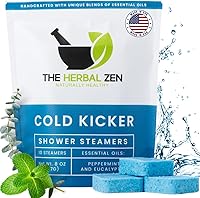
 Best for natural essential oils
The Herbal Zen Cold Kicker Shower Steamers
How the cold shower feels in daily use
A cold shower feels sharp at first, then clear and alert. The water hits your skin at tap temperature, so there is no warm-up period.
Many people start with a short rinse and breathe through the first seconds. The shock fades within a minute, and the rest of the shower can feel steady.
Cold water can make muscles and skin feel tense at first. If you have sensitive skin, a full cold shower may feel harsh on the scalp and face.
Cold showers can also make it harder to wash at a slow pace. You may rush, which can lead to missed spots if you are not careful.
On the plus side, cold water rinses soap and shampoo cleanly. Some people like the clean, cool finish after a workout or a hot day.
If you want more cold time than a shower gives, learn how to cold plunge. That guide covers time, entry and safety in plain steps.
How the hot shower feels in daily use
A hot shower feels warm and relaxing, with steam that fills the room. The water soothes skin and helps you wash at a calm pace.
Steam is a big part of the hot shower experience. It softens the air, and it helps scented steamers dissolve and spread their scent.
Hot water can help you relax your shoulders and legs during a wash. That feel matters at night, when you want to slow down before bed.
Hot water can also dry skin if the temperature is too high or the shower runs too long. A moderate temperature can keep comfort without the tight, dry feel.
Long hot showers can fog mirrors and dampen the room. Good ventilation helps, and it also protects walls and fixtures over time.
If you like a hot shower but want a cold contrast, a short cold rinse at the end is a simple way to try it.
Cold shower vs hot shower on alertness and mood
Cold often feels more alerting, while hot often feels more calming. That difference shapes when each fits your day.
A cold shower raises your heart rate and breathing briefly. That sharp start can clear morning grogginess faster than a warm shower.
Hot showers lower the pace of your routine. Warmth and steam help you unwind, which suits an evening shower after work.
Neither effect lasts all day. Your response may also differ by season and sleep, so a cold shower after poor sleep can feel rough.
Try both at the same time of day for a week. Note how long you stay in and how you feel after.
For a stronger cold routine, compare a cold shower vs cold plunge. That guide shows when a plunge adds more cold time than a shower can.
Skin, hair and comfort during each shower
Cold water can feel tight on skin, while hot water can dry skin if it is too hot. Temperature and time both matter.
Cold water gives a clean, cool finish after a hot shower. Many people like that fresh rinse at the end of a wash.
Full cold showers can feel harsh on the face and scalp. If your skin tingles or feels tight, shorten the cold time or mix in warm water.
Hot water lifts oils and soap with ease. That helps wash sweat and sunscreen, but very hot water can strip natural oils from skin and hair.
Hair can feel dry after long, very hot showers. A lukewarm rinse at the end can leave hair feeling softer.
Children and older adults often prefer moderate water, since very cold or very hot showers can be uncomfortable and raise safety concerns.
Time, water and energy use
Cold showers tend to be shorter and use less heated water. Hot showers tend to run longer and need more energy to heat each liter.
A cold shower has a built-in limit. Most people do not stay under cold water for 10 minutes, so the shower ends sooner.
A hot shower has no such limit. Comfort can stretch the time, and each extra minute uses more heated water.
Shorter showers also save water, regardless of temperature. A timer or a playlist can keep either option in check.
If you shower outdoors, the energy picture changes. A propane tankless heater uses fuel to heat water on demand, while a pump alone uses battery power to move cold water.
The CAMPLUX 5L Portable Tankless Water Heater heats water as it flows, so you do not heat a full tank for one shower.
Which products help a hot shower feel better
Steamers add scent to a warm shower, and warm water is what makes them work. They do not change water temperature, but they change the feel of the room.
Vicks VapoShower Plus has 12 tablets with eucalyptus, menthol and camphor scents. You place one on the shower floor, step in, and keep warm water running until it dissolves.
That design suits people who want a strong scent in a hot shower. The tablets are non-medicated and work best with steady warm water.
The Herbal Zen Cold Kicker Shower Steamers come in a 10 pack with peppermint and eucalyptus essential oils. The brand uses natural essential oils and no synthetic fragrance.
That set suits people who prefer a plant-based scent and a smaller pack. Like other steamers, it needs warm water to dissolve and release scent.
Steamers will not help a cold shower much. Cold water gives little steam, so the tablet may dissolve slowly and spread less scent.
Portable showers for camping and off-grid use
A pump moves water, while a tankless heater makes it hot. That split decides which gear you need outdoors.
The vignuto Portable Shower for Camping has a 6000mAh rechargeable battery and can run for 150 minutes. It includes a shower head, a spray gun head, a 6.7-foot water pipe and a Type-C charging cable.
The LED display shows battery level and water temperature from 50 to 140 F. The kit has no heating function, so it moves water at the source temperature.
That pump suits camping, car washing, dog washing and rinsing dishes. You place the pump in a bucket or source and use the shower head at the other end.
The CAMPLUX 5L Portable Tankless Water Heater gives 1.32 gallons of hot water per minute. It weighs 10 pounds, has a folding handle and runs on propane with 2 D-size batteries for ignition.
It starts at 3.0 PSI, so it can work with a small pump or a gravity water bag. The package includes a shower head and hose, a 5-foot gas regulator and hardware.
For a full cold routine at home or outdoors, read when to cold plunge.
Safety and setup for outdoor hot water
Outdoor hot water needs space, ventilation and a stable setup. A propane heater is safe when you follow its manual and keep it outside.
Set the CAMPLUX heater on a level, stable spot with clear air flow around it. Keep it away from bedding, tents and other items that could catch fire.
Propane needs care. Store tanks upright, check hoses for damage, and keep the gas connection tight before you light the heater.
Hot water can scald, so test the temperature before a child or pet uses it. The heater has overheat protection and a maximum temperature of 114 F, but you should still check the flow by hand.
Hang or mount the unit as directed, connect water and gas, and check for leaks. Low pressure startup helps with small pumps, but it does not remove the need for setup.
A pump setup is simpler. Charge the battery, fill a bucket or source, place the pump where the intake stays submerged, and keep the Type-C cable dry during use.
For a fixed home cold setup, compare hot tub vs cold plunge.
Who should choose a cold shower
Choose cold if you want a short, sharp shower and you like a brisk morning start. Cold suits people who wake fast and wash fast.
Cold showers suit morning routines, post-workout rinses and hot days. The water feels clean and cool, and the shower tends to end sooner.
Cold also suits people who want to cut heated water use at home. You still use water, but you skip the energy cost of heating it.
Cold may not suit people with sensitive skin or those who struggle to start the day. A full cold shower can feel harsh, especially in winter.
Cold may also be a poor pick if you need time to wash hair, shave or use skin care. Warm water gives you more time to do those tasks at a calm pace.
A short cold rinse is a good test if you are unsure. Start warm, wash, then turn the water cold for 20 to 30 seconds and build up from there.
Who should choose a hot shower
Choose hot if you want comfort, steam and time to wash well. Hot suits evening routines and people who need a slower pace.
Hot showers suit night routines, dry weather and days when you want to relax muscles. The steam and warmth help the room feel calm.
Hot also suits families with children and older adults who prefer moderate water. You can set a safe temperature and keep the shower comfortable.
Hot may not suit people who rush in the morning. A long hot shower can eat time and leave you feeling sleepy.
Hot may also be tough on sensitive or dry skin if the water is very hot. Keep the temperature moderate and the time in check.
If you want scent with your hot shower, steamers are a simple add-on. Vicks and The Herbal Zen both need warm water, so they fit a hot routine, not a cold one.
Final verdict on cold vs hot showers
Pick cold for alertness and short showers, and pick hot for comfort and steam. That rule fits most homes because you can switch by moving the shower handle.
Cold shower vs hot shower is not a one-time choice. You can use hot water on cold mornings, cold water after workouts and a mixed rinse on other days.
At home, try a week of each at the same time of day. Track shower length, skin comfort and how you feel after, then keep the pattern that fits your routine.
Outdoors, match the gear to the goal. Use a pump for cold water and a propane tankless heater for hot water, and keep both setups safe and stable.
If you want more cold exposure than a shower gives, start with what's a cold plunge and build your routine step by step.
Frequently asked questions
Is a cold shower better than a hot shower?
Neither is better for everyone. A cold shower feels sharper and shorter, while a hot shower feels more comfortable and creates steam.
Choose by your routine, skin comfort and whether you want a wake-up hit or a relaxing wash.
Can I get hot water from a portable shower when camping?
A pump alone does not heat water. The vignuto Portable Shower for Camping moves water but has no heating function.
The CAMPLUX 5L Portable Tankless Water Heater heats water with propane and gives instant hot water outdoors.
Do shower steamers work in a cold shower?
Shower steamers need warm water to dissolve and release scent. Vicks VapoShower Plus and The Herbal Zen Cold Kicker Shower Steamers work best when you run warm water while you shower until the tablet dissolves.
Is a cold shower the same as a cold plunge?
No. A shower runs water over you for a few minutes, while a plunge asks you to sit or stand in cold water for a set time.
Our cold shower vs cold plunge guide explains the setup and time differences in more detail.