Do Infrared Saunas Get Hot? What to Expect Inside

Yes, infrared saunas do get hot, but often feel much less intense than traditional saunas. You can expect comfortable, radiant heat that penetrates your body. While the air temperature might be lower, the infrared waves work to warm you directly, creating a pleasant sweating experience without extreme heat. Think of it as a gentle warmth that feels surprisingly effective.
Unlike a steam room that heats the air around you, an infrared sauna uses special heaters to emit infrared light. This light converts to heat when it touches your skin. This means you can enjoy a deep, therapeutic sweat at lower ambient temperatures. We found this makes it a comfortable option for many people who find traditional saunas too overwhelming. It’s a different kind of heat, and often a more enjoyable one.
- Infrared saunas heat your body directly, not just the air.
- Temperatures are often lower than traditional saunas.
- Expect a comfortable, deep sweating experience.
- The heat feels gentle but effective.
Let’s walk through exactly what you can expect when you step inside an infrared sauna.
“`htmlUnderstanding Infrared Sauna Heat Levels
So, do infrared saunas get hot? The short answer is yes, but not in the way you might expect. We found that people often wonder if they’ll feel like they’re sitting in a furnace. That’s usually not the case. Instead, infrared saunas provide a gentle, radiant warmth. This warmth comes directly from infrared heaters, not by heating the air around you.
Think of it like standing in the sun on a cool day. You feel the warmth on your skin directly, even if the air isn’t scorching. Infrared saunas work similarly. The heaters emit infrared light that your body absorbs. This light then converts into heat within your tissues. This is a key difference from traditional saunas. They rely on high air temperatures to make you sweat.
Air Temperature vs. Body Temperature
You’ll notice the air temperature in an infrared sauna is often much lower than in a traditional Finnish sauna. We typically see temperatures ranging from 120°F to 145°F (49°C to 63°C). Some models might go a bit higher or lower. This contrasts with traditional saunas, which can reach 150°F to 195°F (65°C to 90°C) or even higher.
Why does this matter? Because the heat is coming directly to you, you still experience a deep, penetrating warmth. Your body heats up from the inside out. Many users report feeling a very satisfying sweat even at these lower temperatures. It’s a different sensation, often described as more comfortable and less suffocating.
What the Heat Feels Like
The sensation inside an infrared sauna is often described as a deep, soothing warmth. It’s not the immediate, intense blast of heat you get from a traditional sauna. Instead, it’s a gradual warming that seeps into your muscles. Imagine a warm hug from the inside. Many find this makes it easier to relax and stay in the sauna for longer periods.
You won’t typically feel the same dry, stifling air. The humidity is usually low. This means your skin might feel warm, and you’ll sweat, but it won’t feel like you’re being blasted with hot air. The focus is on delivering therapeutic heat directly to your body’s core. We found this direct heat absorption is what leads to the perceived effectiveness for many users.
Your Infrared Sauna Experience: What to Expect
Stepping into an infrared sauna is generally a straightforward and pleasant experience. We’ve broken down what you can expect from the moment you enter.
Before You Enter
It’s a good idea to drink plenty of water before your session. Hydration is key for any sauna experience, especially when you’re going to sweat. We recommend having a large glass of water about 30 minutes before you plan to start. Some people also like to do some light stretching or a short walk to get their circulation going.
Most infrared saunas are designed for individual use or small groups. When you enter, you’ll typically find a clean, comfortable space. There are usually wooden benches or seating. Some models have built-in sound systems or chromotherapy lights, but the core function is the infrared heating. You’ll likely find towels provided or can bring your own.
The Session Itself
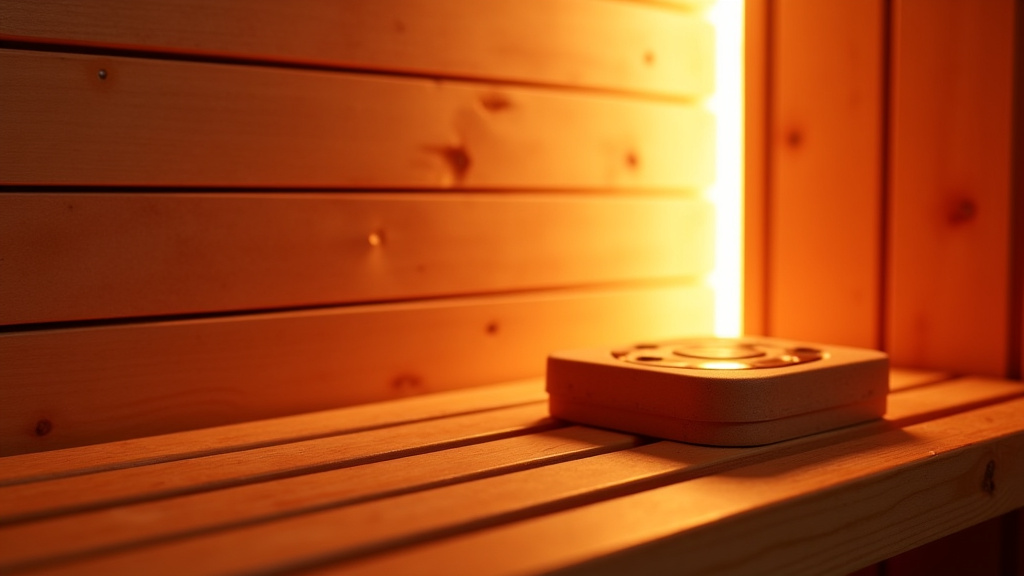
Once you’re inside, the sauna will likely already be preheated. The heaters are usually panels on the walls, floor, or ceiling. You’ll feel the radiant heat immediately. It’s not an aggressive heat, but a steady, pleasant warmth that starts to envelop you.
As your session progresses, you’ll begin to feel your body temperature rise. Sweating usually starts within 10-20 minutes. The amount of sweat can vary from person to person. Some people sweat profusely, while others sweat less. This is perfectly normal. What matters is that your body is experiencing the therapeutic heat.
Adjusting the Temperature and Time
Most infrared saunas allow you to adjust the temperature and timer. Start with a lower temperature setting, perhaps around 120°F (49°C), for your first few sessions. You can gradually increase the temperature as you become more accustomed to it. The recommended session length is typically 20-45 minutes.
Listen to your body. If you feel lightheaded or uncomfortable, it’s okay to exit the sauna early. We found that many users gradually increase their session time and temperature over several weeks. This gradual approach helps your body adapt and get the most benefit. Setting a timer ensures you don’t overstay your welcome.
After Your Session
When your session is complete, take a moment to cool down gradually. Avoid jumping straight into a cold shower immediately, especially if you felt very warm. Step out of the sauna and let your body temperature normalize for a few minutes. You might feel a bit drowsy, which is common.
You’ll likely be quite sweaty. It’s a good time to rehydrate. Drink more water! Some people like to follow their session with a cool shower to rinse off the sweat. Others prefer a gentle rinse or just towel drying. Many find their skin feels soft and refreshed afterward.
Comparing Infrared Heat to Other Heat Sources
Understanding how infrared heat differs can help set your expectations. It’s not just about temperature; it’s about the method of heat delivery.
Infrared vs. Traditional Saunas
We’ve touched on this, but it bears repeating. Traditional saunas heat the air, which then heats your body. This creates a very hot, often humid, environment. Infrared saunas heat your body directly with infrared light waves. This allows for a lower air temperature but a deep, penetrating heat. Understanding the method of heat delivery helps explain the difference in sensation and temperature.
Here’s a quick comparison we put together:
| Feature | Infrared Sauna | Traditional Sauna |
|---|---|---|
| Primary Heat Source | Infrared emitters (light waves) | Stove heating rocks (hot air/steam) |
| Air Temperature | 120°F – 145°F (49°C – 63°C) | 150°F – 195°F (65°C – 90°C) |
| Heat Feel | Gentle, radiant, direct to body | Intense, enveloping hot air, steam |
| Sweat Experience | Deep sweat at lower temp | Profuse sweat at high temp |
| Humidity | Low | Variable (can be high with water on rocks) |
Infrared vs. Steam Rooms
Steam rooms are entirely different. They operate at lower temperatures than both infrared and traditional saunas, typically around 110°F to 120°F (43°C to 49°C). However, they are filled with 100% humidity, making the air feel very heavy and wet.
The heat in a steam room comes from the steam, which surrounds you. While it can feel intensely warm due to the high moisture content, it doesn’t penetrate the body in the same way infrared heat does. Infrared heat targets your tissues directly, promoting a different kind of cellular response. Many find steam rooms can feel harder to breathe in, whereas infrared saunas are generally easier on the respiratory system (National Institutes of Health).
Is the Heat Safe and Effective?
The safety and effectiveness of infrared saunas are supported by a growing body of research. The heat generated is within safe limits for human exposure. The National Institutes of Health (NIH) notes that the body’s core temperature can be raised safely in controlled environments, which saunas provide.
The effectiveness comes from the infrared wavelengths used. These wavelengths are chosen to match those naturally emitted by the human body. This allows for efficient heat absorption. Many studies suggest benefits related to circulation and muscle relaxation, often attributed to the increased body temperature and sweating (PubMed Central).
Tips for a Comfortable and Safe Session
To ensure your infrared sauna experience is both enjoyable and beneficial, keep these simple tips in mind:
- Always hydrate well before and after your session.
- Start with shorter sessions and lower temperatures.
- Listen to your body and exit if you feel unwell.
- Avoid using alcohol or heavy meals before your sauna.
- Consult your doctor if you have any health concerns.
- Ensure the sauna is properly ventilated during use.
Conclusion
So, do infrared saunas get hot? Yes, they do, but you can expect a comfortably warm experience rather than an intense blast of heat. The radiant warmth penetrates your body directly, allowing for deep relaxation and effective sweating at air temperatures lower than traditional saunas. This makes them a great option if you find high heat overwhelming. You’ve learned what to expect from stepping inside, adjusting the settings, and the cool-down process. Ready to give one a try? Consider starting with a shorter session at a lower temperature to let your body adjust.
Frequently Asked Questions
Will I sweat a lot in an infrared sauna?
Yes, you can expect to sweat, often quite a bit. Even though the air temperature is lower, the infrared heat works directly on your body to induce a deep sweat. The amount you sweat can vary from person to person and depends on the session’s length and temperature.
Can I adjust the temperature and time in an infrared sauna?
Most infrared saunas allow you to control both the temperature and the session duration. We recommend starting with lower settings, around 120°F (49°C) for 20 minutes, and gradually increasing them as you get used to the heat.
Is the heat from an infrared sauna safe for my skin?
The infrared heat used in these saunas is considered safe for your skin. It’s a gentle, radiant heat that penetrates your body without causing burns. The temperatures are well within safe limits for human exposure during a typical session.
What’s the difference between infrared heat and regular heat?
The main difference is how the heat is delivered. Traditional saunas heat the air, which then heats you. Infrared saunas use light waves that convert to heat directly within your body tissues, providing a more targeted and often gentler warmth at lower air temperatures.
Can I use an infrared sauna if I have health concerns?
If you have any health conditions or concerns, it’s always best to consult your doctor before using an infrared sauna. They can advise you on whether it’s safe for your specific situation, especially if you have cardiovascular issues or are pregnant.