How Does an Infrared Sauna Work? Explained

An infrared sauna works by using infrared light waves to directly heat your body, rather than just heating the air around you. This allows for a deeper penetration of heat, which many people find more comfortable than traditional saunas. You’ll experience a gentle warmth that helps you relax and sweat.
Unlike traditional saunas that use steam or hot rocks, infrared saunas use special emitters to produce infrared heat. This type of heat is invisible and safe, similar to the warmth you feel from the sun. Many find this heat to be more tolerable for longer periods, making your sauna session more enjoyable.
- Infrared saunas use light waves to heat you directly.
- This offers a gentler, deeper warmth than hot air.
- Special emitters create safe, invisible infrared heat.
- You can enjoy longer, more comfortable sessions.
Let’s walk through exactly how these unique saunas do their magic and what you can expect.
Understanding How Infrared Saunas Warm You Up
You might be curious about the science behind infrared saunas. Unlike traditional saunas that heat the air, infrared saunas use special light waves to warm your body directly. This method feels different and has some unique benefits you’ll want to know about.
The Magic of Infrared Light
Infrared light is a type of electromagnetic radiation. You can’t see it, but you can feel it as heat. Think about the warmth you feel from the sun on a cool day. That’s infrared energy at work. These saunas use emitters to produce this safe, invisible heat. It’s the same kind of heat used in incubators for premature babies (NIH).
Wave Lengths Matter
Infrared heat comes in different wavelengths: near, mid, and far. Different types of emitters produce different wavelengths. Most infrared saunas use emitters that produce far-infrared wavelengths. This type penetrates the skin most effectively. This allows for a gentle, deep warmth that can be very relaxing. Some saunas may also include near and mid-infrared emitters for specific effects.
Direct vs. Indirect Heating
Here’s where infrared saunas really differ from traditional ones. Traditional saunas heat the air first. This hot air then heats your body. It can sometimes feel very intense and even uncomfortable. Infrared saunas, on the other hand, target your body directly with infrared waves. This means the heat is absorbed by your skin right away. You feel the warmth without the stifling, dry or steamy air.
This direct heating method has a few key advantages. Firstly, it allows for a more comfortable temperature. While traditional saunas might reach 150-195°F, infrared saunas typically operate between 120-140°F. This lower temperature can make your session much more enjoyable, especially if you’re sensitive to heat. Secondly, the heat penetrates deeper. This deeper penetration is thought to offer more benefits.
The Components of an Infrared Sauna
So, what actually makes an infrared sauna work? It’s a combination of smart design and specific technology. You’ll find the main elements are the enclosure, the heat emitters, and the control system. Let’s break down each part.
The Enclosure: Your Personal Heat Cocoon
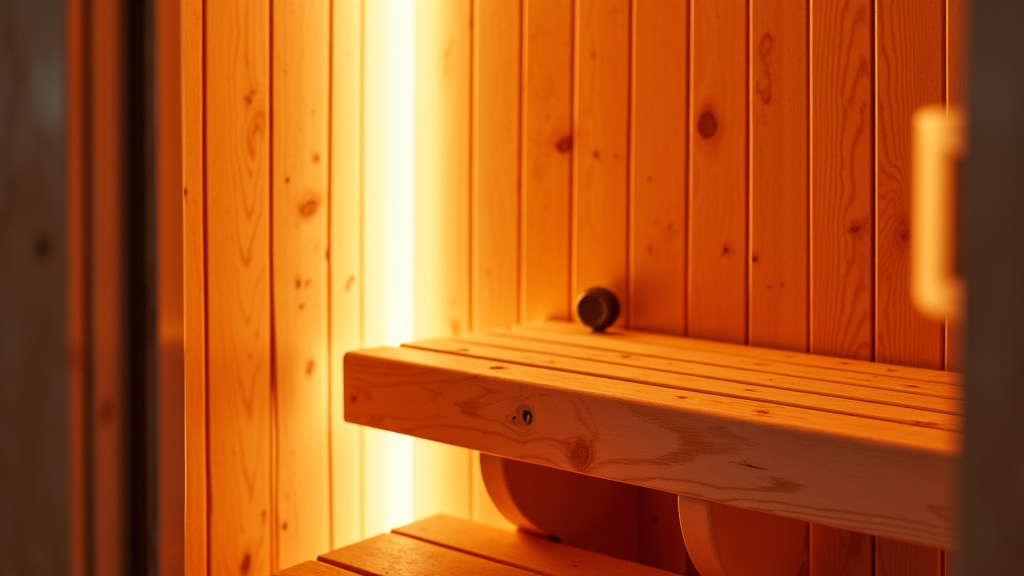
The walls of an infrared sauna are usually made from wood. Common choices include cedar, basswood, or hemlock. These woods are chosen because they don’t release a lot of toxins when heated. The enclosure is designed to trap the infrared heat effectively. It’s built to be a cozy, personal space for your relaxation. Some enclosures are designed as standalone units, while others can be installed as part of a larger room.
The Heat Emitters: The Heart of the Sauna
These are the pieces of technology that produce the infrared heat. They are strategically placed within the sauna cabin. You’ll typically find them on the walls and sometimes on the floor. These emitters use electricity to generate infrared light. There are a few types of emitters:
- Carbon Emitters: These are very popular. They provide a broad spectrum of infrared heat and are known for their even heat distribution. They tend to be more energy-efficient and can heat up quickly.
- Ceramic Emitters: These can produce a more intense, focused heat. They are often hotter than carbon emitters. Some people find this direct heat very effective for targeting sore muscles.
- Glass or Halogen Emitters: These are less common in modern infrared saunas. They can emit near-infrared wavelengths as well as heat.
Many manufacturers use a combination of emitters to provide a balanced heating experience. We found that the type and placement of these emitters can significantly impact how you feel the heat.
The Control System: Your Temperature Tamer
Every infrared sauna comes with a control panel. This panel allows you to adjust the temperature and set the timer for your session. Most modern units have digital displays. They make it easy to set your desired heat level and duration. Some advanced models even offer pre-set programs for different wellness goals.
How Your Body Reacts to Infrared Heat
When you step into an infrared sauna, your body begins to respond to the gentle heat. The infrared waves penetrate your skin, reaching tissues below the surface. This is where the main action happens. Your body’s natural response is to cool itself down. How does it do that? By sweating.
The Power of Sweating
Sweating is your body’s natural way of regulating its temperature. As the infrared heat warms your body, your core temperature begins to rise. Your brain then signals your sweat glands to activate. You’ll start to notice sweat on your skin. Many users report sweating more profusely in an infrared sauna compared to a traditional one, even at lower temperatures. This increased perspiration is a key benefit that people seek.
Research suggests that sweating can help your body eliminate certain toxins. While the exact mechanisms and extent are still being studied, the act of sweating itself can be cleansing (CDC). The deep heat from infrared saunas can help your body reach a higher core temperature more efficiently, leading to a more robust sweat response. It feels like a gentle internal cleanse.
Deeper Muscle Relaxation
The penetrating heat from infrared saunas can reach your muscles directly. This can help to relieve tension and soreness. Think of it like a warm compress applied deep within your body. Many athletes and individuals with muscle pain use infrared saunas for recovery. The warmth helps increase blood flow to the muscles, which can speed up healing and reduce stiffness. This makes it easier to move and feel more comfortable afterwards.
We found that many people use infrared saunas specifically for muscle recovery after workouts. The mild heat is often reported as being more soothing than the intense heat of a traditional sauna for this purpose. It allows for longer, more comfortable sessions focused on muscle relaxation.
Comparing Infrared to Traditional Saunas
It’s helpful to see how these two types of saunas stack up. While both offer a way to relax and sweat, their methods are quite different.
| Feature | Infrared Sauna | Traditional Sauna |
|---|---|---|
| Heating Method | Infrared light waves heat body directly | Heats air with steam or hot rocks |
| Operating Temperature | 120-140°F (49-60°C) | 150-195°F (65-90°C) |
| Heat Penetration | Deeper into tissues | Surface level (via hot air) |
| Humidity | Low | Can be high (with steam) |
| Comfort for Longer Sessions | Generally more comfortable | Can be intense, shorter sessions |
As you can see, the core difference lies in how the heat is delivered. Infrared saunas offer a milder, deeper heat. Traditional saunas provide a more intense, enveloping heat through hot air. Which one is right for you depends on your personal preference and what you hope to gain from your sauna experience.
Getting the Most Out of Your Infrared Sauna Session
Now that you understand how infrared saunas work, you’ll want to know how to use them effectively. Here are a few tips to help you enjoy your experience and maximize the benefits:
- Hydrate well: Drink plenty of water before, during, and after your session. Sweating can dehydrate you.
- Start slow: If you’re new to infrared saunas, begin with shorter sessions (10-15 minutes) at a lower temperature. Gradually increase the time and heat as you get comfortable.
- Listen to your body: Pay attention to how you feel. If you feel dizzy or unwell, end your session immediately.
- Cleanliness is key: Wipe down the interior of your sauna after each use to keep it clean and hygienic.
- Consistency matters: Regular use often leads to the best results. Aim for a few sessions per week if possible.
Conclusion
You now understand that infrared saunas work by using special light waves to directly warm your body. This offers a gentler, deeper heat than traditional saunas. We found that the combination of specific emitters and smart design creates a comfortable, relaxing experience. You can enjoy a more pleasant sweat session that may help with muscle relaxation and a sense of internal cleansing. To get started, consider trying a shorter session at a lower temperature and stay well-hydrated. Your journey to a more relaxing sauna experience awaits!
Frequently Asked Questions
Are infrared saunas safe for daily use?
For most healthy adults, infrared saunas are considered safe for daily use. However, it’s always wise to listen to your body and consult with your doctor if you have any health concerns. Starting with shorter sessions can help you gauge your body’s reaction.
What is the main difference in how infrared and traditional saunas heat you?
The main difference is how the heat reaches you. Infrared saunas use light waves to heat your body directly. Traditional saunas heat the air around you using steam or hot rocks, and that hot air then warms your body.
Can infrared saunas help with muscle soreness?
Yes, the deep-penetrating heat from infrared saunas can help relieve muscle tension and soreness. Increased blood flow to the muscles stimulated by the heat may aid in recovery after exercise or physical activity.
How long should a typical infrared sauna session last?
A typical session usually lasts between 15 to 30 minutes. If you’re new to infrared saunas, it’s recommended to start with shorter sessions of about 10-15 minutes and gradually increase the duration as you become more accustomed to the heat.
Do I need to do anything special before using an infrared sauna?
Before your session, ensure you are well-hydrated by drinking water. It’s also a good idea to avoid heavy meals right before to ensure maximum comfort. Some people like to shower beforehand, but it’s not strictly necessary.