How to Care for a Hot Tub Cover
Hot tub cover care means rinsing the cover, cleaning the vinyl with a suitable cleaner, drying it fully, and checking the foam, seams, straps, and underside on a routine schedule. Keep the cover supported and off the ground when removed.
On this page (10 sections)
- How often should you clean a hot tub cover?
- What is the safest way to wash a hot tub cover?
- How do you dry a hot tub cover after cleaning?
- Should you use a protectant on a hot tub cover?
- How can you lift and store a cover without damage?
- What should you inspect during hot tub cover care?
- How does spa water chemistry affect the cover?
- When should you replace or repair a cover?
- More guides on this topic
- What is the simple hot tub cover care routine?
Hot tub cover care means rinsing the cover, cleaning the vinyl, drying it completely, and checking its foam and seams on a regular schedule. Good care helps the cover stay easier to handle and helps you spot damage before water reaches the foam.
A cover protects the spa from leaves, dust, rain, and heat loss, but it also faces sunlight, moisture, chemical residue, and repeated lifting. That mix is why small cleaning and inspection habits matter more than they first seem.
If you are choosing a spa as well as maintaining one, our hot tub buying guide explains the main features to compare. Matching cover care to the size, shape, and placement of your spa makes the routine easier to keep up.
A few minutes each month can also make lifting safer and storage simpler. You will notice problems sooner when the vinyl, hinge, and underside stay clean enough to inspect properly.
How often should you clean a hot tub cover?
Clean the cover about once a month and rinse it whenever dirt or residue appears. A cover under trees, in full sun, or near a dusty path may need attention more often.
Remove loose leaves and debris before wet cleaning. Use a soft brush or cloth so grit doesn't rub across the vinyl, then rinse with clean water.
Open the cover and inspect the underside, especially around the center fold and the edges. Look for dirt, mildew-like marks, torn stitching, loose straps, or areas that feel unusually soft or heavy.
What is the safest way to wash a hot tub cover?
Use clean water, a soft cloth, and a vinyl cleaner made for spa covers. Avoid abrasive pads, stiff brushes, solvents, bleach mixtures, and general degreasers unless the cover manufacturer specifically approves them.
Work in small sections. Rinse first, apply the cleaner as directed, wipe gently, and rinse away all residue so it doesn't run into the spa when the cover is replaced.
Keep the cover supported while you clean it. Do not stand it on a sharp corner or drag it across concrete, decking, gravel, or soil.
Which hot tub cover cleaner should you choose?
A suitable cleaner should remove surface dirt without leaving a harsh residue on the vinyl. Our guide to the best hot tub cover cleaner compares cleaner and protectant options for this specific job.
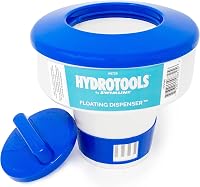
The SWIMLINE floating dispenser takes 1 in and 3 in tablets, has an adjustable flow rate, and is made with double reinforced materials. Its role is water maintenance, not vinyl cleaning, so use it alongside a proper cover-care routine.
How do you dry a hot tub cover after cleaning?
Let both sides dry fully before folding or replacing the cover. Trapped moisture can encourage odors and can make it harder to see whether the foam or seams are taking on water.
Wipe away standing water with a clean towel, then leave the cover open in a clean area. Keep it away from sharp objects, pets, and strong wind while it dries.
Avoid directing strong heat at the vinyl. Hair dryers, heat guns, and heaters can damage the cover skin or create uneven drying.
Dry the underside as carefully as the top. If water repeatedly collects in one area, check whether the cover is sagging, the foam has shifted, or the hinge is allowing water inside.
Should you use a protectant on a hot tub cover?
Use a spa-cover vinyl protectant only after cleaning and drying the cover. A suitable product can help limit drying from sunlight, but it cannot repair cracked vinyl or replace waterlogged foam.
Protectant works best as a finishing step rather than a fix. If the cover is still dirty or damp, a coating can trap residue against the vinyl and make later cleaning harder.
Apply a thin, even coat according to the product directions. Work in small sections so you can cover the top, edges, and corners without using more product than needed.
Keep protectant away from the spa water, pillows, steps, and walking surfaces because residue may make them slippery. Wipe any splashes from surfaces that hands and feet will touch before you replace the cover.
Do not assume a shiny surface means the cover is protected. Shine matters less than flexibility, clean seams, and a vinyl surface that has not dried out or cracked.
Choose a product made for spa covers and test it on a small hidden area first. This check helps you see how the finish looks and whether the vinyl reacts in a way you do not want.
The most useful routine is still regular rinsing, careful lifting, prompt drying, and inspection. Protectant can support that routine, especially in strong sun, but it should never replace it.
How can you lift and store a cover without damage?
Use two people or a cover lifter, and never drag the cover across the ground. Folding it at the designed hinge reduces stress on the vinyl and foam.
The Cover Caddy Cover Valet Hot Tub Spa Cover Lifter uses an undermount-cabinet design, gas spring assistance, removable straps, and XL spacers for spa covers with 6 in to 4 in tapers. It is made of plastic and is water resistant.
Check the lifter's fit against your spa and cover before installation. Keep the cover supported in the lifter rather than leaning it against a wall or folding it over a sharp edge.
The lifter helps with handling, but it doesn't clean, dry, or repair the cover. Wipe dirt from contact points and inspect straps and hinges as part of your normal care.
What should you inspect during hot tub cover care?
Check the vinyl, stitching, hinge, straps, handles, underside, and foam at least once a month. Small tears and loose seams are easier to address before they spread.
Look for cracks or fading on the top surface. Check the corners for splitting and examine the hinge area for stretched or separated stitching.
Press lightly on each half of the cover. Uneven weight, sagging, or a section that feels waterlogged can point to wet foam inside.
For small tears, use a repair method made for spa-cover vinyl. Our guide to hot tub cover repair explains when a patch or tape may help and when the damage calls for more extensive work.
If the outer skin is badly cracked but the foam remains usable, review hot tub cover vinyl skin replacement before replacing the entire cover. If the foam has absorbed water, see hot tub cover foam insert replacement.
How does spa water chemistry affect the cover?
Balanced spa water and a clean underside help reduce chemical residue on the cover. Excess residue can collect where the cover rests on the shell and may contribute to odors or surface buildup.
Test the water with an appropriate kit and follow your spa manufacturer's chemical instructions. Keep the cover open for the time recommended after chemical treatment, especially after adding sanitizer.
The SpaChoice Premium Spa Sanitizing Chlorine Granules are made for hot tubs and spas. The product directions specify 6 teaspoons for each 500 gallons at start-up, with testing and adjustment of free available chlorine before re-entry.
SpaChoice identifies the granules as 99% sodium dichlor and states that they dissolve quickly, control algae, and kill bacteria. Follow the product directions and your spa manual, since sanitizer compatibility and dosing depend on the system.
Never mix chemicals together in the same container. Keep the cover open only as long as needed, and don't let concentrated chemical residue sit on the underside.
When should you replace or repair a cover?
Repair a cover when the damage is limited and the foam remains firm and dry; replace major components when the cover is waterlogged, badly sagging, or structurally weak. A patch cannot restore foam that has absorbed water.
Use hot tub cover repair kits when the repair matches the kit's intended use and the vinyl around the damage is still sound. Clean and dry the area before applying any patch or tape.
A cover that has become heavy can strain hinges, straps, and lifters. If one half no longer holds its shape, compare the cost and effort of a new foam insert, a new skin, or a complete replacement.
More guides on this topic
- Best Hot Tub Cover Protectant Sprays
What is the simple hot tub cover care routine?
Rinse the cover, clean it monthly, dry both sides, apply suitable protectant, and inspect the vinyl and foam. Lift it with care, keep it off rough surfaces, and maintain spa water according to the manual.
Pick a cover cleaner when surface dirt is the main issue. Pick a protectant when clean, dry vinyl needs help facing sun exposure, and choose a repair kit when the damage is small and localized.
For a broader heat-and-water comparison, read Sauna vs Hot Tub: Dry Heat or Warm Water?. Keep the cover routine simple enough to repeat, because consistent care matters more than occasional heavy cleaning.
Frequently asked questions
How often should you clean a hot tub cover?
Clean a hot tub cover about once a month, then rinse it whenever pollen, dust, leaves, or chemical residue build up. Covers in direct sun, under trees, or near heavy use may need more frequent care.
Always let the vinyl dry before applying a suitable protectant.
Can you use household cleaner on a hot tub cover?
Use a vinyl cleaner approved for spa covers instead of harsh household cleaners, solvents, or abrasive products. Strong chemicals can dry the outer skin, affect the stitching, or leave residue that reaches the water.
Test any cleaner on a small hidden area first.
Should you condition a hot tub cover?
Yes, a vinyl protectant can help reduce drying from sun exposure when it is made for hot tub covers. Apply it to clean, dry vinyl and follow its directions.
Avoid oily products that leave a slippery surface or can transfer into the spa water.
How do you keep a hot tub cover from getting waterlogged?
Keep the cover clean, support it correctly, and inspect the seams, hinge, straps, and foam regularly. Do not fold or drag it on a rough surface.
If the foam feels heavy or sags, inspect it for water absorption and consider a foam insert replacement.