How to Repair a Hot Tub Cover
Repair a hot tub cover when the vinyl, stitching, or small seam damage is limited. Replace it when waterlogged foam, broken hinges, widespread cracks, or structural damage makes a patch unreliable.
On this page (8 sections)
- Can you repair a torn hot tub cover?
- How do you repair a small hot tub cover tear?
- How do you repair a hot tub cover seam?
- Can you repair waterlogged hot tub cover foam?
- How can you prevent another hot tub cover tear?
- How does water care affect a hot tub cover?
- When should you replace instead of repair?
- What is the safest hot tub cover repair decision?
Repair a hot tub cover when the damage is small, dry, and limited to the vinyl or one seam. Replace the cover when the foam is waterlogged, the hinge has failed, or cracks and tears cover several areas.
A cover protects the water from debris and helps reduce heat loss. A small opening can let moisture reach the foam, so inspect the damage before choosing a patch.
Can you repair a torn hot tub cover?
You can repair a small vinyl tear if the surrounding material is still flexible and firmly attached. A patch works best when it extends beyond the damaged area on every side.
Start by removing the cover from the spa and placing it on a clean, flat surface. Do not drag it across rough ground, since extra friction can enlarge the tear.
Clean the area with a mild cleaner that suits the cover material. Rinse away residue, let the vinyl dry fully, and remove loose threads or ragged edges without cutting into sound material.
Measure the tear before selecting a repair method. A small puncture may need only a compact patch, while a long split near a corner or hinge deserves closer inspection.
For broader maintenance, see our guide to hot tub cover care. It covers cleaning, drying, and handling habits that help prevent another tear.
What should you check before hot tub cover repair?
Before starting hot tub cover repair, check the vinyl, seams, foam, hinge, straps, and underside. The visible tear may be only the first sign of a larger problem.
Look for these warning signs:
- Water trapped inside the foam
- A cover that feels unusually heavy
- Cracks across several panels
- A broken or separating center hinge
- Torn straps or damaged handles
- Seams pulling apart under light pressure
- A cover that no longer sits squarely on the spa
Lift one side carefully and compare its weight with the other side. If one half feels heavy or bends sharply, moisture may have reached the foam insert.
A cover that stays flat, feels dry, and has one isolated tear is a stronger repair candidate. A cover with sagging foam or several failing seams may cost more time to repair than it is worth.
How do you repair a small hot tub cover tear?
Clean, dry, align, patch, and press the damaged vinyl. Follow the repair material's curing instructions and keep the cover out of rain until the repair is secure.
Place the torn edges together without stretching them. If the vinyl is pulled tight, the patch may carry extra tension every time the cover is folded.
Cut a patch with rounded corners if the repair material requires cutting. Rounded edges are less likely to catch during handling than sharp corners.
Center the patch over the tear and press from the middle outward. Work out air pockets and make sure every edge has firm contact with the vinyl.
A repair kit can help when you want several patch materials or tape options for different small failures. The best hot tub cover repair kit guide compares options for this type of job.
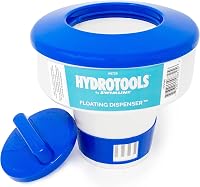
SWIMLINE holds multiple 1 in and 3 in tablets and has an adjustable flow rate. It is made with double reinforced materials and is designed for use with various pool and spa types.
Use chemical products according to their instructions and your spa manufacturer's guidance. A dispenser does not repair vinyl, foam, seams, or hinges, but balanced water care can reduce the cleaning burden on the cover.
How do you repair a hot tub cover seam?
Repair a seam only when the surrounding vinyl is sound and the separation is short. A seam that keeps opening may indicate tension from sagging foam or a cover that is too heavy.
Brush away dirt and let the seam dry completely. Bring the two sides together without forcing them, then apply a repair material that suits vinyl and overlaps the split.
Keep weight off the repaired area while it sets. Do not fold the cover along that seam until the repair has cured as directed.
Inspect the underside as well as the top. If the stitching is loose across a panel, the zipper or hinge is separating, or the foam is exposed, a surface patch may not hold for long.
Can you repair waterlogged hot tub cover foam?
You can replace waterlogged foam inserts when the outer vinyl skin remains usable. Drying the cover alone may not restore foam that has absorbed water or lost its shape.
Open the cover only as the construction allows and inspect the foam for saturation, crumbling, or compression. Keep track of the insert orientation so replacement foam can be positioned correctly.
Measure the old insert and the cover's compartments before ordering anything. Foam that is too thick can strain the vinyl, while foam that is too small can leave gaps.
Our guide to hot tub cover foam insert replacement explains when insert replacement makes sense and what to measure.
If the vinyl is also cracked across several panels, replacing the foam may not solve the main problem. A new cover or a hot tub cover vinyl skin replacement may be the better path.
How can you prevent another hot tub cover tear?
Support the cover, keep it clean, and avoid dragging or folding it sharply. Dirt and chemical residue can make routine handling harder and can hide small splits.
Use a cover lifter when the cover is heavy or difficult to move alone. The Cover Caddy Cover Valet Hot Tub Spa Cover Lifter has a gas spring assisted design, an undermount cabinet design, XL spacers for spa covers with 6 in to 4 in tapers, and a removable strap.
The Cover Caddy is made of plastic, is water resistant, and weighs 24 pounds. It is designed for one-person cover removal and includes a 5-year manufacturer warranty.
Measure the spa and check the cabinet area before choosing any lifter. Installation needs to suit the cover's shape and the space around the spa.
Clean the cover with a suitable product and rinse away residue. Our guide to the best hot tub cover cleaner can help you compare cleaning and protectant options.
How does water care affect a hot tub cover?
Test and maintain spa water regularly, because residue and contaminants can affect the cover's underside and create extra cleaning work. Follow your spa manual and chemical instructions rather than guessing at doses.
SpaChoice Premium Spa Sanitizing Chlorine Granules for Hot Tub is a 5-pound granular chlorine sanitizer. Its directions specify an initial dose of 6 teaspoons for each 500 gallons, with later dosing based on testing.
The directions call for testing pH, total alkalinity, calcium hardness, and free available chlorine. They also state that spas should be drained every 30 to 90 days, or more often under heavy use.
Never enter a treated spa above the stated chlorine level. Check your spa manufacturer's recommendations for sanitizer compatibility, especially if the equipment or cover has unusual materials.
For broader equipment choices, start with our hot tub buying guide. If you are comparing heat and water therapy spaces, Sauna vs Hot Tub: Dry Heat or Warm Water? explains the basic differences.
When should you replace instead of repair?
Replace the cover when damage affects the foam, hinge, fit, or several panels. A patch is not a good long-term answer when the cover keeps absorbing water or cannot support its own shape.
Replacement is usually the safer choice when:
- The foam is saturated or misshapen
- The center hinge has split widely
- Several seams are opening
- The vinyl has widespread cracking
- The cover sags into the water
- The straps no longer hold it in place
- The cover no longer fits the spa securely
A vinyl skin replacement may suit a cover with usable foam and a sound structure. If both the skin and foam are failing, compare the total repair work with the cost and fit of a new cover.
Inflatable spas need a cover designed for their shape and support needs. See best covers for inflatable hot tubs if you have that type of spa.
What is the safest hot tub cover repair decision?
Repair one small, dry vinyl failure when the foam and structure remain sound. Choose foam replacement for waterlogged inserts, a new vinyl skin for broad surface damage with usable foam, and a full replacement for widespread structural failure.
Measure before ordering repair materials or replacement parts. Keep the cover clean, avoid dragging it, and use a cover lifter if repeated handling is adding strain.
If the tear is growing, the foam is heavy, or the hinge is failing, stop patching and compare replacement options. The right decision depends on whether the cover still protects the spa, supports its own shape, and fits securely.
Frequently asked questions
Can you repair a torn hot tub cover?
Yes, a small tear in the vinyl can often be cleaned, dried, and sealed with a suitable repair patch or tape. Large tears, damaged seams, exposed foam, and waterlogged sections may need a vinyl skin replacement or a new cover.
How do you fix a hot tub cover seam?
Clean and dry the seam, trim loose material, and apply a vinyl repair patch or tape that overlaps the damaged area. Keep the cover supported and dry while the repair sets, then inspect it before exposing it to rain or repeated folding.
Can a waterlogged hot tub cover be repaired?
A waterlogged cover usually needs more than a surface patch because saturated foam adds weight and loses its insulating shape. Remove the cover and inspect the foam inserts; replacing them may be practical if the vinyl skin and hinge remain sound.
When should you replace a hot tub cover?
Replace a hot tub cover when the foam is waterlogged, the center hinge is failing, the vinyl has widespread cracks, or the cover no longer fits securely. A small isolated tear is usually a better repair candidate than broad structural damage.