How to Repair an Inflatable Hot Tub
Repair an inflatable hot tub by finding the leak, drying the vinyl, and applying a suitable patch. If the pump, heater, or control system fails, stop using the tub and arrange qualified service.
On this page (8 sections)
- How do you find an inflatable hot tub leak?
- How do you patch a puncture?
- How do you test an inflatable hot tub repair?
- What should you check when the pump will not run?
- How do you protect a repaired tub from more damage?
- What if the water is cloudy after the repair?
- When is an inflatable hot tub beyond repair?
- What should you do after repairing an inflatable hot tub?
Repair an inflatable hot tub by locating the air leak, drying the vinyl, and applying a compatible patch. Small punctures are often manageable, but equipment faults involving the pump, heater, wiring, or controls need professional attention.
Start with the symptom you can see and feel. A soft wall, sinking sides, or a hiss near a seam points to an air leak.
Cloudy water, weak circulation, no heat, or an error code may point to maintenance or equipment trouble instead.
That distinction matters before you spend time patching. A patch can seal a small hole in the tub wall, but it cannot restore a failed pump seal, a heating element, or a control board.
Treating an equipment fault as a vinyl problem can leave the real cause untouched.
Think about who this repair suits. It suits an owner who can safely deflate and dry the tub, reach the damaged area, and follow the patch kit and tub manual.
It also suits someone with a small, accessible puncture and a place to let the repair cure without pressure.
It is less suited to a tub with torn seams, deep cuts, or damage in a hard to reach corner. It is also the wrong first step when the tub will not power on, trips the outlet, or shows a persistent fault code.
In those cases, basic checks and qualified service come first.
Use the symptom to choose the next step. If air is escaping, find the leak and prepare the surface.
If water, heat, or circulation is the problem, check the filter, water level, and manual before you open any housing.
How do you find an inflatable hot tub leak?
Use soapy water to find escaping air, starting with valves, seams, corners, and areas that touch the ground. Inflate the tub fully before checking because a small puncture may be hard to spot when the walls are soft.
Mix a small amount of dish soap with water and brush it over the suspected area. Growing bubbles mark the leak.
Check the valve stem and cap separately, then inspect the tub's lower panels and seams.
Mark the leak with a washable marker. Avoid pressing hard on the wall while searching, because extra pressure can make a small opening harder to isolate.
A valve leak needs a different fix from a puncture. Tighten or reseat the valve only as the tub manual allows.
If the valve body is damaged, look for a compatible replacement rather than covering it with a surface patch.
How do you patch a puncture?
Drain the tub, deflate it, and dry the damaged area completely before patching. A patch needs clean, dry material and firm contact with the vinyl or other tub fabric.
Trim away dirt, oil, and loose material around the hole. Don't use a knife to enlarge the damage, and don't apply adhesive over wet vinyl.
Cut the patch with rounded corners and make it larger than the puncture. Press it down from the center outward to reduce trapped air, then hold it flat for the time required by the repair kit.
Inflatable hot tub materials vary, so match the patch to the tub's repair instructions. For more options, see our guide to the best inflatable hot tub patch kit.
Which patch kit supplies help with inflatable hot tub repair?
A patch kit helps when the damage is a small puncture or cut in the tub wall, not a failed pump fitting or separated seam. Choose a kit that matches the material and includes an adhesive intended for the repair.
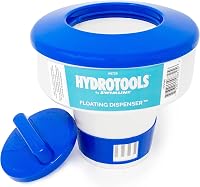
The SWIMLINE is a floating dispenser for chlorine or bromine tablets. It holds multiple 1 in and 3 in tablets, has an adjustable flow rate, and is made with double reinforced durable materials.
It does not repair vinyl, seal a valve, or fix a pump. Use it only for chemical care, and follow your hot tub manual when choosing a sanitizer.
How do you test an inflatable hot tub repair?
Inflate the tub slowly and watch the patched area for renewed bubbles or pressure loss. Do this before refilling the tub, so a failed repair does not waste water or place extra strain on the walls.
Wait through the full cure time for the patch adhesive. Removing pressure early can lift an edge or leave the bond weak, even when the patch looks neat.
Afterward, inflate the tub to its normal operating pressure without overinflating it. Slow inflation lets you stop if a corner creases, a seam pulls, or the patched area starts to bubble.
Apply soapy water around the patch and nearby seam. Growing bubbles show that air is still escaping, while a thin film with no change is a better sign.
If bubbles return, deflate the tub and reassess the surface, patch size, and cure time. Dry the area again before a second attempt, because moisture or soap can weaken the next bond.
A patch that holds air but sits near a damaged seam may not last. Repeated leaks in the same section can mean the material is weakening, not that one small hole remains.
Give a passing repair a fair follow up. Watch the area during normal inflation and after the tub has sat for a while, and avoid dragging the wall.
What should you check when the pump will not run?
Check the power supply, water level, filter, and error code before suspecting a failed pump. Unplug the unit before inspecting external connections, and never work inside the pump housing while it is connected to power.
Confirm that the outlet and safety device have not tripped. Keep plugs and connections dry, and use only the power arrangement approved for your tub.
A low water level can stop circulation or trigger protection controls. A dirty filter can also restrict flow, so remove and clean or replace it according to the tub manual.
If the pump hums, leaks, trips power, or shows a persistent fault after basic checks, stop using it. A pump seal or internal component may need service.
Our guide to hot tub pump seal replacement explains why this repair is different from patching the tub wall.
How do you protect a repaired tub from more damage?
Keep the tub covered, clean the surrounding surface, and maintain the correct air pressure. Sharp stones, rough decking, pet claws, and dragging can create new punctures.
Place the tub on the ground protection recommended by its manual. Clear debris before setup and don't pull the tub while it contains water.
A cover also limits debris and reduces the work needed to keep the water clean. If lifting the cover strains the tub area or blocks access, a cover support can help.
Does a cover lifter help with inflatable hot tub care?
A cover lifter helps when removing and replacing a heavy spa cover is causing awkward handling. It does not seal a tub leak or repair a cover that has already torn.
The Cover Caddy is a black, water-resistant hot tub spa cover lifter made from plastic. It uses gas spring assistance, includes XL spacers for spa covers with 6 in to 4 in tapers, and has a removable strap.
Check the tub and cover arrangement before fitting any lifter. Installation and clearance matter, especially around an inflatable wall or a nearby fence.
What if the water is cloudy after the repair?
Treat cloudy water as a sanitation or filtration issue, not as proof that the vinyl patch failed. Check the filter, circulation, sanitizer level, and water balance before draining the tub.
Keep people out of the water while the sanitizer is outside the range in the manual. Frequent testing matters because lotions, oils, fragrances, and cleaners can contribute to foam or cloudy water.
Which sanitizer can help after an inflatable hot tub repair?
A granular sanitizer helps when the tub needs chlorine treatment after refilling or regular use. Follow the tub maker's chemical instructions because sanitizer compatibility varies by equipment.
SpaChoice Premium Spa Sanitizing Chlorine Granules are a 5-pound container of granular sanitizer. The product is 99% sodium dichlor and is described for controlling algae, killing bacteria, and destroying contaminants.
Its directions state an initial dose of 6 teaspoons for each 500 gallons, with testing and further adjustment as needed. Test the water before re-entry and follow the tub manual for pH, alkalinity, and draining intervals.
When is an inflatable hot tub beyond repair?
Replace the tub when damage is widespread, seams are separating, or equipment faults keep returning. A single small puncture is a repair problem, but several leaks across old material can signal broader failure.
A replacement tub may also make sense when the pump or heater has stopped working and compatible parts are difficult to find. Compare the tub's size, connection style, and support equipment before choosing a replacement.
Read how to choose a replacement tub for an inflatable hot tub if the wall or floor has several damaged areas. For equipment options, see the guide to the best inflatable hot tub replacement parts.
What should you do after repairing an inflatable hot tub?
Confirm that the patch holds air, restore safe water care, and monitor the area for several days. Keep the tub within its normal fill and pressure limits, and stop using it if the leak returns.
Use inflatable hot tub maintenance to build a routine around filters, water testing, cleaning, and cover care. If you're still deciding between warm water and dry heat, compare Sauna vs Hot Tub: Dry Heat or Warm Water?.
A repair is suitable for a small, accessible puncture. Choose service or an inflatable hot tub replacement tub when the problem involves electrical parts, repeated seam failure, or widespread material damage.
Frequently asked questions
How do you find a leak in an inflatable hot tub?
Inflate the tub fully, inspect seams and valves, and apply soapy water to likely leak points. Bubbles show where air escapes.
Mark the spot, deflate the tub, clean and dry the vinyl, then use a patch made for the tub's material.
Can you patch an inflatable hot tub while it is full?
No. Drain and dry the area before applying a patch.
Water, moisture, and pressure can weaken the adhesive bond.
Keep the tub deflated for the cure time stated by the patch manufacturer, then inflate it gradually and check the repair.
Why is an inflatable hot tub losing heat?
Heat loss can come from a poor cover seal, low air pressure, a circulation problem, or a heater fault. Check the water level, filter, air leaks, and error codes first.
Do not open the heater housing or bypass electrical safety controls.
When should you replace an inflatable hot tub?
Replace the tub when leaks keep returning, seams are separating, the material has widespread damage, or the pump and heater need costly repair. Compare the repair area, equipment condition, and age with the cost and fit of an inflatable hot tub replacement tub.