How to Maintain an Inflatable Hot Tub
Inflatable hot tub maintenance means testing the water often, cleaning the tub and filter, keeping the cover in good shape, and draining the spa on schedule. These steps help keep the water clear and the equipment working.
On this page (9 sections)
- What is the best inflatable hot tub maintenance routine?
- How often should you test inflatable hot tub water?
- How do you clean an inflatable hot tub?
- How do you maintain an inflatable hot tub filter?
- How do you control foam and cloudy water?
- How do you protect the cover and reduce debris?
- What should you check for leaks and equipment problems?
- When should you drain and refill an inflatable hot tub?
- How can you make inflatable hot tub maintenance easier?
Inflatable hot tub maintenance means testing the water, cleaning the tub, rinsing the filter, and checking the cover and equipment on a regular schedule. A simple routine prevents cloudy water, reduces buildup, and helps you spot leaks or pump problems before they interrupt use.
Start with the care instructions for your specific tub. Chemical limits, filter cleaning methods, and drain intervals can differ between models.
What is the best inflatable hot tub maintenance routine?
The best routine is a quick water check each time you use the spa, a filter rinse every few days, and a deeper cleaning whenever you drain it. Keep the cover on when the tub is not in use to limit debris and evaporation.
Use this basic schedule:
- Test the water before entering and after heavy use.
- Remove leaves, insects, and visible debris.
- Wipe the waterline and underside of the cover.
- Rinse the filter and inspect it for damage.
- Check the water level and look for leaks.
- Drain, clean, and refill on the schedule in your manual.
Keep a written note of water changes and filter cleanings. This makes it easier to notice when the water becomes difficult to balance or the filter needs attention more often.
For a broader look at choosing and using a spa, see this hot tub complete buying guide. For inflatable models with massage features, compare inflatable hot tubs with jets.
How often should you test inflatable hot tub water?
Test the water often enough to catch sanitizer and pH changes before they become visible. Test before use, after several people use the tub, and whenever the water looks cloudy or smells unusual.
Use the test method recommended for your spa. Check the sanitizer level, pH, and total alkalinity, then make small adjustments rather than adding several chemicals at once.
Keep chemicals dry and separate from one another. Follow the label directions and your hot tub manual, especially if the tub uses a specific sanitizer or has limits for chemical use.
Don't enter the water while chemical levels are outside the manufacturer's safe range. The CDC's hot tub and spa guidance covers general steps for reducing risks in treated recreational water.
How do you clean an inflatable hot tub?
Clean the waterline, walls, floor, cover, and fittings with products approved for your tub. Drain the spa before a full clean so you can remove residue instead of stirring it through the water.
Turn off the pump and disconnect power according to the manual. Remove loose debris first, then wipe the liner with a soft cloth or approved sponge.
Avoid abrasive pads, sharp tools, and harsh household cleaners unless the manufacturer specifically allows them. A damaged liner can be harder to clean and may begin to leak.
Clean around the water outlets and drain area without forcing tools into openings. Rinse away cleaner before refilling, because leftover residue can affect water balance or create foam.
Can a floating dispenser help with routine water care?
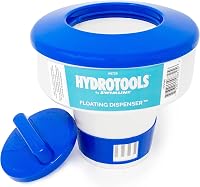
A floating dispenser can help distribute chlorine or bromine tablets, but it doesn't replace water testing. Adjust the flow only after checking how your tub responds and following the sanitizer instructions.
The SWIMLINE Floating Pool Chlorine Tablet Dispenser takes 1 in and 3 in chlorine or bromine tablets. It has an adjustable flow rate, a large capacity for multiple tablets, and double reinforced materials.
Use only tablets that are compatible with your spa and dispenser. Keep the tablet container closed when not in use, and don't assume a floating dispenser can maintain safe sanitizer levels without testing.
This option suits owners who want tablet dosing in a floating format. Skip it if your tub manual prohibits floating dispensers or requires a different sanitation system.
How do you maintain an inflatable hot tub filter?
Rinse the filter regularly and replace it when it stays dirty, damaged, or restrictive after cleaning. A clogged filter can reduce circulation and make water care harder.
Switch off the pump before removing the filter. Rinse between the pleats with clean water, working from the top down so loosened debris leaves the filter instead of moving deeper into it.
Inspect the filter for tears, crushed pleats, or heavy buildup. Follow the tub maker's instructions for soaking or drying, because not every filter uses the same cleaning method.
Keep a spare filter if your manual recommends changing filters while one is being cleaned. Use only a filter that matches the tub's required size and fitting.
The best inflatable hot tub replacement parts guide can help when a filter, hose, or fitting needs replacement.
How do you control foam and cloudy water?
Find the cause of foam or cloudy water before adding more chemicals. Common checks include the filter, sanitizer level, pH, water age, and residue from lotions, oils, fragrances, or cleaners.
Rinse off before entering the tub and keep food, drinks, and household cleaners away from the water. These steps reduce the material that the sanitizer must handle.
Run the circulation system as directed and clean the filter. If the water remains cloudy, drain and refill rather than repeatedly adding chemicals without testing.
Never mix chemicals together in a container. Add each chemical as directed, allow circulation time, and keep people out of the water until the levels are safe.
Which chlorine granules suit hot tub water care?
Chlorine granules suit owners who want a measured sanitizer for hot tubs and spas. The SpaChoice 5-Pounds Premium Spa Sanitizing Chlorine Granules for Hot Tub dissolves quickly and completely, and its directions include an initial dose of 6 teaspoons for each 500 gallons.
SpaChoice states that each level teaspoon provides about 1.4 ppm available chlorine in 500 gallons. Its directions also call for testing pH, total alkalinity, calcium hardness, and free available chlorine.
Measure carefully for the actual water volume in your tub. Don't copy a dose from another spa, and check your manual for sanitizer compatibility before use.
How do you protect the cover and reduce debris?
Keep the cover clean, supported, and secured whenever the tub is not in use. Brush away loose debris before opening it so dirt does not fall into the water.
Wipe the underside when residue appears and let it dry according to the cover instructions. Don't place sharp objects on the cover or use it as a seat unless the manufacturer specifically permits that use.
A cover lifter can make regular cover removal easier, but it must suit the spa and installation area. The Cover Caddy Cover Valet Hot Tub Spa Cover Lifter uses an undermount-cabinet design, needs nothing attached to the spa cabinet, and has gas spring assistance for one-person cover removal.
The unit is made of plastic, weighs 24 pounds, and includes XL spacers for spa covers with 6 in to 4 in tapers. It is water resistant and has a removable strap.
Measure the spa, cover, and nearby clearance before choosing any lifter. If the cover or cabinet does not suit the installation, manual lifting may be safer than forcing a fitting.
What should you check for leaks and equipment problems?
Inspect the water level, hoses, fittings, and pump area during every maintenance cycle. A level that drops faster than normal may point to a leak, splash-out, evaporation, or a cover problem.
Look around the tub floor and connections for damp areas. Check that hoses are seated and that fittings are not loose, cracked, or distorted.
Stop using the spa if you see an electrical hazard, damaged power cord, or water near electrical connections. Follow the manual for safe shutdown and service steps.
If the heater pump stops working, use this guide to replace an inflatable hot tub heater pump. For a wider troubleshooting process, see how to repair an inflatable hot tub.
A damaged liner may need a patch, repair, or replacement. Read how to choose an inflatable hot tub replacement tub if repeated leaks make repair impractical.
When should you drain and refill an inflatable hot tub?
Drain the tub every 30–90 days as a general range, and sooner when heavy use or water problems make treatment difficult. Your manual should take priority over any general schedule.
Drain sooner if the water remains cloudy, foamy, or difficult to balance after cleaning and testing. Heavy use, hot weather, and frequent cover removal can increase the need for fresh water.
Before draining, switch off the heater and pump as directed. Remove loose debris, open the drain safely, and keep the water away from electrical equipment and areas where it could cause damage.
Wipe the empty liner, rinse away cleaner, inspect the fittings, and refill with clean water. Recheck the water chemistry before anyone enters.
How can you make inflatable hot tub maintenance easier?
Inflatable hot tub maintenance is easier when you use a short schedule instead of waiting for visible problems. Test the water, rinse the filter, clean the cover, and inspect the tub during the same weekly check.
Choose a floating dispenser only if it suits your sanitizer and tub instructions. Choose chlorine granules when measured dosing fits your water-care routine, and use a cover lifter when handling the cover is the main daily obstacle.
A hot tub vacuum can help with settled debris, but check the tool's compatibility first. Read can you use a robot vacuum in a hot tub before putting an automated cleaner near the liner or fittings.
For pump maintenance, see this guide to hot tub pump seal replacement. If you're deciding between water soaking and dry heat, compare Sauna vs Hot Tub: Dry Heat or Warm Water?.
The simple decision rule is: test before adding chemicals, clean before problems build up, and repair leaks or equipment faults early. Consistent care keeps an inflatable spa easier to use and easier to troubleshoot.
Frequently asked questions
How often should you clean an inflatable hot tub?
Wipe the waterline and cover regularly, rinse the filter often, and clean the tub whenever you drain it. The right schedule depends on use, weather, and water condition.
Heavy use may call for more frequent cleaning and water changes than occasional use.
How often should you change inflatable hot tub water?
Drain and refill an inflatable hot tub every 30–90 days as a general range, with more frequent changes under heavy use. Follow your tub manufacturer's instructions, test the water often, and change it sooner if the water stays cloudy, foamy, or difficult to balance.
Can you use chlorine in an inflatable hot tub?
Many inflatable hot tubs use chlorine, but the sanitizer must match the tub manufacturer's instructions. Test pH, alkalinity, and sanitizer levels before adding chemicals, measure carefully, and never enter the water until the sanitizer level is within the recommended range.
How do you clean an inflatable hot tub filter?
Turn off the pump, remove the filter, and rinse between the pleats with clean water. Let it dry if the manufacturer allows it, inspect it for damage, and replace it when cleaning no longer restores flow or the filter is worn.