Can You Use a Robot Vacuum in a Hot Tub?
You usually can't use a standard robot vacuum in a hot tub. Most household robot vacuums are made for dry floors, while hot tub cleaning needs a water-safe spa vacuum or a cleaner designed for submerged use.
On this page (10 sections)
- Why doesn't a household robot vacuum work in a hot tub?
- Can a pool-cleaning robot be used in a hot tub?
- What should you use instead of a robot?
- How do you clean a hot tub with a vacuum?
- How often should you vacuum a hot tub?
- Can a cover lifter help keep a hot tub cleaner?
- Does chlorine remove dirt from a hot tub?
- Should you drain the hot tub instead of vacuuming?
- What is the best choice for a small spa?
- What should you remember about a hot tub vacuum robot?
You usually can't use a standard robot vacuum in a hot tub. Household robot vacuums are designed for dry floors, not submerged water, chlorine, heat, or the tight curves of a spa shell.
Their motors, sensors, batteries, and charging parts are not built for soaking, and putting one in the tub can damage the appliance and create a safety risk.
For a small hot tub, a manual spa vacuum or a handheld cleaner made for submerged use is usually a better fit. Those tools are easier to steer around seats, steps, and the footwell, and they let you lift out grit and small debris without forcing a floor appliance into water it was never meant to handle.
That does not mean cleaning is complicated. Most owners only need to remove loose debris, vacuum settled dirt when they see it, and keep up with regular water care.
You can find the wider maintenance picture in this hot tub complete buying guide. It helps to think of vacuuming as one part of spa care, alongside covering the tub, testing the water, and using sanitizer as directed.
Why doesn't a household robot vacuum work in a hot tub?
A household robot vacuum is not a water-safe hot tub vacuum robot. Its motor, sensors, battery, charging system, and dust collection path are built around dry surfaces.
Putting one into a filled spa can damage the vacuum and create an electrical safety risk. A hot tub also has seats, steps, curved walls, drains, and a narrow footwell that a floor robot was never designed to clean.
Don't place a robot vacuum into the water, even if the tub is switched off. Turning off the jets may stop water movement, but it doesn't make a dry-floor appliance suitable for submersion.
Can a pool-cleaning robot be used in a hot tub?
A pool robot may work only when its instructions allow spa use and its size suits the tub. A cleaner designed for a large pool can be awkward in a small hot tub, especially around seats and steps.
Check the stated water depth, cleaning surfaces, cable or battery limits, and minimum operating area. A robot that moves well across a flat pool floor may miss the shell corners and seating areas where hot tub debris collects.
A hot tub vacuum robot also needs a debris path that suits the material in your spa. Fine grit, hair, leaves, and small particles may need different cleaning approaches, so don't assume one machine handles every type of dirt.
What should you use instead of a robot?
Use a water-safe manual spa vacuum or handheld hot tub cleaner. These tools let you target the footwell, seats, steps, and corners without sending a household appliance into the water.
A manual tool is often enough for a small spa. It can be useful after windy weather, before draining, or when grit settles in one area rather than across the whole shell.
For more options, compare these guides to the best hot tub vacuum cleaners, best hot tub vacuum sticks, best cordless hot tub vacuums, and best handheld hot tub vacuums.
How do you clean a hot tub with a vacuum?
Turn off the pumps and jets, remove large debris, then clean the shell from the highest areas down to the footwell. Follow the vacuum's instructions for water depth, filter care, charging, and storage.
Start by removing leaves and other large pieces with a net. This keeps the vacuum from handling debris that is easier to lift out by hand.
Move slowly across seats and steps. Pause over settled grit, then check corners and around the drain cover without forcing the tool into fittings or openings.
Don't run the pumps while loose sediment is being disturbed. Circulation can spread debris through the water and may pull material toward parts that are harder to clean.
Does a floating dispenser replace vacuuming?
No. A sanitizer dispenser treats the water, but it does not remove settled dirt.
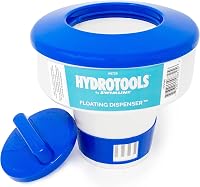
The SWIMLINE floating dispenser accepts 1 in and 3 in chlorine or bromine tablets, has an adjustable flow rate, and is intended for pools or spas.
Its low-profile floating design and multiple-tablet capacity can suit owners who want ongoing chemical maintenance between cleanings. It is not a vacuum, filter, or substitute for removing grit from the shell.
Follow your sanitizer instructions and test the water regularly. The CDC's hot tub and spa guidance explains why water treatment and cleaning both matter.
How often should you vacuum a hot tub?
Vacuum when you see settled debris, after heavy use, or before draining and refilling. The right schedule depends on how often the spa is used, whether it is covered, and how much dirt enters the water.
A quick visual check after each use can prevent grit from being pushed around by the jets. Clean sooner if users bring in sand, grass, hair, or body oils.
A cover can reduce falling debris, but it won't remove dirt already in the water. Keep the cover clean and avoid placing dirty items on it before opening the spa.
Can a cover lifter help keep a hot tub cleaner?
A cover lifter can make regular cover use easier, which may help you keep the spa covered between sessions. It does not vacuum the water or remove debris from the shell.
The Cover Caddy Cover Valet Hot Tub Spa Cover Lifter has a gas spring assisted design for one-person cover removal, an undermount-cabinet design, removable straps, and included XL spacers for spa covers with 6 in to 4 in tapers.
This is a convenience accessory, not a cleaning device. Check the cabinet and cover fit before choosing it, and install it according to the product instructions.
Does chlorine remove dirt from a hot tub?
Chlorine helps sanitize hot tub water, but it does not replace vacuuming or wiping. It can control bacteria and algae when used according to the label and supported by regular water testing.
SpaChoice Premium Spa Sanitizing Chlorine Granules for Hot Tub are granular chlorine for hot tubs and spas. The directions specify an initial dose of 6 teaspoons for each 500 gallons, while each level teaspoon provides about 1.4 ppm available chlorine in 500 gallons.
Keep chemical treatment separate from physical cleaning. Some oils, lotions, fragrances, and cleaners can cause foaming or cloudy water or reduce chlorine effectiveness, so avoid adding unapproved products to the spa.
Test pH, total alkalinity, calcium hardness, and free available chlorine as directed. Never enter a treated spa above the sanitizer level allowed by the product instructions.
Should you drain the hot tub instead of vacuuming?
Drain the spa when water quality or settled debris cannot be managed with normal cleaning. Vacuuming is useful for targeted debris, while draining gives you access to the full shell for cleaning.
Follow the hot tub manufacturer's drain schedule and local disposal rules. SpaChoice's directions recommend draining every 30 to 90 days, with more frequent draining under heavy use.
Before draining, turn off power as directed and remove loose debris. After emptying, wipe the shell with a cleaner approved for the surface, rinse away residue, and refill using the manufacturer's startup procedure.
Avoid putting essential oils into the water unless the hot tub maker specifically allows them. See essential oils for hot tubs for the risks of oils, foaming, and cloudy water.
What is the best choice for a small spa?
Choose a manual or handheld water-safe vacuum for a small hot tub, not a household robot vacuum. The smaller tool is easier to control around seats, steps, corners, and the footwell.
Pick a stick-style cleaner if you want more reach. Pick a cordless cleaner if you want fewer cords around the spa area, and pick a handheld model if compact storage and spot cleaning matter most.
A cover can reduce new debris, while a sanitizer dispenser and chlorine granules support water care. They work alongside vacuuming, not instead of it.
For heat and water planning, compare Sauna vs Hot Tub: Dry Heat or Warm Water? and review hot tub insulation before changing the installation or operating routine.
What should you remember about a hot tub vacuum robot?
Don't submerge a household robot vacuum in a hot tub. Use a cleaner made for submerged spa work, check its size and operating limits, and clean with the pumps and jets off.
A tool that is too large can struggle in a small shell, and a tool with the wrong depth or surface limits may miss the seats and corners where debris settles.
Choose the smallest tool that reaches the areas you need to clean. A manual or handheld cleaner is often enough for spot work, while a stick style model can help when you need more reach without leaning over the side.
Whatever you pick, read the instructions for charging, filter care, water depth, and storage before the first use.
Keep the cover in use, test the water, and treat chemical sanitation as a separate task from removing debris. Chlorine or another sanitizer can help control bacteria and algae, but it will not lift sand, hair, or leaves from the shell.
Vacuum when you see settled dirt, after heavy use, or before draining, and wipe down areas the vacuum cannot reach.
That simple routine suits most small spas. It keeps cleaning matched to the job, avoids putting the wrong appliance in the water, and leaves room for regular cover use and water testing between sessions.
Frequently asked questions
Can you put a robot vacuum in a hot tub?
No. A household robot vacuum is built for dry floors, not submerged operation.
A hot tub needs a cleaner made for water, with a way to collect leaves, grit, hair, and other debris without putting an electrical floor-cleaning appliance into the tub.
Can a pool robot clean a hot tub?
Sometimes, but fit and operating limits matter. A pool robot may be too large for a small spa, may need a certain water depth, and may not reach seats, steps, corners, or the footwell.
Check the cleaner's stated use and dimensions before buying.
What is the safest way to vacuum a hot tub?
Use a manual spa vacuum, a rechargeable handheld cleaner made for submerged use, or another tool clearly designed for hot tubs and spas. Turn off pumps and jets before cleaning, remove loose debris, and follow the cleaner and hot tub maker's instructions.
Can you use chlorine while cleaning a hot tub?
Keep chemical treatment separate from debris removal. Test the water, follow the sanitizer label, and wait for safe levels before entering.
Chlorine granules can help sanitize water, but they do not replace vacuuming sediment from the shell and footwell.