How to Pump Water Out of a Hot Tub
To pump water out of a hot tub, turn off its power, place a suitable pump in the lowest area, attach a discharge hose, and direct water to an approved drain point. Stay with the pump, protect electrical connections, and finish by removing the remaining water.
On this page (9 sections)
- How do you pump out a hot tub?
- Where should you send the water?
- What should you do before turning on the pump?
- How do you place and run the pump?
- How can you prevent chemical problems during draining?
- What should you do after the hot tub finishes draining?
- How do you refill the spa safely?
- Should you pump out a hot tub or use its drain?
- How do you know the job is complete?
To pump out a hot tub, switch off the power, place a suitable pump in the lowest part of the tub, connect a discharge hose, and send the water to an approved drainage area. Stay nearby while it runs, keep plugs and connections dry, and never let the pump run without water.
Draining is part of caring for any hot tub, especially when the water is cloudy, foamy, hard to balance, or due for a scheduled change. Check your spa manual first because it may specify a drain location, pump method, or cleaning step.
How do you pump out a hot tub?
The basic process is power off, hose connected, pump positioned, discharge controlled, and the tub rinsed and dried. Work slowly so treated water doesn't pool against the spa, foundation, landscaping, or a neighbor's property.
- Turn off the hot tub at the controls and disconnect power at the appropriate breaker or disconnect.
- Remove the cover and check that the water is cool enough to handle safely.
- Choose a discharge point permitted by local rules.
- Connect a suitable pump to a discharge hose before placing it in the water.
- Set the pump in the lowest practical area of the tub.
- Keep the hose end secure and start the pump according to its instructions.
- Watch the water level and hose throughout the drain.
- Stop the pump before the tub is empty if its instructions warn against dry running.
- Remove the remaining water, rinse surfaces if appropriate, and dry the shell.
The right best pump to drain a hot tub depends on the tub's water volume, hose route, outlet location, and the pump instructions. A longer hose may make the job easier, but it can also make the discharge path harder to control.
Where should you send the water?
Send hot tub water only to a legal, suitable drainage area that can handle the flow without pooling. The safest location is usually away from the spa, building foundation, electrical equipment, planted beds, and property lines.
Avoid storm drains unless local authorities specifically allow this type of discharge. Don't drain into a creek, pond, lake, street, or neighbor's yard, and don't assume that treated spa water is harmless to plants or soil.
If you use a floor drain or sewer connection, check local rules first. Some areas restrict chlorinated water or require it to be neutralized before discharge.
Keep the hose end from moving as water flows. A loose hose can spray walkways, flood a low area, or send water toward the foundation.
How can you control the discharge hose?
Control the hose by placing its end where water can spread safely and securing it against movement. Keep the route free of sharp edges, steps, doors, and areas where people could trip.
Don't bury the hose under rugs or leave it across a walkway. Check low spots before starting, since a hose that looks downhill may still trap water in a bend.
If the hose must cross a paved area, choose a route that won't create a slip hazard. Pause the pump if the discharge area begins to fill faster than it can drain.
What should you do before turning on the pump?
Prepare the drain path, power controls, pump, hose, towels, and cleaning supplies before starting. This prevents you from leaving a running pump unattended while searching for something.
Read the pump instructions for water depth, hose size, placement, electrical supply, and dry-run limits. Use only a pump and connection setup that suits the job.
Turn off the spa's heater, jets, circulation system, and other controls before disconnecting power. The pump should not rely on the hot tub's own circulation system unless the manual specifically says it can drain the spa.
Move the cover to a clean, safe location. If lifting it is awkward, a [Cover Caddy Cover Valet Hot Tub Spa] can help with one-person cover removal.
The Cover Valet model is a hot tub spa cover lifter made from plastic, with a water-resistant design and a removable strap. It weighs 24 pounds, so confirm that the installation area and cabinet can support the setup before choosing it.
How do you place and run the pump?
Place the pump in the lowest area it can reach without blocking the intake, then keep its electrical connection dry. Attach the hose before lowering the pump and make sure the discharge end is already in position.
Do not stand in water while handling a power connection. Keep extension cords, plugs, switches, and connections away from puddles, spray, and the tub's edge.
Start the pump only after checking the hose. Watch for kinks, movement, leaks, and a discharge area that is filling too quickly.
The pump may leave a shallow layer at the bottom because it cannot remove every drop. Stop it before dry running, then use a suitable wet vacuum, sponge, or towels if your equipment and manual allow that method.
Never lift or move a running pump by its power cord. Turn it off and disconnect power before repositioning it.
How can you prevent chemical problems during draining?
Treat drained hot tub water as chemically treated water, not ordinary rainwater. Follow the spa manual and local disposal rules, and keep the water away from plants, streams, ponds, and storm drains unless permitted.
Drain water after the sanitizer level has fallen as directed by the manufacturer or local authority. Do not add chemicals simply to make draining faster unless the product instructions specifically address that use.
Between full drains, keep the water balanced with testing and suitable sanitation. For circulation and filtration between drains, compare hot tub filter pumps.
The best hot tub cleaner can help remove surface residue, but it doesn't replace draining old water.
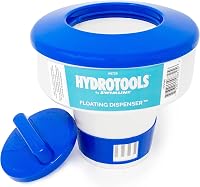
A floating dispenser can help maintain sanitizer distribution between water changes. The SWIMLINE holds 1 in and 3 in chlorine or bromine tablets and has an adjustable flow rate.
The SWIMLINE is a single floating dispenser with a low-profile design and a stated capacity for multiple tablets. Its flow can be adjusted to suit the spa, but chemical levels still need regular testing.
Follow the sanitizer instructions and your spa manual. A dispenser can distribute tablets, but it doesn't tell you whether the water's pH, alkalinity, or sanitizer level is correct.
What should you do after the hot tub finishes draining?
Remove leftover water, clean the shell with an approved method, inspect the drain area, and dry the tub before refilling. Don't leave standing water in corners, footwells, seats, or around fittings.
Use a soft cloth or tool approved for the shell material. Avoid abrasive cleaning methods that can scratch the surface, and rinse away cleaner residue before adding fresh water.
Check the drain valve, hose connection, cover, and visible fittings for damage. If water drained unusually slowly, look for a blocked hose, kink, or drain path rather than forcing the pump.
For a full maintenance job, compare a best hot tub cleaning kit with the supplies you already have. An inflatable spa may need different care, so see the guide to best inflatable hot tub cleaners if that matches your tub.
How do you refill the spa safely?
Close the drain, refill through the correct location, and confirm that the water level covers the required fittings before restoring power. Your manual may recommend filling through the filter housing to reduce trapped air.
Inspect the drain valve and any caps before adding water. A small leak is easier to find before the tub is full and powered.
Don't turn on the heater or jets until the water reaches the required level. Reconnect power only after checking that the equipment compartment and electrical connections are dry.
Once filled, test the water and add sanitizer according to the product directions. SpaChoice Premium Spa Sanitizing Chlorine Granules for Hot Tub are granular chlorine sanitizer for hot tubs and spas.
SpaChoice gives dosing directions for 500 gallons and advises testing pH, total alkalinity, calcium hardness, and free available chlorine. It also says the granules dissolve quickly and are intended to control algae and kill bacteria.
Use an appropriate test kit and follow the hot tub manufacturer's compatibility guidance. Don't enter the spa until sanitizer levels meet the instructions for safe re-entry.
Should you pump out a hot tub or use its drain?
Use the built-in drain when it reaches a suitable discharge point and drains at a manageable speed; use a suitable pump when the drain is slow, inconvenient, or cannot direct water safely. Either method requires power precautions and a controlled discharge route.
A built-in drain can reduce equipment handling, but the hose route may be limited. A pump can move water from the lowest area, yet it adds electrical, hose, and dry-run concerns.
Compare replacement hot tub pumps for the job.
The best choice also depends on how much water remains after the main drain finishes. A pump is useful for that final layer only when its instructions allow shallow-water operation.
For broader heat and water-care decisions, compare Sauna vs Hot Tub: Dry Heat or Warm Water?. If you are replacing an older spa, best plug and play hot tubs can help you compare simpler installation styles.
How do you know the job is complete?
The job is complete when the water is removed, the shell is clean and dry, the discharge area is safe, and the drain is closed for refilling. Restore power only after the tub and equipment area are ready.
Use this final check:
- The pump is off and disconnected safely.
- The hose is empty and stored without kinks.
- No water is pooling near the spa or foundation.
- The shell has no standing water or cleaner residue.
- The drain valve and fittings are closed correctly.
- The cover is clean, dry, and ready to replace.
- Fresh water can be added without covering the wrong fittings.
Pump out a hot tub when the water needs changing, and choose the built-in drain when it provides a safe route. Use a suitable pump for controlled removal, keep treated water out of natural waterways, and follow the spa manual before refilling or restoring power.
Frequently asked questions
What is the best way to pump water out of a hot tub?
Use a suitable submersible pump with a discharge hose, place it in the lowest part of the drained tub, and direct water to an approved location. Turn off power first, keep electrical connections dry, watch the hose, and remove the last shallow layer with a wet vacuum or towels if needed.
Can I use a pool pump to drain a hot tub?
Only use a pump that is suitable for the job and approved for the water and setup you have. Follow the pump instructions for placement, hose connection, electrical safety, and maximum operating time.
Never run a pump dry, and don't use the hot tub's circulation pump as a drain pump unless its manual specifically allows it.
Where should hot tub water be discharged?
Direct hot tub water to a location allowed by local rules and far enough from the spa, house, foundation, drains, and neighboring property to prevent pooling or damage. Avoid sending treated water into natural waterways, storm drains, gardens, or areas where it can harm plants or run onto another property.
How often should a hot tub be drained?
Drain frequency depends on use, water care, and the hot tub manufacturer's instructions. Many owners plan a drain every few months, while heavy use or cloudy, foamy, or difficult-to-balance water may call for an earlier change.
Test and maintain the water between drains.