Saltwater vs Chlorine Hot Tubs: Which System? (November 2026)
Choose saltwater if you want a system that generates chlorine from salt; choose direct chlorine dosing if you prefer adding sanitizer yourself. Both approaches need regular water checks and care.
On this page (8 sections)
- Saltwater vs chlorine hot tub: what is the difference?
- How does a saltwater hot tub make chlorine?
- How does direct chlorine dosing work?
- Which system gives you more control?
- Which approach needs more routine attention?
- Can you use shock with either system?
- What should you check before choosing?
- Which hot tub system should you choose?
Choose saltwater if you want a system that generates chlorine from salt; choose direct chlorine dosing if you prefer adding sanitizer yourself. Both approaches need regular water checks and care.
A saltwater hot tub still uses chlorine as its sanitizer. The difference is how chlorine gets into the water: a compatible system generates it from salt, while a direct-dosing routine has you add a chlorine product.
Your tub's manual matters more than a general rule. Check which system and products it supports before changing sanitizer type or adding chemicals.
 Best for slow-dissolving chlorine
XtremepowerUS XtremeClear 1-inch Chlorine Tabs
 Best for chlorine-free shock
AquaJoyer Non-Chlorine Spa Shock for Hot Tub
Saltwater vs chlorine hot tub: what is the difference?
Saltwater systems generate chlorine from salt, while direct dosing adds chlorine to the water as needed. Neither approach removes the need to monitor water and follow the equipment instructions.
The word “saltwater” can sound like a chlorine-free option, but it describes chlorine generation. A salt system uses a generator designed for the tub to produce chlorine from dissolved salt.
With direct dosing, you add a compatible chlorine product according to your test results and the product directions. That gives you direct control over additions, but it also means keeping track of your dosing routine.
If you’re still choosing a hot tub, consider sanitizer compatibility alongside capacity, installation space and access to maintenance. A system that doesn’t fit the model can create avoidable upkeep problems.
How does a saltwater hot tub make chlorine?
A saltwater hot tub uses a compatible generator to produce chlorine from salt in the water. Check the tub and system manuals for setup, operating and water-care instructions.
The generator becomes part of the maintenance routine. You still need to monitor the water and maintain the system as its manufacturer directs.
Saltwater isn’t a promise of less work in every home. Your water, usage and equipment settings affect how much attention the system needs.
If you’re considering this setup, our guide on how to choose a saltwater hot tub covers the system questions to check before buying. You can also compare saltwater systems for hot tubs if you want to explore compatible equipment.
How does direct chlorine dosing work?
Direct dosing means you add a chlorine sanitizer to the hot tub instead of relying on a salt chlorine generator. The product type and dose must match the tub’s instructions and the water’s needs.
Chlorine can come in more than one form. For example, Leisure Time E5 is a quick-dissolving granule formulated for spas and hot tubs, while XtremepowerUS XtremeClear is a slow-dissolving tablet.
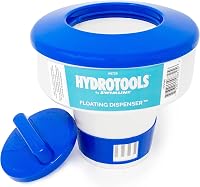
Tablets may involve a floater or feeder, and those methods aren’t right for every tub. The XtremeClear directions mention use in a floater, feeder or skimmer basket, but check your spa manual before using tablets in your setup.
Which system gives you more control?
Direct dosing gives you control over each addition, while a salt system automates chlorine generation through its compatible equipment. Choose based on which routine you can follow reliably.
Direct dosing makes each sanitizer addition a deliberate step. You test, check the product directions and add an appropriate amount for your spa.
A generator changes that routine, but doesn’t make water care automatic. You need to keep the system operating as directed and check the water rather than assuming it is balanced.
Think about the work you’ll actually keep up with. If measuring and adding sanitizer suits your schedule, direct dosing is straightforward.
If you’d rather have equipment generate chlorine, a compatible saltwater system may be a better fit.
Which approach needs more routine attention?
Both systems require testing and attention; the difference is whether you manage chlorine additions directly or maintain a generator too. Follow the specific instructions for your tub and sanitizer.
A direct-dosing routine requires you to have the right product on hand and add it when needed. Granules and tablets have different formats and use directions, so don’t treat them as interchangeable.
A saltwater system adds equipment care to the picture. Its instructions will explain the operating checks and maintenance steps for that generator and hot tub.
Other water-care products may support either routine without acting as sanitizer. AquaDoc 3 in 1 Hot Tub Weekly Care is designed to work alongside chlorine, bromine and saltwater systems, and its directions call for continued use of your regular sanitizer.
Can you use shock with either system?
Some shock products are designed to work alongside a chlorine routine or a saltwater system, but shock doesn’t replace sanitizer. Confirm compatibility and follow directions for your exact tub.
AquaJoyer Non-Chlorine Spa Shock is a chlorine-free treatment described as compatible with chlorine or bromine routines and saltwater systems. Its role is different from adding chlorine directly or generating it from salt.
The product information notes that some test kits may temporarily show a false higher chlorine reading after use. If that happens, retest later or use an MPS-compatible test method as directed.
For a broader look at water-care options, compare saltwater hot tub chemicals and check the labels against your system. A product being saltwater-safe doesn’t mean it replaces the sanitizer.
What should you check before choosing?
Start with the hot tub manual, then compare the setup, product compatibility and routine each option requires. Don’t choose a sanitizer solely because the name sounds simpler.
Check these points before you buy:
- System compatibility: Confirm whether the tub supports a salt chlorine generator and which direct-dosing products it allows.
- Routine: Decide whether you’d rather manage direct additions or maintain a generator as well as test the water.
- Water testing: Make sure you can follow the testing and adjustment steps for the system you choose.
- Equipment and supplies: Consider the generator, salt and other accessories a saltwater setup may call for, or the chlorine products your direct-dosing routine needs.
- Instructions: Follow the tub, generator and chemical directions. Don’t mix products or improvise a dosing method.
A hot tub start-up with bromine follows a different sanitizer path, so use that guide only if your spa supports bromine. If you’re planning a covered outdoor setup, our hot tub gazebo guide can help you think through shelter and access.
Which hot tub system should you choose?
Choose saltwater if you want a compatible generator to produce chlorine; choose direct dosing if you prefer adding chlorine products yourself. In either case, follow your spa’s manual and test the water regularly.
If you’re weighing more than water care, our Sauna vs Hot Tub: Dry Heat or Warm Water? comparison can help you decide which kind of home setup suits your space. For saltwater, weigh generator upkeep against the direct dosing routine you’d otherwise follow.
Frequently asked questions
Does a saltwater hot tub use chlorine?
Yes. A saltwater hot tub typically uses a system that generates chlorine from salt in the water.
You still need to check sanitizer levels and follow the tub and system instructions, because saltwater describes how chlorine is produced, not a sanitizer-free way to maintain water.
Is a saltwater hot tub easier to maintain?
It can reduce the need to add chlorine manually, but it still needs routine water testing and care. System settings and water balance matter.
The equipment's instructions matter too.
Direct dosing may suit you better if you prefer to choose and add sanitizer yourself.
Can you add chlorine to a saltwater hot tub?
Some saltwater hot tub owners may need to adjust sanitizer, but use only a method and product approved for your exact system. Check the manual and test the water before adding anything, since a generator and direct dosing together can affect sanitizer levels.
Can non-chlorine shock replace sanitizer?
No. Non-chlorine shock can support water care, but it does not replace the sanitizer in a chlorine or bromine program.
Keep using the sanitizer your hot tub system requires.
Follow the shock product's directions for dosing and circulation.
Which hot tub system should a beginner choose?
Choose the system you can monitor and maintain consistently. Saltwater may suit you if you want chlorine generation built into the setup.
Direct dosing may suit you if you want to add sanitizer yourself.
Read the hot tub manual before choosing chemicals or equipment.