Wood Burning vs Electric Sauna: Which Should You Choose? (November 2026)
Choose a wood-burning sauna for fire-based heat and an electric sauna for simpler control and setup. Your best option depends on fuel storage, electrical access, ventilation and how much routine work you want.
On this page (8 sections)
- Wood burning vs electric sauna: which is easier to install?
- Which sauna gives you better heat control?
- How do fuel handling and daily use compare?
- Which sauna needs more routine upkeep?
- Which option fits a small home?
- What should you choose for an outdoor sauna?
- What are the main trade-offs?
- Wood burning vs electric sauna: what is the final choice?
Choose a wood-burning sauna for live-fire heat and an electric sauna for easier control and routine use. Fuel handling, installation and upkeep matter more than the heat source alone in this comparison.
A wood-burning sauna needs firewood, a stove, a chimney and careful ventilation planning. An electric sauna needs a suitable power connection, heater clearances and controls that match the cabin.
Those basic needs explain why the two options feel different in daily use. Wood heat asks you to build and tend a fire before a session can start, while electric heat asks you to plan the outlet and clearances before the first session begins.
An indoor room may suit electric heat because there is no chimney to route through the roof or wall. An outdoor structure may suit wood heat because the stove, flue and fuel can stay outside the living space.
The right choice also depends on whether you want a fixed sauna, an infrared cabin or a portable steam setup. A fixed cabin stays in one place and needs room, door access and a suitable floor.
An infrared cabin is still fixed, but it heats the body directly at lower temperatures than a traditional heater. A portable steam tent can move between rooms and fold away when not in use.
The products below show how those paths fit different home routines. Read them with your space, power access and outdoor layout in mind.
A small indoor room may favour a compact electric cabin or a portable tent over a stove and chimney. A larger outdoor area may favour wood heat if dry fuel storage and safe clearances are easy to provide.
Think about how often you will use the sauna. Frequent short sessions often suit electric control because startup is predictable, while less frequent sessions may suit wood heat if you enjoy the fire process and have time to tend it.
Your tolerance for upkeep matters as much as heat style. Wood heat brings ash, smoke, chimney checks and fuel handling, while electric heat brings electrical checks, cabin cleaning and heater clearance.
Portable steam brings tent setup, steamer care and dry storage. The better choice is the one whose install, controls and care tasks match the room you have.
 Best for portable steam sessions
X-Vcak Upgraded Portable Sauna for Home,Relaxation
 Best for controlled indoor heat
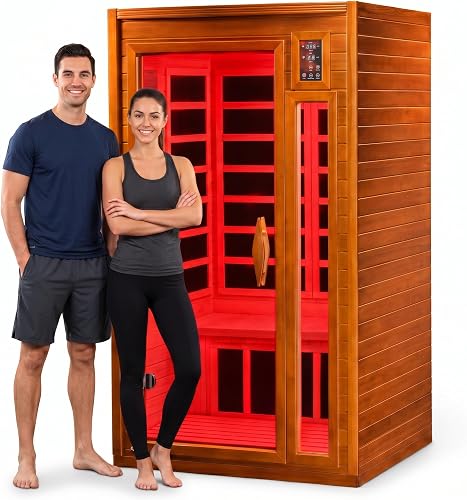
Dynamic Saunas Barcelona 1-2 Person Infrared Sauna
Wood burning vs electric sauna: which is easier to install?
Electric saunas are usually easier to plan because they avoid firewood storage and chimney work. A wood-burning sauna can still be a strong choice outdoors, but its stove and flue need more careful placement.
Electric installation is not automatically simple. You need to confirm the heater's voltage, amperage, outlet type, clearances and local requirements before choosing a cabin.
The Dynamic Saunas Barcelona 1-2 Person Infrared Sauna uses a standard 15-amp, 120-volt plug according to its product details. Its indoor cabin assembles in about one hour, and it is designed for a 1- to 2-person setup.
That makes the Barcelona a practical match for an indoor room, office wellness space or another suitable area. It is still important to measure the route, confirm the floor can support the 250 lb unit and keep the heater area clear.
For a fixed heater, review guidance on What Is an Electric Sauna? How Plug-In Heat Works before choosing between plug-in and higher-power systems.
If the sauna will serve guests or a business, compare the added needs in this guide to a sauna heater for commercial use.
What does a wood-burning sauna need?
A wood-burning sauna needs a safe stove location, a chimney or flue path, ventilation and dry firewood. Those needs can make the build more involved, especially inside a home or near other structures.
Measure the stove clearance area before framing the room. Plan where logs will be stored, how ash will be removed and how smoke will leave the building.
A wood-burning heater also changes the rhythm of a sauna session. You start by building and tending the fire, then adjust heat by managing fuel and airflow rather than pressing a temperature button.
For an outdoor setup, our guide to an outdoor sauna with wood stove covers the main planning questions. Check local fire and building rules before buying materials or installing a flue.
Which sauna gives you better heat control?
Electric heat gives you more direct control, while wood heat gives you a fire-driven process that changes as the fuel burns. Choose the system that fits how much attention you want to give each session.
An electric heater lets you set heat and time through its controls. This suits a routine where you want the sauna ready at a predictable time.
A wood-burning heater responds to the amount of fuel, the fire's airflow and the condition of the logs. You can adjust it, but the process requires more observation.
Infrared heat is another electric option. The Barcelona uses 6 low EMF carbon PureTech infrared panels and operates up to 135°F, with a recommended comfort range of 115°F to 130°F.
That lower-temperature approach differs from a traditional sauna heater. Infrared panels heat the body directly according to the product description, while traditional electric and wood-burning heaters warm the sauna space.
If you want a traditional electric system, check the heater's approval and installation requirements with a csa approved sauna heater guide. Heater placement also matters, so review how to choose a suitable sauna heater guard for the cabin.
How do fuel handling and daily use compare?
Electric saunas remove the need to buy, carry and store firewood. Wood-burning saunas make fuel part of every session, which can be satisfying outdoors but inconvenient if storage and cleanup are limited.
Wood needs a dry storage area close enough to use without carrying logs through the house. You also need a safe place for ash and a routine for checking the stove and flue.
Electric heat works better for short, repeatable sessions. Set the control, wait for the cabin to reach its target and follow the heater's instructions for session length.
A portable steam sauna can reduce the commitment to a fixed cabin. The X-Vcak Upgraded Portable Sauna for Home,Relaxation includes a steamer, remote control, folding chair and 9 levels, and its tent can move between rooms.
That option does not recreate a wood fire or a fixed traditional cabin. It suits someone who wants home steam sessions with a folding setup that can be stored or moved when the room has another use.
Use the portable tent on a suitable surface and keep the steamer setup dry and stable. Follow the included instructions for water, controls, ventilation and safe exit.
Which sauna needs more routine upkeep?
Wood-burning saunas need more maintenance because combustion creates ash, smoke and chimney concerns. Electric saunas still need cleaning and inspection, but their routine is usually more focused on the cabin and electrical components.
For a wood-burning system, keep the firebox and ash area clean according to the stove instructions. Inspect the chimney and flue on the schedule required for your installation and local rules.
Look for smoke leaks, damaged parts or blocked ventilation before using the sauna. Never treat a clean-looking cabin as proof that the stove system is safe.
For an electric cabin, wipe interior surfaces with the cleaning method approved for the materials. Keep water away from electrical controls and inspect cords, plugs and visible heater components for damage.
The Barcelona includes LED controls, Bluetooth, an MP3 Aux input and built-in speakers with pre-amp. These features add convenience, but they do not replace heater inspections or safe electrical use.
A portable steam tent needs a different care routine. Empty and dry the steamer and tent as directed, and allow damp surfaces to dry before folding the unit for storage.
Which option fits a small home?
An electric or portable sauna usually fits a small home more easily than a wood-burning sauna. A wood stove needs space for clearances, fuel handling and flue routing beyond the sauna's footprint.
The Barcelona is designed for 1 to 2 people and has interior dimensions of 36 x 32 x 67 inches. Measure ceiling height, doorways and floor space before planning the installation.
The X-Vcak portable sauna can move to a room, living room, bathroom or another suitable area. Its folding chair and transparent zippered window support seated use and easier airflow during a session.
A wood-burning sauna may work best as a separate outdoor structure. That layout can simplify indoor smoke concerns, but it still requires safe stove, chimney and fire-clearance planning.
For more help deciding between a ready-made cabin and a custom structure, compare the trade-offs in build or buy a sauna. You can also compare another fuel choice in our gas vs electric sauna guide.
What should you choose for an outdoor sauna?
Choose wood-burning for an outdoor sauna when you want fire-based heat and can handle fuel and chimney work. Choose electric outdoors only when the heater, enclosure, power supply and weather protection are approved for that location.
Outdoor placement creates extra concerns around moisture, wiring, freeze conditions and access. Do not assume an indoor sauna heater can move to a covered patio or shed.
A wood-burning setup can make sense when firewood is easy to store and you want the stove to be part of the experience. It is a poor fit if you cannot maintain safe clearances or inspect the flue.
The JossaColar Wood Stove Fan Heat Powered Fireplace Fan is an accessory for wood-burning stoves, log burners and fireplaces. It has 150 CFM airflow, 6 aluminum blades and a magnetic thermometer, and it operates without electricity or batteries.
Place the fan on a level, stable hot surface and keep it away from direct flames. It starts at about 176°F, and its heat-powered operation helps move warm air around a room, but it is not a sauna heater.
What are the main trade-offs?
Wood-burning heat gives you a fire-centered experience but adds fuel, ventilation and ash work. Electric heat gives you simpler control and fewer combustion tasks, but it depends on the correct electrical setup and may feel less traditional.
Choose wood-burning if you:
- Have a suitable outdoor location.
- Can store dry firewood safely.
- Are prepared to manage ash and chimney care.
- Want fire and changing heat to be part of the session.
Choose electric if you:
- Want predictable startup and temperature control.
- Have a suitable outlet or planned electrical installation.
- Prefer less routine cleanup.
- Want an indoor cabin or infrared option.
Choose portable steam if you want a movable home setup rather than a permanent room. The X-Vcak's steamer, remote control, folding chair and 9 levels make it the most flexible of these 3 products, while the Barcelona is the more structured indoor cabin.
Wood burning vs electric sauna: what is the final choice?
Pick a wood-burning sauna for outdoor fire-based sessions, and pick an electric sauna for easier control and regular indoor use. If neither fixed option fits your room, a portable steam sauna can provide a simpler home format.
Start with installation limits rather than heat style. Confirm fuel storage, chimney routing, electrical access, heater clearances and cleaning tasks first.
Start with the land and the room, not the heater. An indoor plan needs a clear floor area, enough ceiling height and a route for delivery and assembly.
An outdoor plan needs space for the stove, the flue, the log store and safe clearance around hot parts. A wood-burning sauna suits you when that outdoor space is genuinely available.
It also suits you when dry firewood can stay close without blocking paths or living areas. You must be willing to remove and store ash safely after each session and check the stove, flue and ventilation regularly.
An electric sauna suits you when you want heat without building a fire. It suits you when the cabin can sit indoors on a suitable surface with the heater area kept clear.
It also suits you when the outlet, voltage and amperage match the heater instructions for the exact model. The Barcelona shows one electric path because its product details list a standard 15-amp, 120-volt plug and a 1- to 2-person interior.
That plug-in setup can be easier to plan than a stove and chimney, but measure first. Check doorways, ceiling height and floor strength before you commit to a fixed cabin.
A portable steam sauna suits you when neither fixed option fits the room. The X-Vcak tent can move between rooms and fold for storage, which helps when space has more than one use.
That flexibility comes with a trade-off because a tent is not a fixed traditional cabin and it does not provide wood-fire heat. Choose it when movable home steam sessions matter more than a permanent structure.
For a traditional outdoor plan, start with the outdoor sauna with wood stove guide. For a controlled indoor setup, review [What Is an Electric Sauna?
How Plug-In Heat Works](/what-is-an-electric-sauna/) before selecting the heater and cabin.
Use those guides to check the rules, clearances and power needs for your address. Then compare the products again with those limits in place.
A wood-burning sauna wins when fire, outdoor placement and fuel work are part of the appeal. An electric sauna wins when predictable control and indoor routine use matter more, and a portable steam sauna wins when space is tight and flexibility matters most.
Frequently asked questions
Is a wood-burning or electric sauna better?
An electric sauna is better for simple heat control, predictable startup and easier indoor planning. A wood-burning sauna suits you better if you want a live fire, have safe fuel storage and can manage a chimney, ventilation and regular ash cleanup.
Room layout and local installation rules should decide the final choice.
Does a wood-burning sauna get hotter than an electric sauna?
A wood-burning sauna can create strong traditional heat, but the final temperature depends on the heater, cabin, fuel and ventilation. An electric sauna offers a set control range based on its heater.
The Dynamic Barcelona infrared sauna operates up to 135°F, so compare the exact heater type rather than assuming every electric sauna reaches the same temperature.
Is an electric sauna easier to maintain?
Electric saunas usually need less routine work because they do not burn wood or create ash. You still need to clean the cabin, inspect the heater area and follow electrical safety instructions.
A wood-burning sauna also needs firebox and chimney care, safe ash handling and regular checks for smoke or ventilation problems.
Can you use a wood-burning sauna indoors?
Use a wood-burning sauna indoors only when the full installation meets local fire, chimney and ventilation requirements. A wood stove needs safe clearances and a suitable flue.
An electric sauna may be simpler indoors, but you still need to confirm the room, outlet, heater clearance and installation instructions for the exact model.