Hemlock vs Cedar Sauna: Which Wood Should You Choose? (November 2026)
Choose cedar if you want a pronounced wood scent; choose hemlock if you prefer a mild scent and a smooth, simple finish. Your room, wood preference and care routine matter more than a single “best” choice.
On this page (9 sections)
- Hemlock vs Cedar Sauna: Which Wood Should You Choose?
- Hemlock vs cedar sauna: what is the main difference?
- Which sauna wood is better for scent?
- How do the woods compare for upkeep?
- What should you consider for an outdoor sauna?
- Do heater type and cabin style affect your choice?
- Which products let you compare cedar and hemlock?
- Should you build or buy a hemlock or cedar sauna?
- How do you choose between hemlock and cedar?
Hemlock vs Cedar Sauna: Which Wood Should You Choose?
Choose cedar if you want a pronounced wood scent; choose hemlock if you prefer a milder scent and a smooth, simple finish. In a hemlock vs cedar sauna, the right choice depends on your scent preference, cabin design and upkeep routine.
Cedar is known for its aromatic character, while Canadian hemlock is often chosen for its smooth surface and quieter appearance. Neither wood is automatically better for every indoor sauna.
This comparison focuses on the wood itself. Heater type, cabin size, ventilation and the maker's care instructions also shape your experience.
 Best for portable steam sessions
X-Vcak Upgraded Portable Sauna for Home,Relaxation
 Best for hemlock back support
Dynamic Saunas Canadian Hemlock S-Shaped Sauna Backrest
Hemlock vs cedar sauna: what is the main difference?
Cedar tends to bring more natural aroma; hemlock tends to keep the wood character more subtle. Think about how you want the room to smell and look during regular sessions.
Cedar's scent can be part of the sauna experience, especially in a wood cabin. If you are sensitive to fragrance or want a less noticeable aroma, hemlock may suit you better.
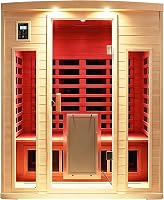
Hemlock has a smooth, natural finish that works well in indoor cabins.
For a closer look at why wood is used in sauna rooms, read Why Are Saunas Made of Wood? Heat and Comfort.
Cedar vs hemlock sauna: how do they look and feel?
Cedar often has visible color variation and a distinct grain, while hemlock generally gives a lighter, more uniform look. The exact appearance varies between boards and cabins.
The SALUSHEAT red cedar cabin notes that natural fragrance and color can differ in appearance. The OUTEXER cabin uses Canadian hemlock, with a natural wood finish.
Don't choose from species names alone if the appearance matters. Ask to see photos of the exact cabin or samples, since natural wood can vary.
Which sauna wood is better for scent?
Choose cedar for a more noticeable natural wood aroma and hemlock for a more restrained scent. If you can, smell a sample before buying a cabin, since scent preferences are personal.
A cedar aroma may feel like a defining part of the room to some people. Others may prefer a calmer, less wood-forward space, especially if the sauna sits near a bedroom or shared living area.
Cedar types differ, so the name alone won't tell you exactly how a cabin will smell. Our guide to what kind of cedar for sauna explains how cedar choices can vary.
Is hemlock or cedar better if you dislike strong scents?
Hemlock is often the safer starting point if you want less aroma from the wood. It still has a natural wood character, so don't assume it will be completely scent-free.
If possible, visit a showroom or request a sample before buying. The aroma of a finished cabin can differ from a small fresh-cut piece, and your response may change after repeated sessions.
How do the woods compare for upkeep?
Follow the cabin's care instructions, because routine cleaning and moisture control matter more than assuming one species needs no care. Wipe surfaces as directed and keep the room ventilated after use.
Avoid stain, oil or other finishes unless the sauna maker specifically approves them for the cabin. An unsuitable coating can affect the surface and the way it handles heat.
Cedar and hemlock can both show wear with use. Keep towels between your skin and the bench when advised, and clean sweat promptly using the method in the manual.
For wall and ceiling choices, compare best sauna wood panels before replacing or adding boards. Panel suitability and installation matter alongside species.
What should you consider for an outdoor sauna?
For an outdoor cabin, choose wood and construction made for the location and follow the builder's weather-care instructions. Indoor and outdoor exposure create different demands, so don't assume a wood's indoor performance settles the question.
Rain, sun and changing temperatures can affect the exterior. Look at the whole cabin design, drainage, roof and finish guidance rather than choosing by scent alone.
Our guide to the best wood for outdoor sauna covers choices for exterior use. If you're pairing a sauna with a plunge, see how to plan an outdoor sauna and cold plunge combo.
Do heater type and cabin style affect your choice?
Yes, match the wood to the cabin and heater system you plan to use. A traditional wood-fired room and an infrared cabin have different layouts and components, so compare complete designs.
The SALUSHEAT red cedar cabin and OUTEXER hemlock cabin are both indoor infrared options. Their wood is only one part of the decision; compare dimensions, seat layout, heater details and electrical requirements for your space.
If you're deciding between heater types, read wood burning vs electric sauna for a separate comparison. For an electric model with app-based controls, our guide to an electric sauna heater with wifi control covers what to check.
Which products let you compare cedar and hemlock?
The SALUSHEAT cabin is the cedar option here, while the OUTEXER cabin is the hemlock option. Compare their size and heating details alongside the wood.
A full cabin may be more than you need if you're still deciding whether a sauna belongs in your home. The X-Vcak folding steam tent offers a portable steam option without a permanent wood cabin.
If you already have a compatible infrared sauna, the Dynamic Saunas hemlock backrests provide a small way to add a hemlock contact surface without replacing the cabin.
Should you build or buy a hemlock or cedar sauna?
Buy a finished cabin if you want a defined room and included heater system; consider building if you need a custom size or layout. Check the materials and installation requirements either way.
A finished cabin can make it easier to compare wood, seat space and heater features as one package. Confirm that the complete unit fits through your route into the home and in its final location.
Building gives you more control over dimensions and panel choices, but it requires careful planning for ventilation, electrical work and heat-rated materials. Use our build or buy a sauna guide to weigh the work and cost factors.
How do you choose between hemlock and cedar?
Pick cedar if aroma and distinctive wood character are priorities; pick hemlock if you want a smoother, subtler wood presence. Then confirm the cabin fits your room, heater preference and care routine.
Choose cedar when you welcome a recognizable natural scent and like the variation that comes with wood. Choose hemlock when you prefer a quieter finish or want a less noticeable aroma.
For the hemlock vs cedar sauna decision, let your scent preference lead, then compare complete cabin designs and instructions. A wood choice works best when the room and routine suit you too.
Frequently asked questions
Is hemlock or cedar better for a sauna?
Cedar suits you if you want a noticeable wood aroma, while hemlock is a good choice if you prefer a mild scent and a smooth surface. Compare the exact cabin's construction, size, heater type and care instructions too, since wood species alone doesn't determine how well a sauna fits your home.
Does cedar smell stronger than hemlock in a sauna?
Cedar generally has a more noticeable natural aroma than hemlock. The strength can vary with the wood and the room, so try to see or smell a sample if scent matters to you before choosing a cabin.
Does hemlock need less sauna maintenance than cedar?
Neither wood should be treated as maintenance-free. Follow the cabin maker's care instructions, wipe moisture as directed and avoid applying finishes unless the manual permits them.
Routine cleaning and ventilation matter whichever wood you choose.
Can you mix hemlock and cedar in a sauna?
You can compare cabins and panels that use different woods, but use materials made for sauna conditions and follow the builder's instructions. If you are building or replacing panels, check that the materials suit the heat, moisture and installation method in your sauna.