What Is Hot Tub Defoamer?
Hot tub defoamer is a foam-control liquid that quickly reduces surface bubbles without replacing proper water care. Use it as a short-term aid while you check sanitizer, water balance, filters, and the spa itself.
On this page (8 sections)
- What is hot tub defoamer used for?
- Why does hot tub water foam?
- How should you use hot tub defoamer?
- Can a floater help prevent foam?
- Should you use defoamer before or after cleaning?
- Is hot tub foam a water-safety warning?
- How do you stop hot tub foam from returning?
- What should you remember about hot tub defoamer?
Hot tub defoamer is a foam-control product that reduces visible bubbles on the water surface. It can improve the look of a spa quickly, but it does not sanitize water, balance pH, remove buildup, or replace cleaning.
Foam usually points to something in the water that needs attention. Body oils, lotions, detergent residue, low sanitizer, and trapped debris can all make bubbles last longer when the jets add air.
Think of the foam as a surface sign, not the full story of what is happening below it. The same bubbles that look cloudy or untidy can also make it harder to judge whether the water is clear and well cared for.
That is why defoamer works best as part of a wider routine. You still need to test the water, keep the filter clean, and follow the sanitizer steps for your spa.
A quick collapse of foam can help when you want the spa to look presentable before a soak. It gives you a clearer surface while you work out whether residue, low sanitizer, or old water is the real issue.
It is not a fix for water that has been left too long between changes. If the spa smells off, feels slimy, or foams again soon after dosing, cleaning or fresh water may be a better next step.
Use defoamer with care and keep your expectations in check. It can tidy the surface for a short time, but good water care is what keeps foam from coming back.
What is hot tub defoamer used for?
Hot tub defoamer is used to collapse foam temporarily while you investigate the water-care problem behind it. It is useful when you need a quick surface correction before guests use the spa, but it should not become the only response to recurring foam.
Follow the container directions for the amount and placement. More product is not automatically better, and overuse can make later water care harder to assess.
Defoamer does not kill bacteria or replace chlorine or bromine. For a broader chemical routine, see our guide to the best hot tub chemicals to use.
It suits owners who want a presentable surface in a short space of time. It suits you less if you are hoping to skip testing, cleaning the filter, or changing old water.
Add it only as directed and let the jets circulate it through the spa. Then pause and look at what happens over the next few uses, rather than adding more straight away.
If the foam keeps returning, treat that as a prompt to check the basics. Test for sanitizer and pH, rinse swimwear well, and make sure showering before a soak is part of the routine.
Keep a simple note of when you used it and how long the water stayed clear. That habit helps you spot patterns instead of relying on bottles alone.
In short, defoamer has a narrow job and it can do that job well. Pair it with proper sanitation and cleaning, and it becomes a useful helper rather than a cover for a problem.
Why does hot tub water foam?
Hot tub water foams when surfactants or other residues combine with air from the jets. Shampoo, conditioner, body lotion, laundry detergent, cleaning products, and some swimsuits can introduce substances that make bubbles stable.
A low sanitizer level can allow organic material to build up. Poor circulation, a dirty filter, or water that has been used for a long time can also make foam more likely.
Start with a water test instead of treating the appearance alone. If sanitation is the concern, read what is hot tub shock and compare it with your normal sanitizer routine.
Does hot tub defoamer fix the cause?
No. Hot tub defoamer treats the visible foam, not the source of contamination or imbalance.
If foam returns after each use or comes back soon after dosing, check sanitizer, pH, alkalinity, filter condition, and the age of the water.
Rinse swimsuits thoroughly without fabric softener, shower before entering, and keep household cleaners away from the spa. These steps can reduce the material that jets turn into persistent foam.
If water care keeps drifting, compare the options in our guide to the best hot tub sanitizers. A sanitizer helps with routine water treatment, while defoamer remains a short-term surface aid.
How should you use hot tub defoamer?
Use hot tub defoamer only after reading its directions and checking the water-care basics. Turn off or reduce the jets if the instructions call for it, add the directed amount, and allow the product to spread through the water.
Do not guess the dose from the size of the foam patch. Record what you added so you can see whether the same problem keeps returning.
Test the water after the foam settles and before soaking. If the sanitizer or pH is outside your normal target, correct it according to your spa manual and chemical instructions.
Avoid mixing concentrated chemicals together. Add products separately and follow the required order, waiting time, and circulation guidance.
Can a floater help prevent foam?
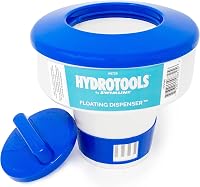
A floater can help maintain a gradual supply of chlorine or bromine tablets, but it does not prevent every cause of foam. It must be adjusted to the spa's needs through regular testing, and it should not replace a complete water-care routine.
The best hot tub chemical dispensers can help you compare tablet-holder designs. Always check whether the dispenser suits your tablet size and spa setup.
The SWIMLINE accepts 1 in and 3 in tablets, has an adjustable flow rate, and is described for chlorine or bromine tablets in pools and spas. Its low-profile floating design may suit a spa owner who wants one dispenser for different tablet sizes.
Its larger tablet range gives you flexibility if your water-care routine changes between 1 in and 3 in tablets. You still need to choose the tablet type, set the opening carefully, and test the water rather than assuming the flow is correct.
The Merkia Pool Chlorine Floater is 7.5 in and holds up to 4 pieces of 3 in chlorine or bromine tablets. It has an adjustable release control and is made from ABS plastic for indoor or outdoor pools and hot tubs.
This option suits a reader who uses 3 in tablets and wants a larger floater. Tablets are not included, so confirm that your tablet size matches before ordering.
The Aquabeacon Floating Chlorine Tablet Dispenser with UV holds 1 in bromine or chlorine tablets and has 13 adjustable settings. It is intended for small pools, spas, and hot tubs, with UV coating protection and a weighted screw-on cap.
This design fits a spa owner who uses 1 in tablets and wants more release settings. It does not solve foam caused by residue, dirty water, or a neglected filter, so treat it as a sanitation accessory rather than a defoamer.
Should you use defoamer before or after cleaning?
Use defoamer after you identify whether cleaning or water replacement is needed, not as a way to hide dirty water. If the filter is loaded with debris, clean it according to the spa manual and restore circulation before judging the result.
Persistent foam may mean the water has too much dissolved residue for a small dose of defoamer to address. In that case, partial draining or a full water change may be more useful than repeated applications.
If you need to empty the spa, follow the steps in how to pump water out of a hot tub. Turn off power as directed by the manufacturer and keep drained water away from electrical equipment and unwanted runoff areas.
Is hot tub foam a water-safety warning?
Foam is a reason to check the water, not a complete safety test by itself. Clear water can still have poor sanitizer levels, and foamy water can have several possible causes.
Do not rely on smell, appearance, or the amount of foam to judge sanitation. Use a suitable test method, maintain the sanitizer and pH ranges recommended for your spa, and follow the chemical labels.
A hot tub is different from a dry sauna because bathers share heated water. Our Sauna vs Hot Tub: Dry Heat or Warm Water? comparison explains that difference when you are deciding which type of heat experience fits your home.
For additional equipment that supports sanitizer performance, see the guide to the best hot tub ozonators. An ozonator is not a substitute for the sanitizer level your spa requires.
How do you stop hot tub foam from returning?
To reduce recurring foam, shower before soaking, rinse swimwear well, keep the filter clean, test the water, and replace old water when needed. These steps address more causes than repeated defoamer doses.
Avoid washing swimsuits with fabric softener or excess detergent. Keep lotions and hair products out of the water when possible, and do not add household soap to the spa.
Check the cover and nearby surfaces for cleaner residue. Follow the spa maker's cleaning instructions, since materials and equipment can differ.
If foam returns quickly despite good habits and correct water care, ask a qualified spa professional to check circulation, filtration, and the condition of the water. Do not continue adding larger amounts of defoamer without finding the reason.
What should you remember about hot tub defoamer?
Hot tub defoamer is a temporary foam-control tool, not a sanitizer or water-change solution. Use it when you need to reduce visible bubbles, then test the water and address residues, filtration, sanitizer, or aging water.
Choose the SWIMLINE if you need 1 in and 3 in tablet flexibility. Choose the Merkia Pool Chlorine Floater for up to 4 pieces of 3 in tablets, or choose the Aquabeacon Floating Chlorine Tablet Dispenser with UV for 1 in tablets and 13 adjustable settings.
For a complete spa decision, start with the hot tub complete buying guide and use defoamer only as one small part of regular water care.
Frequently asked questions
What is hot tub defoamer made to do?
Hot tub defoamer is made to reduce visible foam at the water surface. It does not replace sanitizer, balancing chemicals, filtration, draining, or cleaning.
Use it as a temporary foam-control step while you find and correct the cause of the bubbles.
Is hot tub defoamer the same as hot tub shock?
No. Defoamer controls surface foam, while hot tub shock is used as part of a sanitation routine.
Defoamer does not sanitize water or oxidize contaminants.
Follow your product instructions and water-care schedule for shock, sanitizer, and testing.
Why does my hot tub foam after people get in?
Hot tub foam often appears when water contains residues from body products, laundry products, or other contaminants, especially when jets add air. Low sanitizer, poor filtration, and unbalanced water can also contribute, so foam should prompt a water-care check.
Can I use a chlorine floater with hot tub defoamer?
A chlorine floater and defoamer serve different purposes. A floater holds chlorine or bromine tablets for gradual release, while defoamer targets visible foam.
Use each only as directed, and never use a floater as a substitute for testing and adjusting spa water.