What Is Hot Tub Shock?
Hot tub shock is a treatment that breaks down organic waste and helps restore clear spa water. Use it as part of routine water care, not as a replacement for regular sanitizer, testing, or balanced water.
On this page (9 sections)
- What does hot tub shock do?
- How is shock different from hot tub sanitizer?
- What are the main types of hot tub shock?
- How do you use hot tub shock safely?
- Can a chlorine floater replace hot tub shock?
- How often should you shock a hot tub?
- What should you do after shocking a hot tub?
- How do you choose a complete hot tub care routine?
- What is the simple rule for hot tub shock?
Hot tub shock is a treatment that oxidizes organic waste and helps keep spa water clear. It works alongside sanitizer, filtration, circulation, and water testing to manage the contaminants introduced by bathers and the surrounding air.
A shock treatment is not the same as a daily sanitizer dose. Sanitizer helps maintain a protective level in the water, while shock gives accumulated waste an extra treatment when routine care is no longer enough.
What does hot tub shock do?
Hot tub shock breaks down bather waste and other organic contaminants that can make water dull, cloudy, or unpleasant. Sweat, body oils, cosmetics, and debris can increase the sanitizer demand in a spa.
Shock can also help restore the sanitizer's ability to work after heavy use. It doesn't make poor water balance safe, remove every problem instantly, or replace cleaning the filter.
Your routine should still include testing, adjusting pH and alkalinity, checking sanitizer levels, rinsing the filter, and changing the water when required. The right care plan also depends on the size and type of hot tub.
How is shock different from hot tub sanitizer?
Sanitizer maintains an ongoing level of protection, while shock provides a stronger treatment for built-up contaminants. The two products have different jobs, so using shock does not mean you can stop using sanitizer.
Sanitizer is usually managed through measured doses, tablets, granules, or another system designed for continuous care. Shock is used at selected times, such as after heavy bathing, when water looks dull, or as part of a regular maintenance schedule.
A floater can help manage tablet-based sanitizer, but it is not a shock treatment. For a wider overview of best hot tub chemicals to use, match each product to its job before adding it to the water.
What are the main types of hot tub shock?
The main choices are chlorine shock and non-chlorine shock. Chlorine shock adds an oxidizing chlorine treatment, while non-chlorine shock is designed to oxidize waste without functioning as the same type of chlorine sanitizer.
Read the label before use. Confirm that the treatment is made for spas, check the amount for your water volume, and follow directions for circulation, cover position, and when bathing can resume.
When should you use chlorine shock?
Chlorine shock may suit a spa that needs a stronger chlorine-based treatment after heavy use or visible water problems. It can raise chlorine levels, so you must follow the label's waiting and testing instructions before using the hot tub.
Our guide to best hot tub chlorine shock can help you compare chlorine-based options. Never mix chlorine products together or combine chemicals in a container.
When should you use non-chlorine shock?
Non-chlorine shock may suit owners who want to oxidize waste while keeping their regular sanitizer system separate. It still needs to be used according to its label, and it doesn't replace a sanitizer that controls ongoing microbial growth.
Non-chlorine shock can be useful after bathing when the water needs oxidation but your care plan does not call for another chlorine dose. Test before and after treatment when the label or your water-care routine calls for it.
How do you use hot tub shock safely?
Test the water, calculate the dose, add the treatment as directed, and keep people out until the label says the water is ready. Use clean measuring tools and avoid guessing from the appearance of the water.
A safe routine usually looks like this:
- Test sanitizer, pH, and alkalinity before adding chemicals.
- Check the hot tub's water volume and the shock label.
- Measure only the required amount.
- Add it exactly as directed, with the circulation system operating if required.
- Keep the cover open or closed as instructed.
- Wait for the stated re-entry condition.
- Test again before bathing.
Never mix shock with sanitizer, acid, or other spa chemicals. Add chemicals to water only in the manner the label describes, and store containers away from children, heat, and moisture.
The CDC's pool and hot tub chemical safety guidance covers basic handling and water-care safety. Your shock label and hot tub manual take priority for product-specific directions.
Can a chlorine floater replace hot tub shock?
A chlorine floater can help deliver tablet sanitizer, but it cannot replace a separate shock treatment. A floater releases sanitizer over time, while shock is added for a planned oxidation step.
Who might choose SWIMLINE?
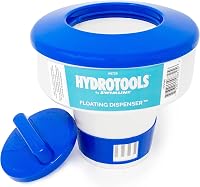
SWIMLINE suits spa owners who use 1 in or 3 in chlorine or bromine tablets and want an adjustable floating dispenser. It has capacity for multiple tablets, an adjustable flow rate, and a low-profile floating design.
Use the adjustment to avoid adding more sanitizer than your water-care plan calls for. The dispenser is made with double reinforced durable materials and is designed for pool or spa use.
This choice may fit households that already use both tablet sizes. It may be less suitable if your care system uses only granules or if you want a small dispenser designed only for 1 in tablets.
Who might choose the Merkia Pool Chlorine Floater?
The Merkia Pool Chlorine Floater suits owners who want a large 7.5 in floating dispenser with adjustable release. It holds up to 4 pieces of 3 in chlorine or bromine tablets or sticks at once.
Its durable ABS plastic body is designed to float and move around the water surface. The adjustable control ring lets you change chemical release as part of your regular sanitizer plan.
Choose it when your system uses 3 in tablets or sticks and the larger capacity matches your maintenance schedule. Skip it if you need a dispenser for 1 in tablets only.
Who might choose the Aquabeacon dispenser?
The Aquabeacon dispenser suits owners of small pools, spas, and hot tubs who use 1 in bromine or chlorine tablets. It has a UV coating for protection and 13 adjustable settings for changing tablet release.
The weighted screw-on cap helps keep tablets in place, and instructions are included. Tablets are not included, so choose the correct tablet type separately and follow its label.
This option makes sense when you want finer release adjustments for a smaller body of water. It may not fit a care plan built around 3 in tablets.
How often should you shock a hot tub?
Shock frequency depends on bather load, water condition, sanitizer type, and the treatment label. A weekly schedule may suit some routines, while heavy use can create a need for treatment sooner.
Shock after unusually heavy bathing if the label allows it and your water-care plan calls for it. Test first when possible, because cloudy water can also point to poor filtration, incorrect pH, low sanitizer, or a filter that needs cleaning.
Don't add extra shock just because water looks slightly different. Find the cause, check the test results, and follow the product directions instead of stacking treatments.
What should you do after shocking a hot tub?
Run circulation as directed, allow the treatment time to work, and test before bathing. Keep the cover and jets in the position required by the label, and don't assume clear water means the treatment is complete.
Rinse or clean the filter when your maintenance schedule calls for it. A dirty filter can limit water flow and make it harder for the spa to clear suspended debris.
If foam is your main concern, learn what is hot tub defoamer and treat it as a separate issue. Defoamer can change the appearance of bubbles, but it doesn't replace sanitation or oxidation.
How do you choose a complete hot tub care routine?
Choose shock based on your sanitizer system, tablet size, water volume, and the label's safety directions. Then pair it with regular testing, balanced water, filter care, and a sanitizer that suits your routine.
A floater can support tablet delivery, but it should not control your entire care plan. Keep the best sanitizer for hot tub options in mind when choosing the product that maintains your regular sanitizer level.
Cover care also affects water quality. Clean and inspect your hot tub cover care routine so debris and waterlogging don't add avoidable problems.
If circulation is weak, check the pump and filter before adding more chemicals. Our guide to best hot tub pumps can help when a replacement pump becomes part of the repair decision.
Some people compare heat therapy choices before buying equipment. Our Sauna vs Hot Tub: Dry Heat or Warm Water? guide explains how the two experiences differ.
What is the simple rule for hot tub shock?
Use hot tub shock to oxidize built-up waste, and use sanitizer to maintain ongoing water protection. Pick chlorine shock when your system calls for a chlorine-based treatment, or choose non-chlorine shock when it fits your care plan and label directions.
Use a floater only for the tablet sanitizer it is designed to hold. SWIMLINE fits 1 in and 3 in tablets, Merkia fits up to 4 pieces of 3 in tablets or sticks, and Aquabeacon fits 1 in tablets for small pools, spas, and hot tubs.
Frequently asked questions
What is hot tub shock used for?
Hot tub shock helps break down organic waste such as body oils, sweat, and other contaminants that build up in spa water. It supports routine sanitation, but it does not replace a regular sanitizer, water testing, filtration, or proper pH and alkalinity care.
Can you use chlorine shock in a hot tub?
Yes, chlorine shock can be used in a hot tub when the product label allows spa use and you follow its dosing and re-entry instructions. Keep the cover open as directed, run the circulation system as instructed, and test the water before using the spa again.
Is non-chlorine shock better for a hot tub?
Non-chlorine shock may suit people who want an oxidizing treatment without adding the same type of chlorine residual as chlorine shock. It still does not replace sanitizer, and the right choice depends on your water-care system, label directions, and test results.
How often should you shock a hot tub?
Shock frequency depends on bather load, water condition, sanitizer type, and the product label. Many owners use shock as part of weekly care or after heavy use, but test the water and follow the instructions for your specific hot tub and treatment.